
Traveling with a fishing rod can feel tricky at first. You worry about breaking your gear, handling airport security, or packing everything right. But with a few smart steps, your rod can go anywhere you do—whether you’re flying, driving, or hiking to your favorite lake.
This guide gives clear advice, practical examples, and solutions for common problems. You’ll learn how to protect your rod, pack it safely, and avoid mistakes most beginners make. Let’s make your next fishing trip easy and stress-free.
Choosing The Right Fishing Rod For Travel
The first big decision is picking the best rod for your journey. Not all rods are ideal for travel, and using the wrong one can cause headaches.
Types Of Travel-friendly Fishing Rods
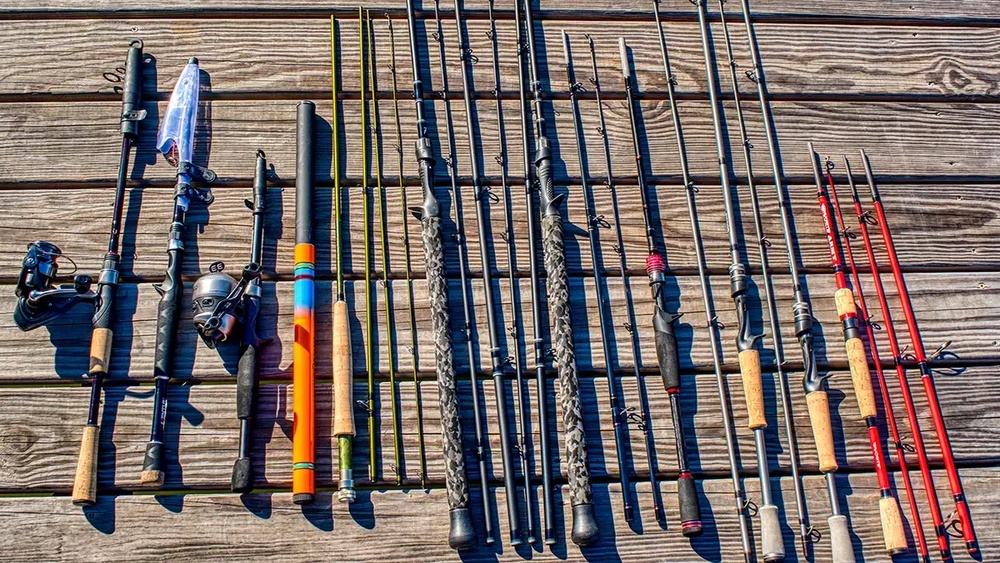
Many anglers use telescopic rods or multi-piece rods because they’re compact and easy to pack. Telescopic rods collapse to a small size (sometimes less than 24 inches), while multi-piece rods break into several sections.
| Rod Type | Collapsed Length | Ease of Packing | Durability |
|---|---|---|---|
| Telescopic | 20-30 inches | Very easy | Moderate |
| Multi-piece | 24-36 inches | Easy | High |
| One-piece | 60-90 inches | Difficult | Very high |
Multi-piece rods are best for both performance and travel. They fit in most suitcases and don’t sacrifice strength. Telescopic rods are good for casual fishing or backpacking, but may feel less sturdy.
What To Look For
- Length when packed: Under 36 inches fits most bags.
- Weight: Lighter rods are easier to carry, but make sure they’re strong enough for your target fish.
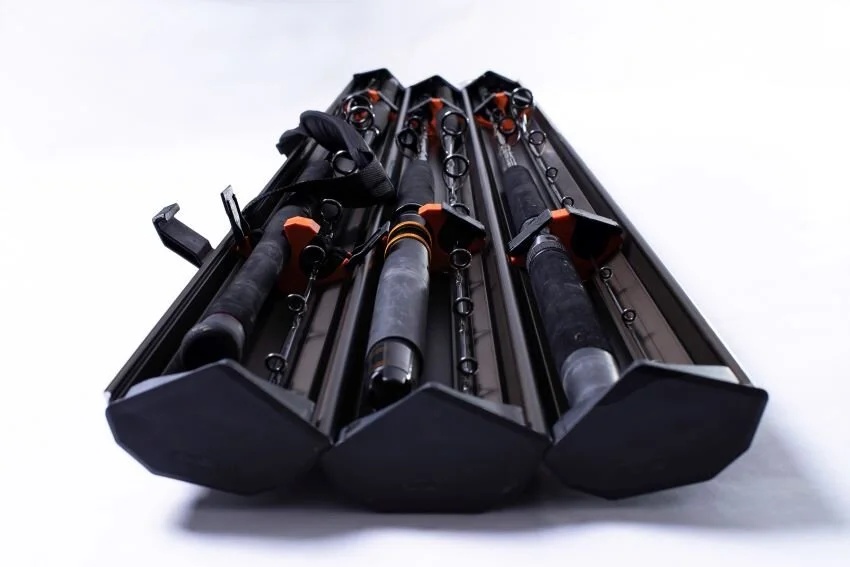
- Rod case: Buy a sturdy, padded case. Cheap cases can’t protect against drops or impacts.
Non-obvious tip: Many airlines treat fishing rods as sports equipment, not regular luggage. If your rod is short enough, it may count as a carry-on.
Packing Your Fishing Rod: Step-by-step
Packing your rod the right way is the best protection. Even the strongest rod can break if packed poorly.
- Clean and dry your rod before packing. Moisture can cause corrosion, especially if you fish in saltwater.
- Disassemble the rod into sections. Remove the reel and any accessories.
- Wrap each section with a soft cloth or bubble wrap. Pay extra attention to the tip—it’s the most fragile part.
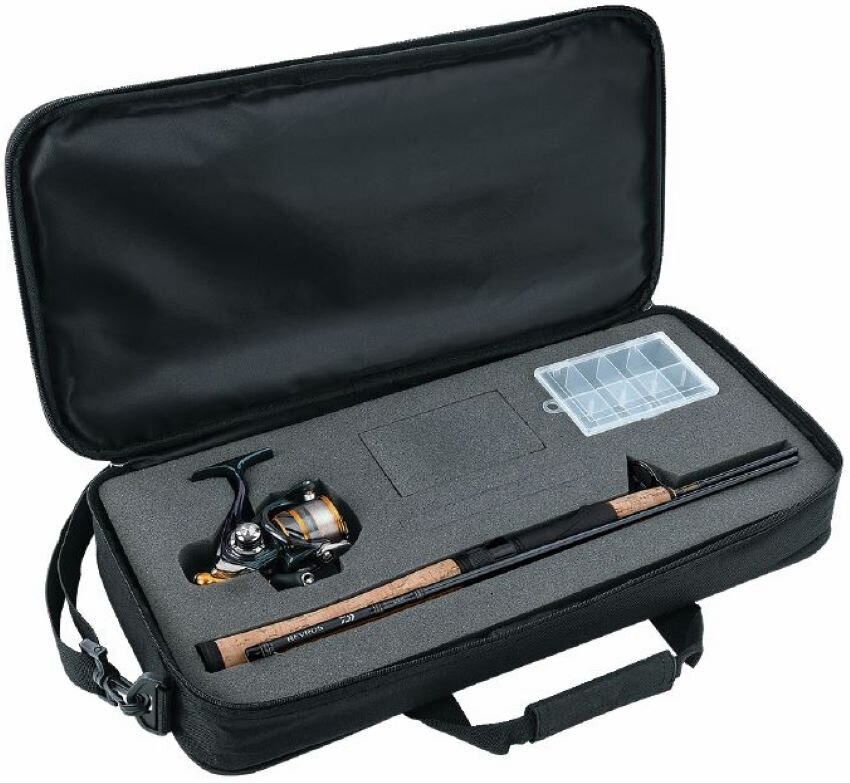
- Use a rod tube or hard case. Place wrapped sections inside. Make sure they don’t move or rattle.
- Add extra padding. If your rod tube has empty space, fill it with socks or foam.
- Pack the reel separately in a padded bag. Don’t leave it attached to the rod.
- Label your case with your name and phone number.
Packing Fishing Rods For Different Transport Modes
| Transport | Packing Advice | Risk Level |
|---|---|---|
| Airplane | Hard case, bubble wrap, check airline policy | High |
| Car | Soft case or hard case, avoid direct sunlight | Medium |
| Train | Hard case, keep upright, avoid crowd | Medium |
| Backpacking | Telescopic rod, lightweight case | Low |
Non-obvious insight: For road trips, avoid leaving rods in hot cars. Heat can weaken glue joints and warp the rod.
Flying With A Fishing Rod
Airports and airplanes are the biggest challenge for fishing gear. Rules can change from one airline to another, and security checks can surprise you.
Airline Policies
Most airlines allow fishing rods as checked baggage. Some even let you carry them on if they’re short enough. Always check the airline’s website before flying.
- Maximum length: Usually 62 inches for checked items.
- Weight limit: 50 lbs is standard.
- Fees: Some airlines charge extra for sporting equipment.
TSA Guidelines show that fishing rods are allowed both in carry-on and checked bags, but sharp tackle must go in checked luggage.
Security Checks
Remove all hooks, knives, and sharp tackle from your rod case. Security staff may open your case to check for dangerous items.
Practical tip: Print your airline’s fishing gear policy and bring it to the airport. If staff question your rod, showing the policy helps.
Protecting Your Rod During Travel
A fishing rod is strong when used right, but fragile in a suitcase or cargo hold. Here’s how to keep it safe:
Hard Vs. Soft Cases
Hard cases are best for flying, long trips, or rough handling. Soft cases are lighter and good for short drives or hiking.
| Case Type | Protection Level | Weight | Best For |
|---|---|---|---|
| Hard Case | Excellent | 3-6 lbs | Air travel, checked bags |
| Soft Case | Moderate | 1-2 lbs | Car trips, backpacking |
Protecting The Rod Tip
The rod tip is the most fragile part. Always wrap it with extra padding. Some anglers use a plastic tube just for the tip. Others buy a rod sock, which covers the whole rod and prevents scratches.
Experience-based tip: Never pack rods with heavy objects like boots or books. Pressure can snap the tip.
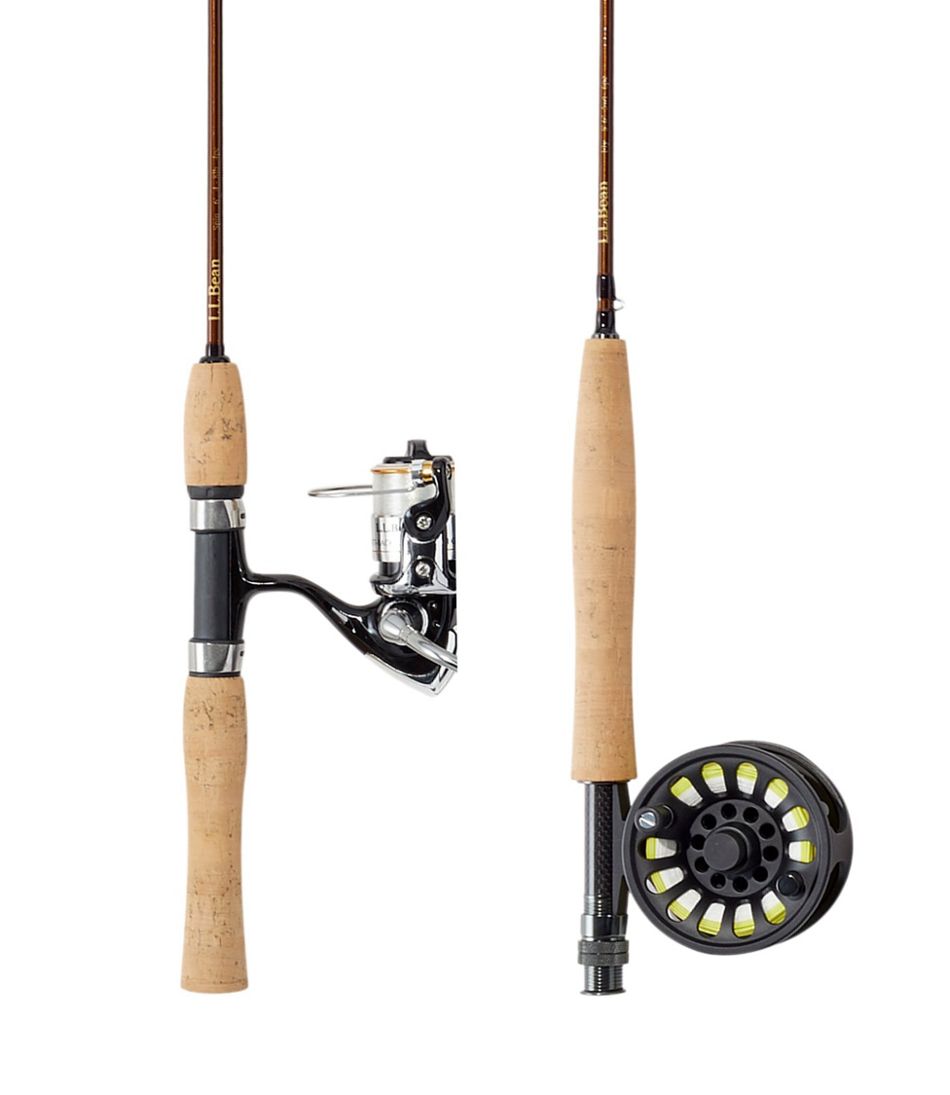
Credit: www.llbean.com
Packing Fishing Tackle And Accessories
Rod packing is only half the job. You also need to bring tackle, reels, and accessories.
- Hooks and lures: Sharp items must go in checked bags if you fly.
- Reels: Pack separately in padded cases. Remove fishing line to avoid tangles.
- Tackle box: Use a small, sturdy box. Avoid glass containers—plastic is safer.
- Line and leader: Bring extra, but keep spools in a sealed bag.
Common mistake: Beginners often pack too much. Only bring tackle you’ll use for your target fish. Extra weight can damage your rod and cause luggage fees.
Legal Issues And Permits
Different states and countries have rules about fishing. You may need permits, and some places have strict rules for carrying rods.
- Fishing licenses: Most places require a license. Buy online or at local shops.
- Import/export rules: Some countries ban certain fishing gear. Check customs rules before crossing borders.
- Protected areas: National parks or reserves may ban fishing rods or limit gear types.
Practical advice: Always carry a copy of your fishing license and any permits. Keep them in a waterproof bag.
Credit: www.halfpastfirstcast.com
Traveling With Fishing Rods Internationally
International travel adds more steps. Customs, different airline rules, and local fishing laws can surprise you.
Customs And Duties
Declare your fishing rod at customs, especially if it’s expensive. Some countries charge duty on new gear.
- Declare: If your rod is worth more than $500, declare it.
- Proof of ownership: Bring receipts or photos. Helps if questioned.
Real example: In Australia, fishing rods are allowed, but you must clean them to prevent bringing soil or insects. Dirty rods can be confiscated.
Local Laws
Check local fishing rules. Some places require special permits, or ban certain types of rods.
Fishing.org has country-specific guides for fishing rules and permits.
Common Mistakes When Traveling With Fishing Rods
Many anglers—especially beginners—make mistakes that cause lost gear, broken rods, or missed fishing days.
- Packing without a case: Even for short trips, use a proper rod case.
- Forgetting to check airline rules: Each airline has different policies.
- Leaving tackle in carry-on: Sharp items can be confiscated.
- Ignoring local laws: Fishing without a license can lead to fines.
- Overpacking: Too much tackle means heavy, hard-to-carry bags.
- Not cleaning gear: Dirt or salt can cause problems at customs.
Non-obvious insight: If you plan to buy a rod at your destination, research local brands. Some countries have excellent rods unavailable elsewhere.
Tips For Traveling Light With Fishing Gear
Traveling light saves money, time, and energy. Here’s how:
- Choose multi-purpose tackle: Use lures that work for several fish types.
- Pick a compact rod: Telescopic or 4-piece rods fit in small bags.
- Limit reels: One spinning reel covers most situations.
- Organize: Use zip bags or small containers for hooks and sinkers.
- Wearable storage: Fishing vests hold tackle and keep hands free.
Practical tip: Mailing your rod ahead (to a hotel or lodge) can be cheaper than airline fees for oversized luggage.
Storing Your Rod At Your Destination
Once you arrive, store your rod safely. Don’t leave it in a car or outside.
- Keep inside: Heat, cold, or moisture can ruin rods.
- Hang vertically: Prevents bending.
- Avoid heavy objects: Don’t stack gear on top of your rod.
Experience-based tip: If you fish multiple days, check your rod each morning for damage.
Credit: www.halfpastfirstcast.com
Frequently Asked Questions
Can I Carry A Fishing Rod On An Airplane?
Most airlines let you carry short rods as a carry-on if they fit overhead compartments. For longer rods, use a hard case and check them as baggage. Always check your airline’s rules before flying.
What’s The Best Rod For Traveling?
Multi-piece rods are best for most trips. Telescopic rods are good for backpacking but may not handle large fish. Choose a rod that packs down to under 36 inches and fits your style of fishing.
How Do I Protect My Rod From Breaking?
Use a padded rod case or hard tube. Wrap fragile parts, especially the tip, with cloth or bubble wrap. Don’t pack heavy items near your rod.
Do I Need A Fishing License When Traveling?
Yes, almost everywhere requires a fishing license. Buy online before your trip or at local shops. Always carry your license and follow local rules.
Can I Bring Fishing Hooks And Lures In My Carry-on Bag?
No. Sharp items like hooks and lures must go in checked bags for air travel. Packing them in carry-on can lead to confiscation by security.
Traveling with a fishing rod opens up new fishing spots and adventures. With careful packing, planning, and respect for local rules, your rod can go anywhere you do. Focus on protecting your gear and staying organized. Avoid common mistakes, and your fishing trip will be smooth and enjoyable.
Whether you fish a mountain stream or a tropical ocean, your rod is your passport to adventure.