
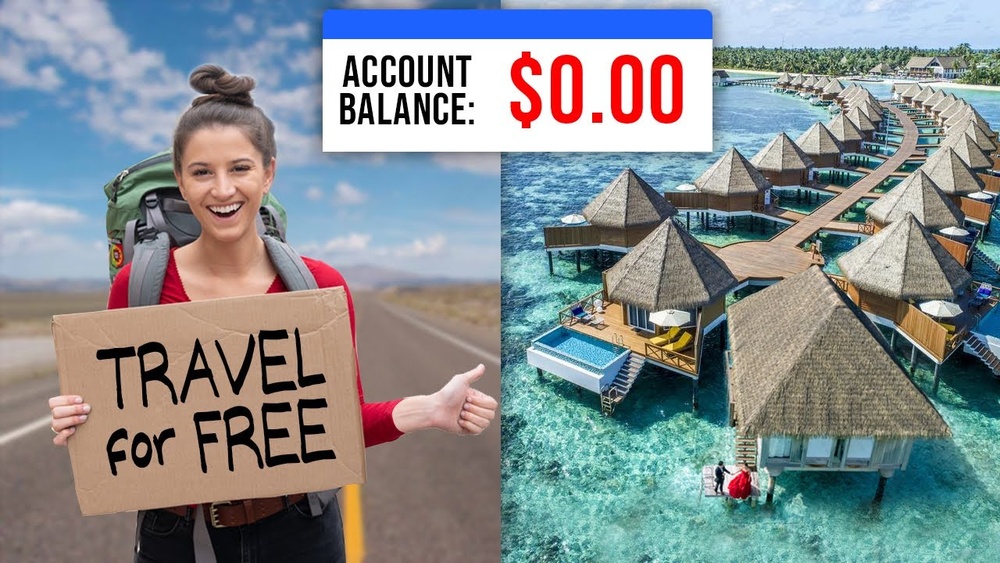
Traveling the world with little or no money sounds like a dream for many people. Imagine waking up in a new country, tasting local food, meeting new friends—all without worrying about your bank account. While it may seem impossible, thousands of travelers have found creative ways to explore the globe for free, or nearly free.
In this guide, you’ll discover practical tips, real examples, and smart strategies to help you travel the world without money. If you’re ready to trade comfort for adventure, this article shows you how to make your travel dreams real—even on a zero budget.
The Mindset Shift: From Tourist To Traveler
Most people think travel means expensive hotels, fancy restaurants, and paid tours. But if you switch your mindset from tourist to traveler, everything changes. Tourists pay for convenience; travelers find value in experience. Your goal is not luxury, but connection and discovery.
Traveling without money requires flexibility. You might sleep on couches, eat simple food, or take long bus rides. But you gain stories, friendships, and a deeper understanding of the world. If you accept discomfort and embrace uncertainty, you’ll see opportunities everywhere.
Free Accommodation: Sleeping Without Paying
Finding a place to sleep is one of the biggest expenses. Luckily, there are many ways to stay for free.
Couchsurfing And Hospitality Networks
Couchsurfing connects travelers with locals who offer a free place to sleep, often a couch or spare room. The site has over 14 million users worldwide. You don’t pay, but you’re expected to share your story, help with chores, or cook a meal.
Other networks like BeWelcome and Trustroots work similarly. Always check host profiles, read reviews, and communicate clearly.
Housesitting And Pet Sitting
Many homeowners need someone to watch their house or pets while they travel. Housesitting sites like TrustedHousesitters list thousands of opportunities worldwide. You get free accommodation in exchange for responsibility. Some assignments last weeks or even months.
Work Exchanges
You can trade your time for a bed and meals. Common platforms:
- Workaway
- WWOOF (Worldwide Opportunities on Organic Farms)
- HelpX
You might help with gardening, teaching, painting, or cooking. Work is usually 4–6 hours per day, and you get a place to stay plus food.
Sleeping Outdoors
Camping is free in many places. In countries like Norway and Sweden, the “right to roam” law allows you to camp on uncultivated land. In other countries, wild camping is less accepted, so check local rules.
Comparison: Accommodation Options
Here’s a quick overview of free accommodation methods.
| Method | Cost | Requirements | Best For |
|---|---|---|---|
| Couchsurfing | Free | Profile, references | Short stays, city visits |
| Housesitting | Free | Background check | Long stays, rural areas |
| Work Exchange | Free + meals | Work hours | Immersive experiences |
| Camping | Free | Tent, local laws | Nature lovers |

Credit: www.youtube.com
Eating For Free: Creative Food Solutions
Food is another big cost. But with resourcefulness, you can eat well for little or nothing.
Work For Meals
Many work exchanges include meals. Farms, hostels, and restaurants often feed volunteers.
Dumpster Diving And Food Rescue
In some cities, shops and bakeries throw away unsold food. Dumpster diving is legal in places like Germany and France. There are also food rescue groups that collect and share food.
Community Kitchens And Soup Kitchens
Most cities have soup kitchens or community meals, often run by churches or charities. These are open to anyone in need.
Cooking With Hosts
If you’re Couchsurfing or housesitting, offer to cook for your host. It’s a great way to share culture and get a meal.
Foraging
In rural areas, wild fruit, berries, and herbs are often free. Check local laws and be sure you know what’s safe to eat.
Comparison: Food Options
Here’s a quick look at ways to eat for free.
| Method | Location | Effort | Risk |
|---|---|---|---|
| Work Exchange | Rural/urban | Medium | Low |
| Dumpster Diving | Urban | High | Medium |
| Soup Kitchen | Urban | Low | Low |
| Foraging | Rural | Medium | High |
Getting Around: Free And Cheap Transportation
Transportation can be challenging without money, but there are clever solutions.
Hitchhiking
Hitchhiking is the classic way to travel for free. In many countries, it’s safe and common. Always carry a sign, smile, and trust your instincts.
According to Hitchwiki, hitchhiking success rates are highest in Eastern Europe and South America. In the US, it’s legal in most states, but standing on highways is not allowed.
Ride Shares And Carpooling
Websites like BlaBlaCar connect drivers with passengers. Sometimes drivers offer free rides for company or help with gas.
Walking And Cycling
If you have time, walking or cycling is free and gives you a close look at local culture. Many travelers cycle across continents with minimal costs.
Public Transport Hacks
Some cities offer free buses or trams. In places like Luxembourg, public transport is free for everyone. In other places, look for day passes, student discounts, or off-peak rates.
Volunteering For Transport
Some organizations need volunteers to deliver goods or help with events. They may cover your transport costs or offer rides.
Comparison: Transportation Choices
Let’s compare ways to move around for free or very cheap.
| Method | Cost | Distance | Safety |
|---|---|---|---|
| Hitchhiking | Free | Long | Medium |
| Ride Share | Free/cheap | Medium | High |
| Walking | Free | Short | High |
| Cycling | Free | Medium | High |
| Public Transport | Free/cheap | Medium | High |
Making Money On The Road
Even if you start with zero cash, you can earn as you go. This is a key insight many beginners miss: Traveling without money does not mean you never earn money—you just start with none.
Online Work
Many travelers work online for income. Skills like writing, teaching English, or digital marketing are in demand. Websites like Upwork and Fiverr offer remote jobs.
Street Performance And Art
Musicians, jugglers, and artists often earn by performing in public spaces. In some cities, you need a permit.
Selling Handmade Goods
Some travelers make jewelry, crafts, or art and sell them in markets or to other travelers.
Teaching And Sharing Skills
Offer to teach language, music, or sports. Hostels and communities may pay for classes.
Temporary Jobs
Pick fruit, work at festivals, or help with construction. Seasonal jobs are common in tourism areas.
Traveling Legally: Visas, Documents, And Borders
Traveling without money doesn’t mean breaking laws. Always check visa rules and stay legal.
- Visa-free countries: Some passports allow travel to over 100 countries without a visa. For example, US passport holders can visit 184 countries visa-free or with a simple visa-on-arrival.
- Schengen Zone: Allows travel between 27 European countries with one visa.
- Always carry passport, copies, and any needed documents.
Some travelers miss this: overstaying a visa can lead to fines, bans, or even jail. Plan ahead and know the rules.

Credit: www.thisamericangirl.com
Staying Safe And Healthy
Traveling without money means you may face risks: sleeping in unfamiliar places, eating unknown food, or riding with strangers. Here’s how to stay safe.
- Trust your instincts. If a situation feels wrong, leave.
- Keep your documents and a small emergency fund hidden.
- Ask locals for advice on safe areas.
- Use reliable platforms with reviews.
- Get travel insurance if possible, even for emergencies.
Most travelers find that people are helpful, but caution is smart. If you get sick or injured, seek local clinics or free health centers.
Real-life Examples And Success Stories
Thousands of people travel the world without money. Here are two inspiring examples:
- Tomislav Perko, from Croatia, spent years hitchhiking, Couchsurfing, and working for food, visiting over 40 countries. He shares his story in his TEDx talk and book.
- Benjamin Jenks walked across America with just a backpack, relying on strangers for help and documenting his journey.
A non-obvious insight: Many long-term travelers say that the less money they have, the more creative and resourceful they become. Limited funds open doors to deeper experiences.
For more real stories, see Wikipedia Backpacking.
Essential Gear For Moneyless Travel
Traveling light is important. Here’s what you need:
- Backpack: Durable and comfortable
- Sleeping bag: For camping or emergencies
- Tent: If you plan to sleep outdoors
- Water bottle: Refillable
- Basic clothes: Weather-appropriate
- Mobile phone: For maps and communication
- First aid kit: Small but useful
Don’t pack too much. The lighter you travel, the easier it is to move and accept unexpected invitations.
Common Mistakes And How To Avoid Them
Many beginners make these errors:
- Not researching visa rules: This can ruin your trip.
- Ignoring safety: Always check reviews and ask locals.
- Packing too much: Makes travel harder.
- Expecting luxury: Adjust your expectations.
- Not learning basic phrases: Communication is key.
A smart tip: Learn “thank you,” “hello,” and “help” in local languages. It opens doors and shows respect.
Credit: www.geekyexplorer.com
Frequently Asked Questions
Is It Really Possible To Travel Without Money?
Yes, but it requires flexibility, resourcefulness, and a willingness to trade work or comfort for experience. Many travelers have done it through Couchsurfing, work exchanges, hitchhiking, and earning as they go.
What Should I Do If I Run Out Of Money Completely?
Stay calm. Look for local community centers, soup kitchens, or churches. Offer to work for food or a place to sleep. Reach out to fellow travelers or locals for advice.
How Can I Stay Safe When Traveling With No Money?
Trust your instincts, use platforms with reviews, and avoid risky areas. Keep your documents secure and have an emergency contact. Ask locals for safe routes and tips.
Do I Need Travel Insurance If I Have No Money?
Travel insurance is helpful for emergencies. Some plans are affordable and cover accidents or sickness. If you can’t afford insurance, use free clinics or local health centers if needed.
Can I Travel Without Money In Expensive Countries?
Yes, but it’s more challenging. Focus on work exchanges, housesitting, and Couchsurfing. Use public transport hacks and cook your own meals. Some cities have free museums and events.
Traveling the world without money is not easy, but it’s possible and rewarding. The journey teaches you creativity, resilience, and empathy. If you’re ready to let go of comfort, open your mind, and try new things, the world is waiting—and you don’t need a big bank account to explore it.