
Traveling between London and Paris is a journey many people dream of, whether for business, vacation, or a short weekend escape. Both cities are iconic, and the route between them is one of the busiest in Europe. With several options—train, plane, bus, and even car—choosing the right method can feel overwhelming. This guide will help you decide which way fits your needs, your budget, and your travel style.
You’ll discover practical advice, real statistics, and tips that even frequent travelers miss. Let’s make your trip between London and Paris smooth, enjoyable, and stress-free.
Train: The Eurostar Experience
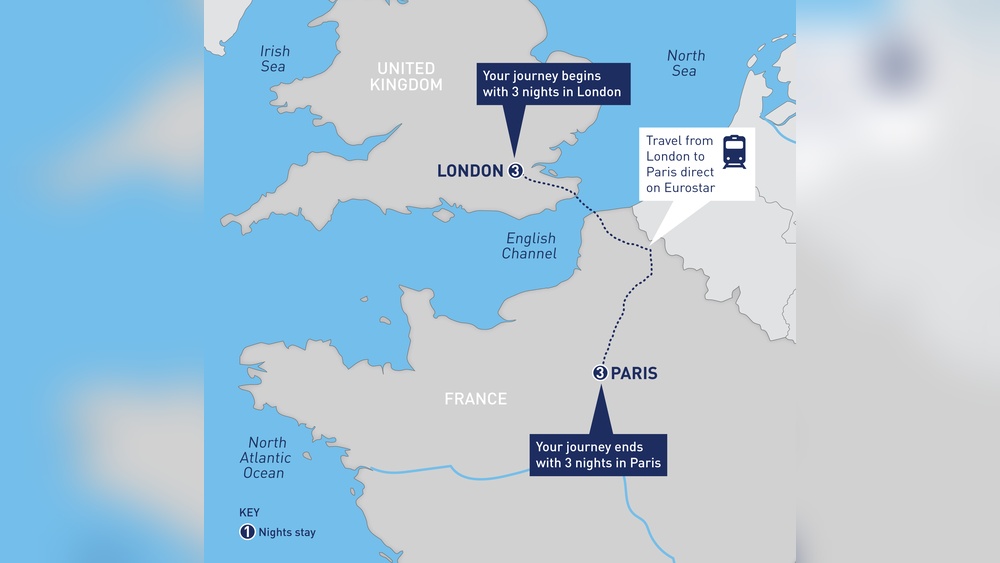
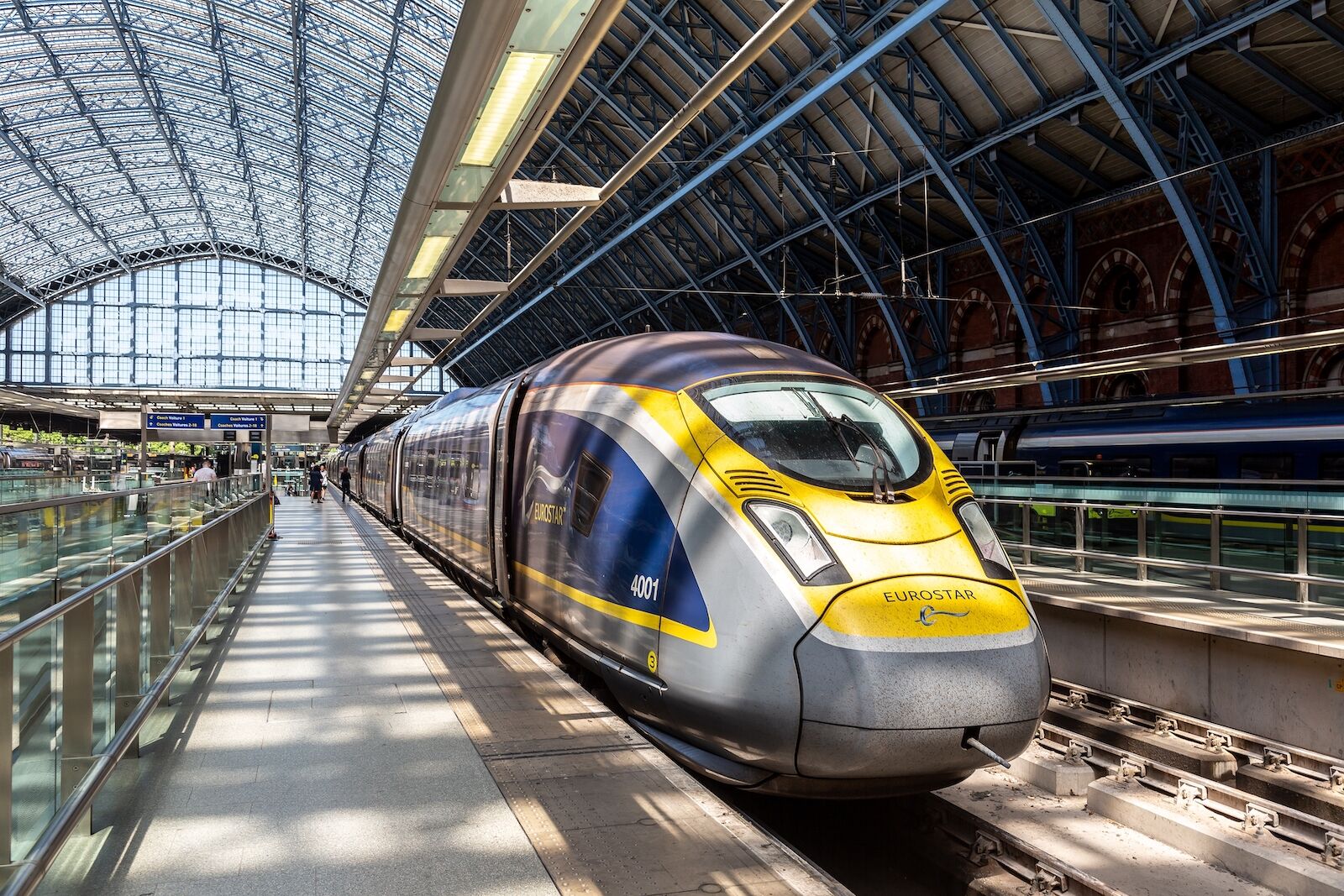
Traveling by train between London and Paris is often the most popular choice, thanks to the Eurostar service. The Eurostar is a high-speed train connecting the two cities directly.
Speed And Convenience
The Eurostar leaves from London St Pancras International and arrives at Paris Gare du Nord. The journey takes about 2 hours and 20 minutes, making it one of the fastest ways to travel. There’s no need to check in hours before departure; arriving 30–45 minutes early is usually enough.
Ticket Prices
Prices vary depending on how early you book, the time of day, and the class. Here is a quick comparison of ticket classes:
| Class | Typical Price (One-way) | Features |
|---|---|---|
| Standard | $60–$120 | Basic seat, no meal |
| Standard Premier | $120–$200 | Spacious seat, light meal |
| Business Premier | $300+ | Flexible ticket, lounge access, meal |
Booking early can save money—tickets are usually released six months ahead. Last-minute fares are often much higher.
Luggage And Comfort
Eurostar allows two bags and one carry-on per person. There’s no checked luggage, so you keep your bags with you. Trains offer free Wi-Fi, power outlets, and comfortable seating. Many travelers don’t realize you can bring snacks or drinks on board, which is useful for picky eaters or those on a budget.
Passport And Border Checks
You will clear passport control before boarding in London and after arriving in Paris. There’s no need to worry about customs unless you carry restricted items.
Insider Tips
- Weekday mornings and late evenings usually have cheaper fares.
- Try to book direct through Eurostar’s website for the best prices and flexibility.
- Seats are assigned; ask for a window seat if you want a view.
Flying: Fast But Not Always Easy
Flying is often seen as the quickest way, but the reality is more complex. Several airlines operate between London airports (Heathrow, Gatwick, Luton, Stansted, City) and Paris airports (Charles de Gaulle, Orly, Beauvais).
Flight Times
The actual flight is about 1 hour. However, you need to add extra time for security, check-in, and getting to and from airports. Most people spend 3–4 hours total from city center to city center.
Airlines And Fares
Here is a comparison of major airlines flying between London and Paris:
| Airline | Typical Fare (Economy) | Baggage Policy | Airport |
|---|---|---|---|
| British Airways | $80–$180 | 1 carry-on, checked bag extra | Heathrow / Charles de Gaulle |
| easyJet | $40–$110 | Carry-on only, checked bag extra | Gatwick / Orly |
| Air France | $90–$200 | 1 carry-on, checked bag extra | Heathrow / Charles de Gaulle |
Budget airlines like easyJet and Vueling usually have lower fares but stricter baggage rules.
Airport Transfers
Getting to the airport can cost both time and money. In London, express trains to Heathrow cost about $30 and take 15–20 minutes. In Paris, trains from Charles de Gaulle to the city center take 30–40 minutes.
Security And Customs
You need a passport for all flights. Security checks can be time-consuming, especially during peak hours. Most travelers underestimate how crowded airports can get on weekends.
Hidden Costs
- Checked luggage fees can add $30–$60 per bag.
- Airport transfers are often not included in the flight price.
- Delays are common, especially in winter or during strikes.
Bus: Budget-friendly But Slow
Traveling by bus is the cheapest way, but also the slowest. Companies like FlixBus and Ouibus operate daily routes.
Travel Time
Bus journeys take 7–9 hours, depending on traffic and stops. Buses leave from central locations in London and arrive at central Paris stations.
Ticket Prices
Bus tickets start at $25–$50 one way. Prices are usually stable, but booking early can help during holidays.
Comfort And Facilities
Buses offer free Wi-Fi, power outlets, and reclining seats. There are scheduled rest stops, but food options are limited. Bring your own snacks and water.
Who Should Take The Bus?
If you’re on a tight budget or have flexible time, buses are a good option. Overnight buses save on hotel costs, but may not be comfortable for light sleepers.
Common Mistakes
Many travelers forget to check bus station locations. Some stations are far from tourist areas. Always double-check departure and arrival points.
Driving: Flexibility And Adventure
Driving between London and Paris gives you freedom to explore small towns and countryside. The distance is about 280 miles (450 km).
Route Options
The most common route is via the Channel Tunnel (Eurotunnel) or by ferry.
| Method | Cost (Car + 2 passengers) | Travel Time | Notes |
|---|---|---|---|
| Eurotunnel | $130–$180 | 6–7 hours | Direct, fast, drive on train |
| Ferry | $110–$160 | 7–8 hours | Scenic, slower, Dover–Calais |
Renting A Car
Rental prices start at $40–$80 per day. You need a valid driver’s license and a credit card. In France, you drive on the right; in the UK, on the left. Switching can be confusing for beginners.
Tolls And Fuel
There are tolls on French highways, costing about $25–$40. Fuel for the whole trip usually costs $50–$70, depending on car type.
Practical Tips
- Watch out for speed cameras in France.
- Plan fuel stops ahead; some stations are closed at night.
- Check if your rental car can cross borders—some companies don’t allow it.
Hidden Insights
Most travelers don’t realize parking in Paris is expensive and hard to find. If you’re only visiting the city centers, public transport is easier.

Credit: www.klook.com
Comparing Travel Methods
Choosing how to travel between London and Paris depends on your priorities: speed, comfort, cost, and flexibility. Here’s a quick overview to help you decide:
| Method | Total Time | Cost (Avg) | Best For |
|---|---|---|---|
| Train (Eurostar) | 2.5–3 hours | $100–$150 | Fast, easy, city center to city center |
| Plane | 3–4 hours | $120–$180 | Frequent flyers, deals |
| Bus | 7–9 hours | $30–$60 | Budget travelers |
| Car | 6–8 hours | $150–$200 | Explorers, families |
Choosing The Right Option
Each method has strengths and weaknesses. Let’s break down who should pick which:
- Eurostar train: Best for those who want speed, comfort, and a direct route. If you dislike airports, this is ideal.
- Flights: Good for travelers who find cheap tickets or need flexibility with departure times. Useful for connecting flights.
- Bus: Suits budget travelers or those who don’t mind long journeys. Also good for those looking to save on accommodation with overnight routes.
- Driving: Perfect for families, groups, or adventurers who want to see more than just London and Paris.
Non-obvious Tips
- If you travel during school holidays, book early. Prices can double in peak times.
- Don’t forget about insurance—travel and car rental insurance are both important for peace of mind.
- For train travelers, check for deals like youth, senior, or group discounts—these are often hidden on booking sites.
Crossing Borders: Documents And Requirements
Both the UK and France require a passport. If you’re not from the EU or UK, you may need a visa. Since Brexit, UK citizens do not need a visa for short visits to France, but rules can change. Always check the latest requirements on official government sites.
Customs And Security
- You must declare items over the duty-free limit.
- Carry medicines in their original packaging with prescriptions.
- For pets, you need a pet passport and specific vaccinations.
Currency And Payments
The UK uses British Pounds (GBP), while France uses Euros (EUR). ATMs are available everywhere, but inform your bank before traveling to avoid card blocks.
Accessibility For Travelers
Most trains, buses, and airports offer facilities for disabled travelers. Eurostar and major airlines provide assistance if requested in advance. However, some older train stations and bus stops lack elevators. Always check accessibility details before booking.
Credit: matadornetwork.com
Environmental Considerations
Train travel is the most eco-friendly option. Eurostar claims its carbon emissions are 90% lower than flying. If you care about the environment, choose rail over air or car. Buses are also greener than planes, but slower.
Booking Your Trip
Use official booking platforms for reliability and safety. Eurostar, Air France, British Airways, and FlixBus all have user-friendly websites. For the best prices and accurate schedules, avoid third-party booking sites.
You can check more about the Eurostar and its environmental impact on Wikipedia.

Credit: travellingtom.com
Frequently Asked Questions
How Early Should I Book Tickets For Eurostar?
Booking as soon as tickets are released—usually six months in advance—gives the best prices. Last-minute fares can be double or triple the early rates.
Do I Need A Visa To Travel Between London And Paris?
If you’re from the UK or EU, you don’t need a visa for short visits. Other nationalities should check government websites for visa requirements.
Which Airport Is Best For Flights Between London And Paris?
Heathrow and Charles de Gaulle are the main international airports. Gatwick and Orly are also popular for budget airlines. Choose based on your departure and arrival location.
Can I Bring Pets On The Train Or Bus?
Eurostar allows pets only in special cases, like assistance dogs. Buses usually don’t allow pets. For driving, you need a pet passport and proper documents.
What Is The Cheapest Way To Travel Between London And Paris?
Buses are the cheapest, with fares as low as $25. However, the journey takes much longer. Early train or flight bookings can also offer good deals.
Traveling between London and Paris is a classic European adventure. Whether you want speed, comfort, or savings, there’s an option for everyone. With this guide, you can confidently choose the best way and avoid common mistakes. Enjoy your trip—two of Europe’s greatest cities are waiting for you.