

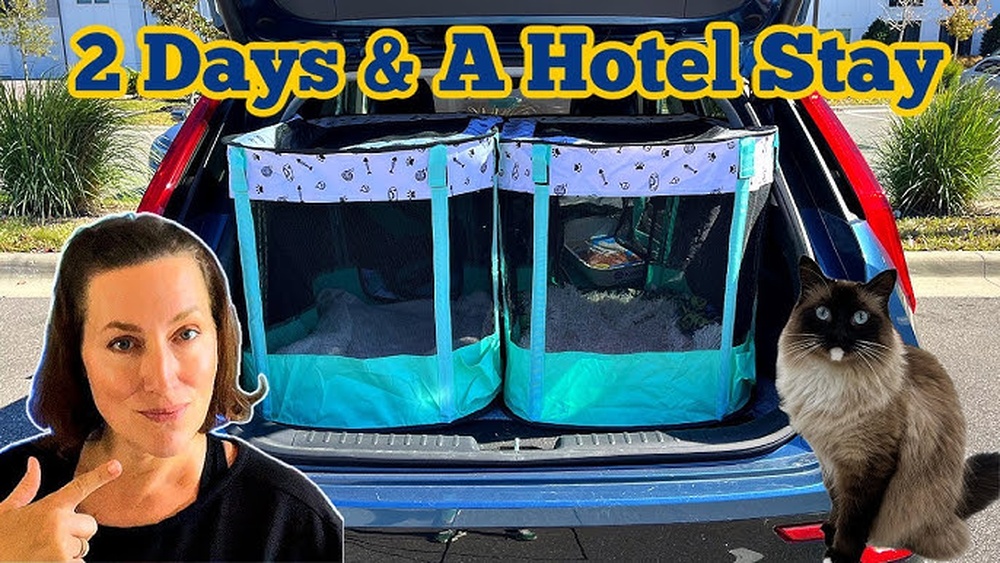
Traveling long distance with a cat can seem overwhelming, especially if you’ve never done it before. Cats love routine and familiar places. Taking them on a road trip or a flight brings new sights, sounds, and smells that can make them anxious.
But with good planning, you can turn a stressful journey into a safe, calm experience for both you and your furry friend. This guide will walk you through each step, from getting your cat ready to travel, to settling in at your new destination.
Preparing Your Cat For Long Distance Travel
Getting your cat used to travel starts at home. Cats are creatures of habit, so sudden changes can be scary for them. Start preparing a few weeks in advance for the best results.
Get The Right Carrier
Your cat’s carrier is their safe space on the trip. Choose a sturdy, well-ventilated carrier large enough for your cat to stand, turn around, and lie down. Soft-sided carriers are lighter but may not protect against bumps as well as hard ones. If traveling by plane, check airline rules—some require specific sizes.
Place the carrier in your home and leave it open. Put a soft blanket, a favorite toy, or a shirt with your scent inside. Let your cat explore and nap in it, so it doesn’t feel like a trap.
Visit The Vet
Schedule a vet checkup before your trip. Make sure vaccinations are up to date and ask about motion sickness or anxiety. Some cats may need a mild sedative, but many travel fine with just comfort and patience. Request a copy of your cat’s medical records, especially if you’re crossing state or country lines.
Practice Short Trips
Take your cat on short car rides in their carrier. Start with five-minute trips around your block, then build up to longer drives. This helps your cat get used to the motion, sounds, and routine of travel. Reward calm behavior with treats or gentle words.
Update Identification
Make sure your cat’s microchip details and collar tag are current with your contact information. If your cat escapes during the journey, this is their best chance to get home.
Non-obvious insight: Bring a recent photo of your cat. If your cat gets lost, you’ll have a picture ready to show people or post online.
Packing Essentials For Your Cat
Your cat’s comfort depends on what you bring. A well-packed travel bag can prevent many problems.
| Item | Purpose | Tips |
|---|---|---|
| Carrier | Safe transport | Soft bedding inside |
| Food & Water | Nutrition, hydration | Pack enough for the whole trip |
| Litter Box | Toilet needs | Choose a travel-friendly, covered box |
| Medication | Health & emergencies | Include vet prescription and instructions |
| Toys/Blanket | Comfort | Bring familiar items to reduce stress |
Don’t forget wipes for quick cleanups, disposable gloves, and a small trash bag for used litter. Bring a leash and harness for safe stops, even if your cat never walks on a leash at home.
Common mistake: People pack only dry food for convenience. If your cat eats wet food, bring a small cooler and ice pack. Sudden diet changes can upset your cat’s stomach.
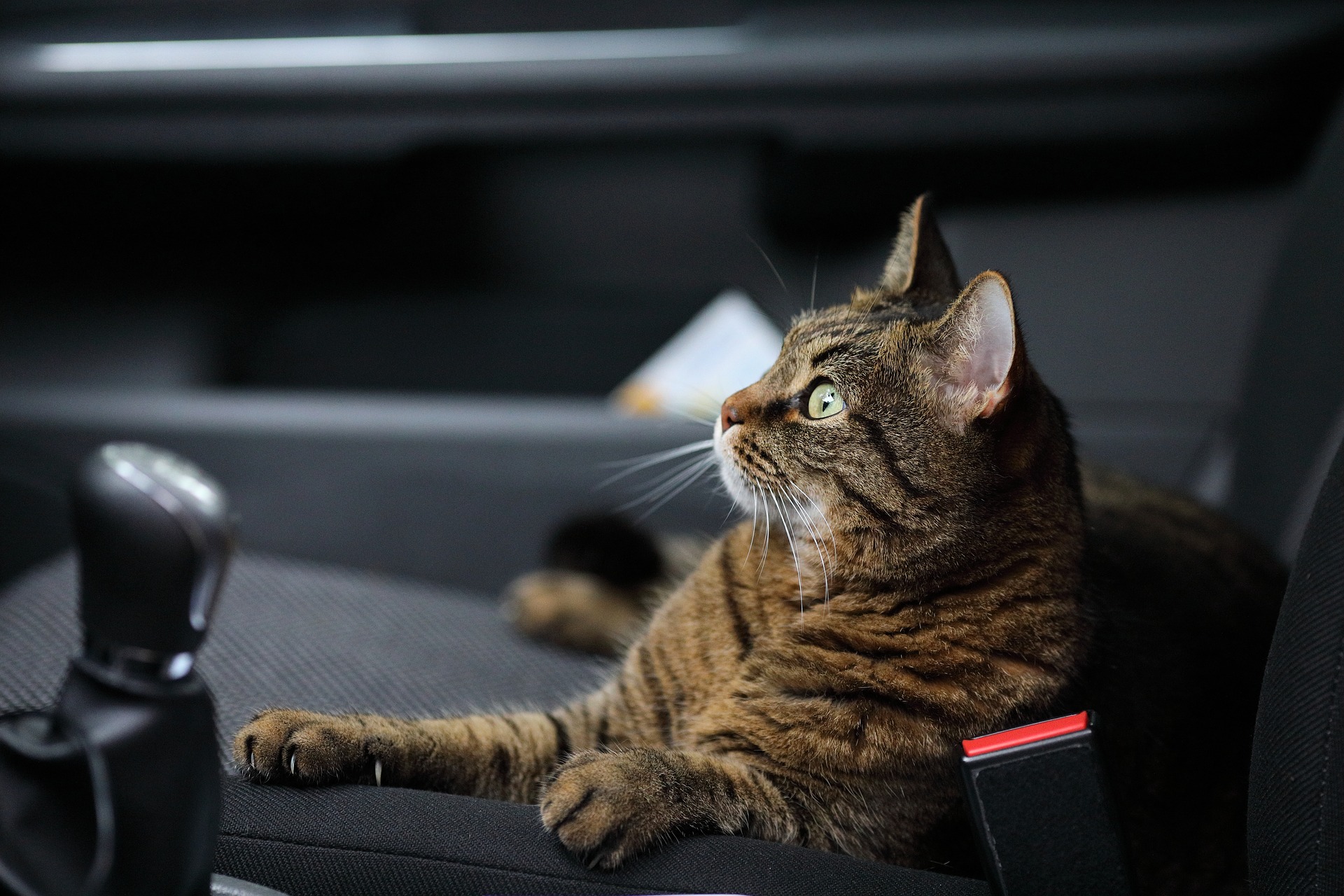
Credit: vagabondish.com
Travel Methods: Car Vs. Plane
Your travel method changes how you prepare and what you need to know.
Car Travel
Traveling by car is often less stressful for cats, especially if you can keep the environment calm.
- Keep your cat in their carrier at all times, buckled with a seat belt.
- Cover the carrier with a light towel to block scary sights.
- Avoid loud music or sudden stops.
- Plan to stop every 2–4 hours to check on your cat, offer water, and clean the litter box if needed.
Never let your cat roam free in the car. Even a calm cat can panic and crawl under pedals or escape when a door opens.
Plane Travel
Flying is faster, but the airport and flight can be noisy and confusing for cats.
- Book direct flights when possible to reduce stress.
- Choose in-cabin pet travel if your airline allows it. Cats are less stressed when near you.
- Contact the airline to confirm pet policies and fees.
- Arrive early and keep your cat’s carrier closed at all times.
Some countries require quarantine or special paperwork. Check rules well before you travel.
Insight: Some airlines only allow a certain number of pets per flight. Book your cat’s spot as soon as you buy your ticket to avoid last-minute surprises.
Managing Stress During The Trip
Keeping your cat calm is key to a smooth journey.
- Spray the carrier with synthetic feline pheromones (like Feliway) 15 minutes before putting your cat inside. These sprays mimic calming signals.
- Talk softly and avoid sudden movements.
- Offer treats for calm behavior, but don’t force food if your cat is too nervous.
- If your cat is very anxious, ask your vet about natural calming supplements or safe medications.
Cats often hide stress. Watch for panting, drooling, or loud meowing. These signs mean your cat needs reassurance or a break.

Credit: ackroydlegal.com
Handling Breaks And Overnight Stays
If your trip takes more than one day, plan ahead for overnight stops.
- Book pet-friendly hotels in advance. Not all hotels accept cats.
- Carry disposable litter boxes for easy setup in hotel rooms.
- Check the room for open windows or hiding spots before letting your cat out.
Never leave your cat alone in a car, especially in hot or cold weather. Temperatures can become dangerous in minutes.
Non-obvious insight: Bring a small flashlight. Cats may hide under hotel beds or behind furniture, and a flashlight helps you find them quickly.
Arrival And Settling In
Arriving in a new place can be a big shock for your cat.
- Set up a “safe room” with the litter box, food, water, and familiar items before opening the carrier.
- Let your cat explore one room at a time. Don’t force them out of the carrier.
- Keep doors and windows closed to prevent escapes.
- Stick to your cat’s usual feeding and play schedule to build a sense of routine.
Give your cat time. Some cats adjust in hours, others need days. Patience and gentle attention help them settle.
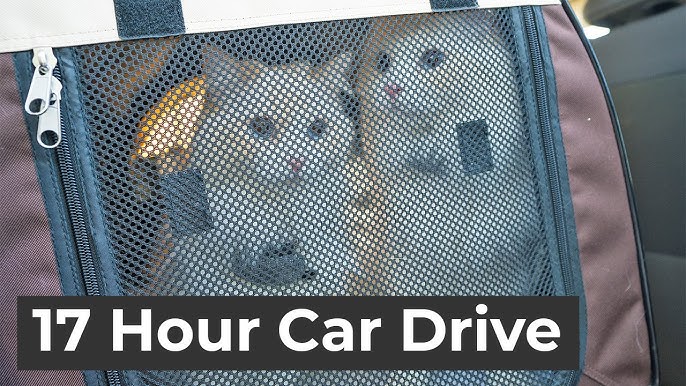
Credit: www.youtube.com
Health And Safety Tips
Travel can bring unexpected challenges. Be ready for emergencies.
- Carry a basic pet first-aid kit with bandages, tweezers, and saline solution.
- Know the location of nearby veterinarians at your destination.
- In hot weather, keep the car air-conditioned and never leave your cat in a parked car.
- In cold weather, bring extra blankets for warmth.
If your cat refuses to eat or use the litter box for over 24 hours, contact a vet. Stress can cause health problems, and early help is best.
Comparing Travel Products For Cats
There are many travel products for cats. Here’s a look at how some compare:
| Product Type | Pros | Cons |
|---|---|---|
| Hard-sided Carrier | Very protective; easy to clean | Heavier; less flexible storage |
| Soft-sided Carrier | Lighter; fits under seats | Less sturdy; harder to clean |
| Collapsible Litter Box | Portable; easy storage | May leak if not high quality |
| Disposable Litter Box | Convenient; no cleaning needed | Not eco-friendly; can be small |
Choose products based on your cat’s needs and your travel style. For example, a soft-sided carrier is great for flights, but a hard-sided one is better for nervous cats on bumpy roads.
Legal And Documentation Considerations
Traveling across state or country borders with a cat may require paperwork.
- Carry a rabies vaccination certificate and health certificate signed by your vet, especially for flights or international travel.
- Some countries require an import permit or quarantine.
- Check the rules for your destination at least a month before travel.
For up-to-date international pet travel rules, visit the USDA Pet Travel site.
Special Situations: Multiple Cats, Kittens, And Elderly Cats
Traveling with more than one cat, a kitten, or a senior cat brings extra challenges.
- Travel with one cat per carrier. Crowding cats can cause fights.
- For kittens, bring extra towels for accidents and feed them small meals more often.
- Elderly cats may need extra padding in their carrier and more frequent checks for comfort.
If your cat has a chronic health condition, get your vet’s advice about travel. Sometimes, boarding your cat at a trusted pet hotel is safer.
Frequently Asked Questions
How Can I Keep My Cat From Getting Carsick?
Feed your cat a small meal 3–4 hours before travel, not right before you leave. Keep the carrier facing forward and avoid sudden starts or stops. Ask your vet about anti-nausea medication if needed.
Is It Safe To Sedate My Cat For Travel?
Only use sedatives prescribed by your vet. Never give human medicine or over-the-counter drugs. Many cats travel well without sedation if they are prepared and kept comfortable.
Can I Let My Cat Out Of The Carrier During A Road Trip?
It’s not safe to let your cat roam free in the car. For quick breaks, use a leash and harness and keep doors closed. Most cats feel safest inside their carrier.
How Do I Handle Litter Box Needs On The Road?
Pack a travel-size litter box and scoop. Offer litter breaks during stops, but don’t worry if your cat waits—many cats won’t use the box until you’re settled for the night.
What If My Cat Refuses To Eat Or Drink While Traveling?
This is common for short trips. If your cat goes more than 24 hours without eating or drinking, contact a vet. Try offering familiar wet food or treats to encourage eating.
Traveling long distance with your cat isn’t always easy, but planning and patience make a big difference. Focus on your cat’s comfort, safety, and routine. Even if the journey has some bumps, most cats adjust and arrive healthy and calm.
With the right steps, you and your cat can share new adventures together—stress-free.