

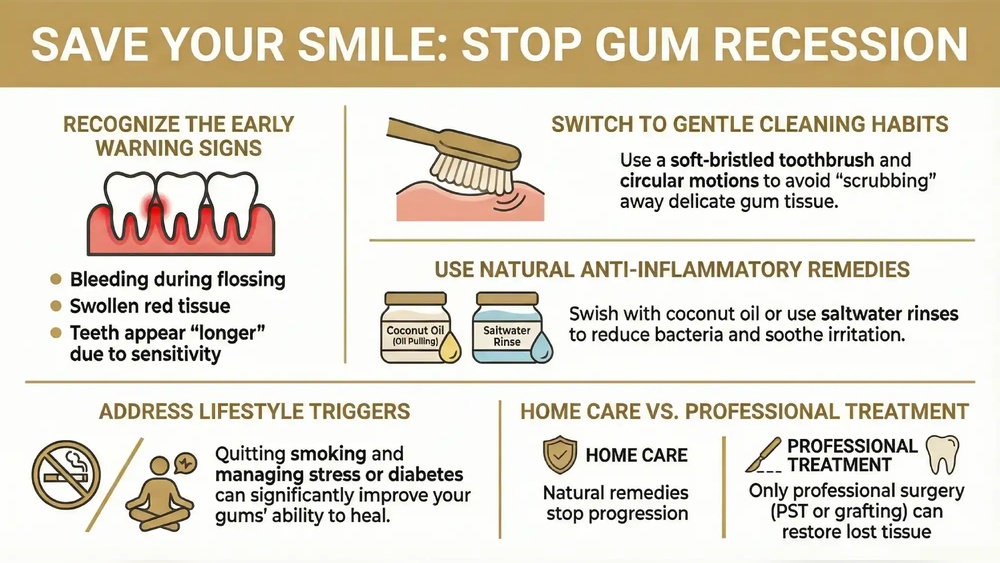
Gum recession is a common dental problem that often goes unnoticed until it becomes serious. You might see your teeth looking longer, or feel sensitivity when you drink something cold. These are signs that your gums are pulling away from your teeth. Many people wonder if it’s possible how to reverse gum recession at home. While home care cannot regrow lost gum tissue, you can slow down recession and sometimes improve gum health without surgery. This article explains how, with simple language, clear steps, and practical advice that really works.
What Is Gum Recession?
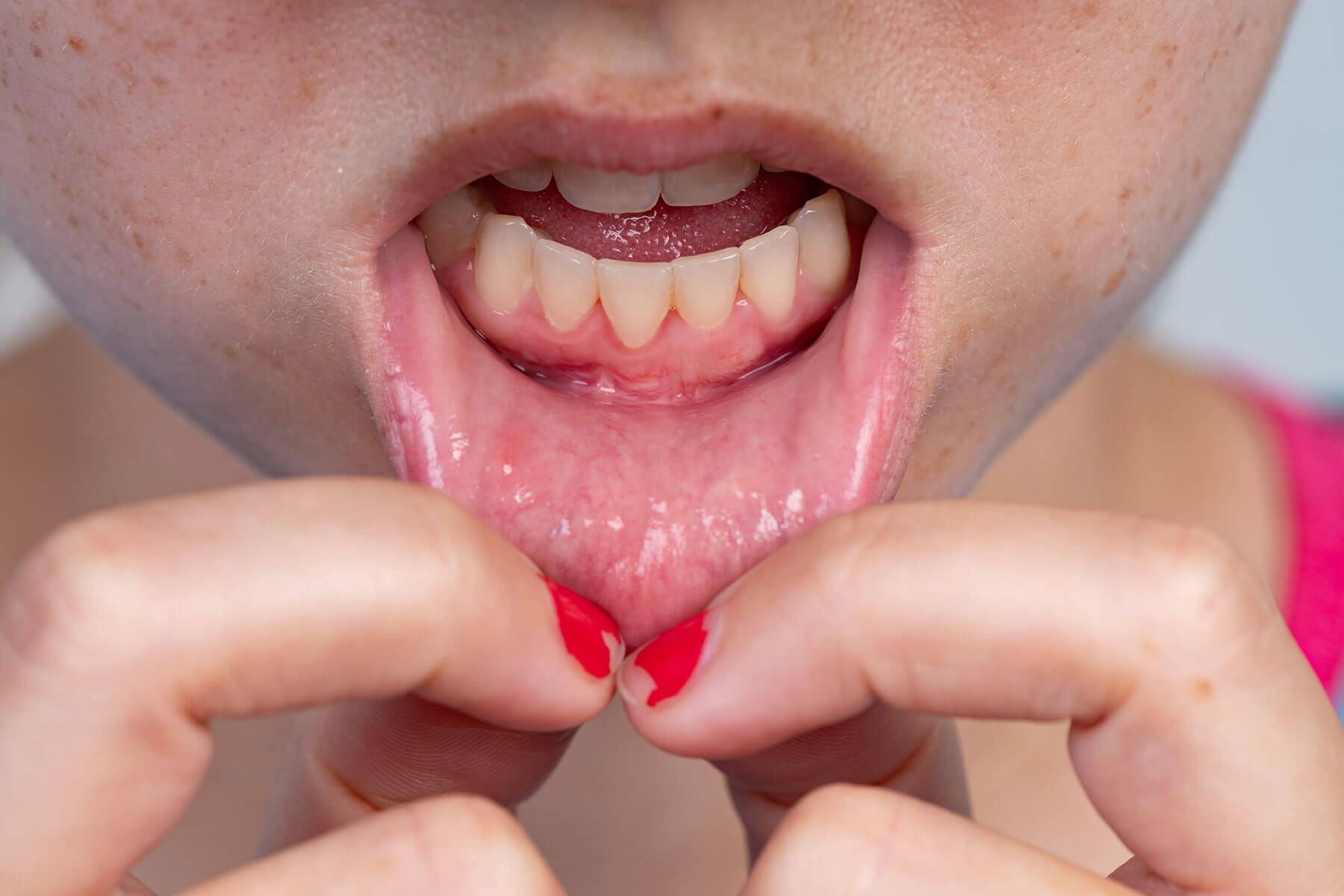
Gum recession happens when the gum tissue around your teeth wears away or pulls back. This exposes more of the tooth or even the tooth’s root. It can look like your teeth are getting longer, but in fact, your gums are moving away. Gum recession is not just a cosmetic problem—it can lead to sensitivity, tooth decay, and even tooth loss.
Main Causes
- Poor oral hygiene: Not brushing or flossing enough allows plaque to build up.
- Brushing too hard: Using too much pressure wears down gum tissue.
- Tobacco use: Smoking or chewing tobacco damages gums.
- Genetics: Some people are more likely to have gum problems.
- Hormonal changes: Pregnancy or menopause can make gums sensitive.
- Teeth grinding: Puts extra pressure on gums.
- Crooked teeth: Make cleaning harder, leading to gum problems.
Can You Reverse Gum Recession At Home?
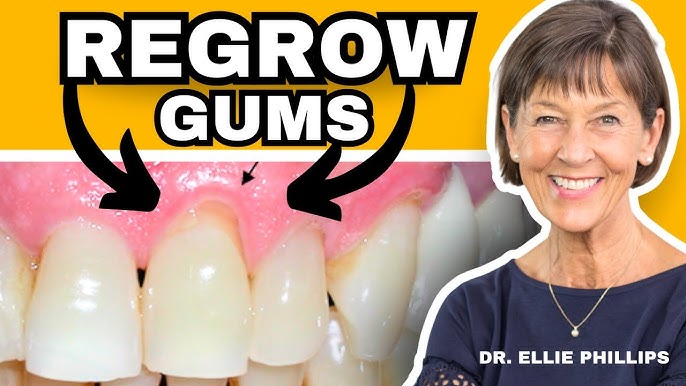
Many people hope to fix gum recession without seeing a dentist. The truth is, once gum tissue is lost, it does not grow back naturally. However, you can stop further recession, strengthen your gums, and sometimes reduce the appearance of receding gums with good home care. In early stages, proper steps may help gums reattach slightly if inflammation is the main problem.
Credit: www.supremedentistryhouston.com
Daily Oral Hygiene For Healthier Gums
Good oral hygiene is your best defense against gum recession and further damage. Here’s how to get it right:
- Brush gently twice a day. Use a soft-bristled toothbrush. Hard bristles can hurt your gums.
- Use the right technique. Hold the brush at a 45-degree angle to your gums, and use small, gentle circles.
- Don’t forget to floss. Floss at least once a day to remove plaque between teeth and under the gumline.
- Rinse with an antibacterial mouthwash. This helps reduce bacteria that cause gum disease.
- Replace your toothbrush every 3–4 months or when bristles are frayed.
Toothbrush Comparison
Which toothbrush is best for gum health? Here’s a quick look:
| Type | Gum Friendliness | Cleaning Power | Best For |
|---|---|---|---|
| Soft manual | High | Good | Sensitive gums |
| Medium manual | Moderate | Good | Normal gums |
| Hard manual | Low | Very good | Heavy plaque (not for receding gums) |
| Electric | High | Excellent | Everyone, especially limited mobility |
Tip: Always choose a soft or extra-soft brush if your gums are sensitive or receding.
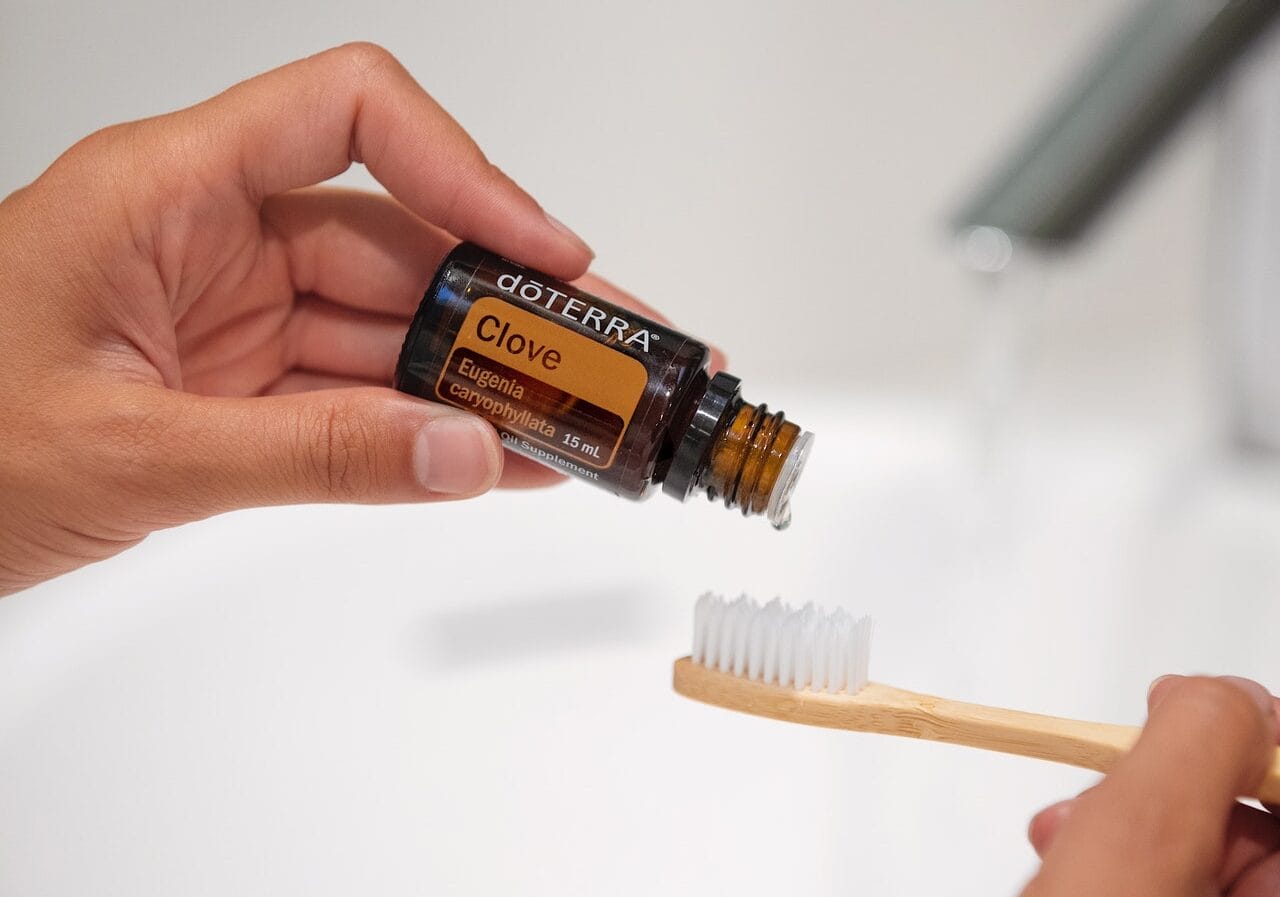
Home Remedies That Help
Some home remedies can support gum health and stop further recession. Remember, these are not cures, but they can make a real difference if used daily.
1. Salt Water Rinse
A salt water rinse reduces bacteria and soothes gum inflammation.
- Mix 1/2 teaspoon of salt in a cup of warm water.
- Swish in your mouth for 30 seconds, then spit out.
- Repeat 2–3 times a day.
2. Oil Pulling
This ancient practice may reduce plaque and bacteria.
- Swish 1 tablespoon of coconut oil or sesame oil in your mouth for 10–15 minutes.
- Do not swallow. Spit it out and rinse your mouth with water.
- Do this once a day before brushing.
3. Green Tea
Green tea contains antioxidants that support gum health.
- Drink 1–2 cups a day.
- You can also use cooled green tea as a mouth rinse.
4. Aloe Vera Gel
Aloe vera has anti-inflammatory and healing properties.
- Buy pure aloe vera gel (no added sugar or flavors).
- Apply a small amount to your gums and gently massage for 1–2 minutes.
- Rinse your mouth.
5. Turmeric Paste
Turmeric reduces inflammation and fights bacteria.
- Mix 1 teaspoon of turmeric powder with a little water to make a paste.
- Apply to your gums and leave for 2–3 minutes, then rinse.
Non-obvious insight: Never use lemon juice or vinegar on your gums—these are acidic and can make gum recession worse.
Credit: advanceddentalartsnyc.com
Foods That Support Gum Health
What you eat affects your gums. Some foods help heal and protect, while others do harm.
Foods To Eat
- Crunchy vegetables: Carrots, celery, and apples clean teeth naturally.
- Leafy greens: Spinach and kale provide vitamins for gum repair.
- Dairy: Yogurt and cheese help balance mouth bacteria.
- Nuts and seeds: Almonds and chia seeds contain healthy fats.
- Green tea: Antioxidants protect gum tissue.
Foods To Avoid
- Sugary snacks: Candy and soda feed bacteria.
- Sticky foods: Dried fruit and caramel get stuck in teeth.
- Acidic drinks: Soda and citrus juices erode enamel and irritate gums.
Food Impact Table
| Food/Drink | Effect on Gums | Why |
|---|---|---|
| Leafy greens | Positive | High in vitamins A, C, K |
| Sugary soda | Negative | Feeds bacteria, acidic |
| Cheese | Positive | Raises mouth pH, less bacteria |
| Potato chips | Negative | Sticks to teeth, hard to clean |
Non-obvious insight: Eating fibrous foods like raw vegetables can help clean your gums between brushings.
Lifestyle Changes To Protect Your Gums
Changing certain habits can make a big impact on gum health.
Stop Tobacco Use
Smoking or chewing tobacco is one of the fastest ways to lose gum tissue. Quitting is tough, but your gums will thank you.
Avoid Aggressive Brushing
Brushing harder does not clean better. In fact, it wears down your gums. Use gentle pressure and let the toothbrush do the work.
Manage Teeth Grinding
Many people grind teeth at night without knowing it. This stresses gums and can speed up recession. If you wake up with a sore jaw or headaches, talk to your dentist about getting a night guard.
Control Diabetes And Health Conditions
Conditions like diabetes can make gum recession worse. Keeping your blood sugar under control and seeing your doctor can slow down dental problems.
Stress Management
Stress increases inflammation in the body, including gums. Simple breathing exercises, enough sleep, and regular exercise help keep your whole mouth healthy.
Credit: www.youtube.com
When To See A Dentist
While home care is powerful, you can’t fix advanced gum recession at home. See a dentist if you notice:
- Loose teeth
- Gums pulling away in several areas
- Pus between gums and teeth
- Bad taste or breath that won’t go away
- Pain when chewing
A dentist can clean deep under the gums, treat infection, and offer procedures like scaling and root planing or gum grafts for severe cases.
What Treatments Can Dentists Offer?
Dentists have several ways to treat gum recession, depending on how severe it is.
Scaling And Root Planing
This is a deep cleaning that removes plaque and tartar below the gumline. It helps gums reattach to teeth in early stages.
Gum Graft Surgery
For more serious recession, a dentist may move healthy gum tissue from another area to cover exposed roots. This protects your teeth and improves appearance.
Pinhole Surgical Technique
This newer, less invasive method loosens gum tissue and slides it over the receded area. Healing is often faster than with traditional surgery.
Treatment Comparison
Here’s a look at how common treatments compare:
| Treatment | Best For | Recovery Time | Cost (approx.) |
|---|---|---|---|
| Scaling & Root Planing | Mild to moderate recession | 1–2 days | $100–$450 per quadrant |
| Gum Graft Surgery | Severe recession | 1–2 weeks | $700–$2,000 per site |
| Pinhole Technique | Multiple sites, less invasive | 2–3 days | $1,000–$3,000 per session |
Tip: Dental insurance may cover some procedures, so check with your provider.
Myths About Reversing Gum Recession
Many websites offer “miracle cures” for gum recession. Here are common myths you should not believe:
- “You can regrow gums with oil pulling or herbal pastes.” There’s no proof that any home remedy can regrow lost gum tissue.
- “Brushing with baking soda repairs receding gums.” Baking soda is abrasive and can make things worse.
- “Natural toothpaste cures gum recession.” Only good hygiene and professional care can treat gum disease.
If it sounds too good to be true, it probably is. Trust proven methods and your dentist’s advice.
Steps For Success: Daily Action Plan
If you want to stop gum recession at home, consistency is key. Here’s a simple plan:
- Brush gently twice daily with a soft brush and fluoride toothpaste.
- Floss carefully once a day, getting under the gumline but not snapping the floss.
- Rinse with salt water or an antibacterial mouthwash.
- Eat more leafy greens and crunchy veggies; avoid sugar and acid.
- Massage your gums with clean fingers for 1–2 minutes.
- Try oil pulling a few times a week.
- Check your gums weekly for changes.
- Quit tobacco and manage stress.
- Visit your dentist every 6 months for a checkup.
Frequently Asked Questions
Can Gums Really Grow Back Once They Have Receded?
No, gum tissue does not grow back naturally once lost. Home care can stop further damage and help gums reattach slightly if swelling is present, but only a dentist can restore lost tissue with surgery.
How Long Does It Take To See Improvement In Gum Health With Home Care?
Most people see some improvement in gum health, like less redness and bleeding, within 2–4 weeks of better oral hygiene. But reversing recession itself takes longer and may not be possible without dental treatment.
Is It Safe To Use Home Remedies For Gum Recession?
Yes, common remedies like salt water rinses and oil pulling are safe for most people when used as directed. Avoid harsh acids, abrasive powders, or unproven “miracle cures.” Always see a dentist if you have pain or severe recession.
Can Receding Gums Lead To Tooth Loss?
Yes, if gum recession gets worse, the supporting bone can be lost, and teeth may become loose. That’s why early action and regular dental visits are important.
Where Can I Learn More About Gum Recession And Dental Health?
For reliable information, visit the Mayo Clinic website.
Taking care of your gums at home is a smart move, but it’s not a substitute for dental care. The sooner you start, the better your results will be. Small daily changes can protect your gums, your smile, and your health for years to come.
