

Best Hiking Shoes for Women can be a life-changing activity—fresh air, beautiful views, and a break from the daily rush. But for women, choosing the right hiking shoes is more than comfort. It’s about support, safety, and enjoying every step, whether you’re on a gentle trail or climbing steep mountains.
The wrong shoes can lead to blisters, sore feet, or even injury. With so many options out there, finding the best hiking shoes for women can feel overwhelming. This guide will help you find the right fit for your adventures.
What Matters Most In Women’s Hiking Shoes
Every foot is unique, but a few key factors are essential for all hikers:
- Fit and comfort: Your shoe should fit snugly without pinching. Women’s feet are often narrower than men’s, so look for shoes built for a woman’s foot shape.
- Traction: Quality soles with deep lugs grip well on rocks, mud, and gravel.
- Support: Good arch support and a sturdy sole protect your feet over long distances.
- Weight: Lightweight shoes help you move faster and reduce fatigue.
- Water resistance: Waterproofing keeps feet dry in rain or through streams, but breathable shoes can be better for hot, dry climates.
One mistake beginners often make is choosing shoes that are too tight. Feet swell during long hikes, so always try shoes with hiking socks and leave a little extra room in the toe box.
Top 7 Hiking Shoes For Women
Many brands make excellent hiking shoes, but these seven models stand out for their mix of comfort, durability, and performance.
- Merrell Moab 3
- Best for: All-around use and comfort
- Known for its cushioned insole and reliable grip, the Moab 3 is often called “Mother of All Boots.” The waterproof model is perfect for wet conditions.
- Salomon X Ultra 4 GTX
- Best for: Technical trails and rainy days
- This shoe is light but offers excellent stability. The Gore-Tex lining keeps feet dry, while the special outsole gives grip on both mud and rock.
- Altra Lone Peak 7
- Best for: Wide feet and trail running
- The wide toe box allows toes to spread, and zero-drop design gives a natural feel. It’s a favorite for thru-hikers and long-distance walkers.
- Keen Targhee III
- Best for: Extra toe protection
- With a reinforced toe cap, this shoe is tough and stable. It’s slightly heavier but protects against roots and rocks.
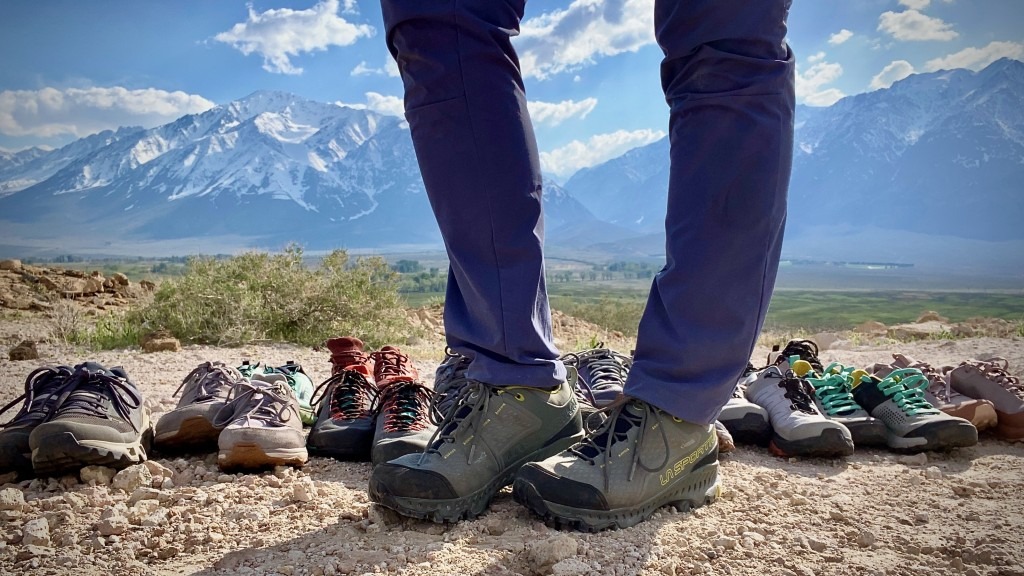
- La Sportiva Spire GTX
- Best for: Mountain hikes and rough terrain
- The Vibram sole and Gore-Tex waterproofing make this shoe ideal for rocky or wet trails. It’s supportive for long, steep climbs.
- Oboz Sawtooth X Low
- Best for: Cushion and durability
- Oboz is known for durable soles and supportive footbeds. The Sawtooth X Low is great for day hikes and weekend backpacking.
- Columbia Newton Ridge Plus
- Best for: Budget-friendly comfort
- This shoe offers good grip and waterproofing at a lower price. It’s a solid choice for beginners or those who hike less often.
Quick Comparison Of Top Picks
To help you choose, here’s a side-by-side look at the main features:
| Shoe | Weight (Pair) | Waterproof | Best For |
| Merrell Moab 3 | 1 lb 12 oz | Yes | All-around hiking |
| Salomon X Ultra 4 GTX | 1 lb 8 oz | Yes | Technical, wet trails |
| Altra Lone Peak 7 | 1 lb 6 oz | No | Trail running, wide feet |
Important Features To Compare
Some features matter more depending on where and how you hike. Here’s a comparison of what to look for:
| Feature | Why It Matters | Brands Noted For |
| Toe Protection | Prevents injury from rocks and roots | Keen, Oboz |
| Breathability | Keeps feet cool and dry in warm weather | Altra, La Sportiva |
| Arch Support | Reduces foot fatigue on long hikes | Oboz, Merrell |
Tips For Choosing And Using Hiking Shoes
Choosing the right shoe goes beyond the brand. Consider these practical tips:
- Try shoes on at the end of the day when your feet are largest.
- Test with your hiking socks to check fit and comfort.
- Break in new shoes before a long hike—walk around your house or on short trails.
- Check the return policy—sometimes a shoe that feels good in the store doesn’t work on the trail.
- Replace shoes every 500-800 miles. Old soles lose grip and support.
A common mistake is ignoring the type of terrain. If you hike in rocky areas, choose shoes with a stiff sole. For soft, muddy trails, look for extra traction.
Read more
Best Places to Travel in Mexico
Caring For Your Hiking Shoes
Proper care can double the life of your shoes:
- Clean after every hike—remove mud and dirt to prevent breakdown of materials.
- Dry shoes naturally. Avoid placing them near direct heat, which can damage glue and fabric.
- Use a waterproofing spray regularly if your shoes are waterproof.
For more advice, the REI Co-op guide offers expert tips on hiking footwear.
Frequently Asked Questions
What Is The Difference Between Hiking Shoes And Hiking Boots?
Hiking shoes are lighter and lower-cut, offering flexibility and speed. Hiking boots are taller and heavier, with more ankle support. Shoes are better for dry, easy trails, while boots are good for rough terrain or carrying heavy backpacks.
Are Waterproof Hiking Shoes Always Better?
Not always. Waterproof shoes keep feet dry in wet conditions but can get hot and sweaty in warm weather. If you hike in dry climates, breathable shoes may be more comfortable.
How Should Hiking Shoes Fit?
They should feel snug but not tight. You should have enough room to wiggle your toes. Always try shoes with your hiking socks, and check that your heel doesn’t slip.
How Long Do Hiking Shoes Last?
Most quality hiking shoes last 500-800 miles, depending on use and terrain. Replace them when the tread wears down or you lose support.
Can I Use Running Shoes For Hiking?
You can for easy, flat trails, but running shoes usually lack the grip and support needed for rocky or wet paths. Hiking shoes protect your feet and last longer.
Finding the best hiking shoes for women is about matching your needs to the right features. Take your time, test a few pairs, and remember—happy feet make for happy trails.