

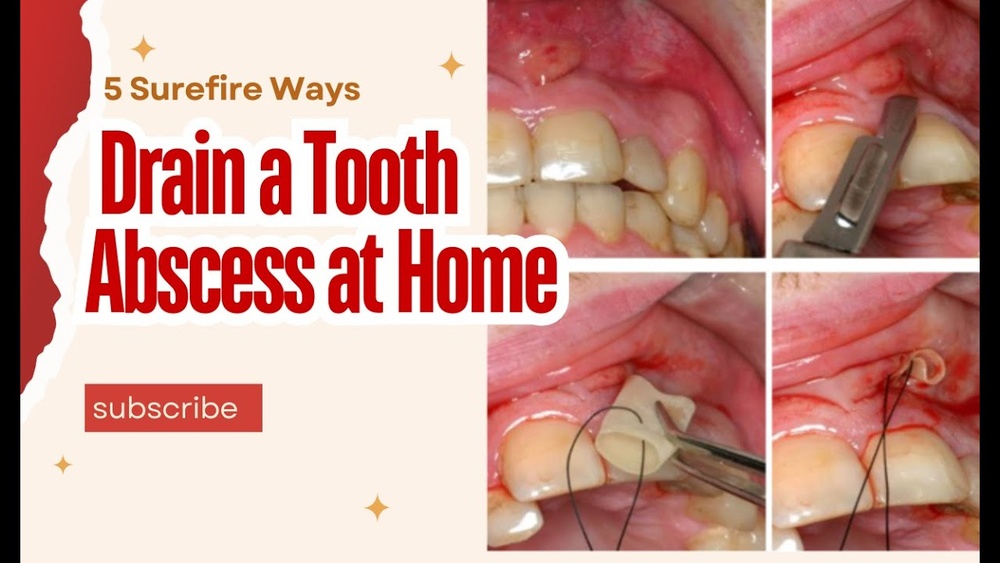
A tooth abscess can cause intense pain, swelling, and even fever. Many people search for ways to relieve the pressure and discomfort at home. But is it safe to drain a tooth abscess yourself? This guide explains the risks, steps, and safer alternatives. You’ll learn what you can do to ease pain until you see a dentist and why professional care is always the best choice. Understanding the right steps will protect your health and prevent bigger problems.
What Is A Tooth Abscess?
A tooth abscess is a pocket of pus caused by a bacterial infection. It usually forms at the root of a tooth or between the gum and tooth. The infection can develop after tooth decay, gum disease, or an injury allows bacteria to enter the tooth or gums. Once inside, bacteria multiply quickly, and pus builds up, causing pressure and pain. Symptoms include:
- Severe toothache
- Swelling of the gums or face
- Sensitivity to hot or cold
- Bad taste in the mouth
- Fever
Other signs can include trouble opening your mouth, swollen lymph nodes in your neck, or feeling generally unwell. The infection can spread to other parts of the body if not treated quickly. According to the Centers for Disease Control and Prevention, oral infections send nearly 200,000 Americans to emergency rooms every year.
In some cases, the infection spreads so fast it becomes life-threatening within days.
| Type of Abscess | Location | Symptoms |
|---|---|---|
| Periapical | Root tip | Pain, swelling, pus |
| Periodontal | Gums | Redness, swelling, bleeding |
| Gingival | Surface of gum | Local swelling, mild pain |
Many people do not realize that an abscess can sometimes cause only mild pain at first, then suddenly become much worse. It’s common to think the problem will go away if you wait, but abscesses rarely heal without treatment.
Why Draining A Tooth Abscess At Home Is Risky
Trying to drain a tooth abscess by yourself is dangerous. Here’s why:
- Infection risk: Home methods can introduce more bacteria, making the infection worse.
- Incomplete drainage: Without dental tools, you can’t remove all the pus.
- Damage to tissue: Improper techniques may injure gums, nerves, or blood vessels.
- Spread of infection: If bacteria enter the bloodstream, it can lead to serious complications like sepsis.
You might see videos or advice online suggesting you “pop” an abscess, but these methods do not remove all the infected material. In fact, pushing or squeezing can force bacteria deeper into the tissue or even toward vital areas like your jaw, neck, or chest.
This can quickly become a medical emergency.
Dentists use sterile equipment and know how to drain abscesses safely. The American Dental Association warns that untreated abscesses can even be life-threatening. Even if you manage to release some pus, you can’t see where the infection has spread under the surface, and you might miss warning signs of a deeper problem.
| Method | Risk Level | Possible Outcome |
|---|---|---|
| Professional drainage | Low | Relief, healing |
| Home drainage | High | Infection, complications |
Many people don’t realize that dental infections can travel through the jawbone or soft tissues very fast. In rare cases, infections from a tooth can even reach the brain or heart.
Credit: www.tooth-life.com
What You Can Safely Do At Home
While draining the abscess yourself is not safe, you can take steps to manage symptoms:
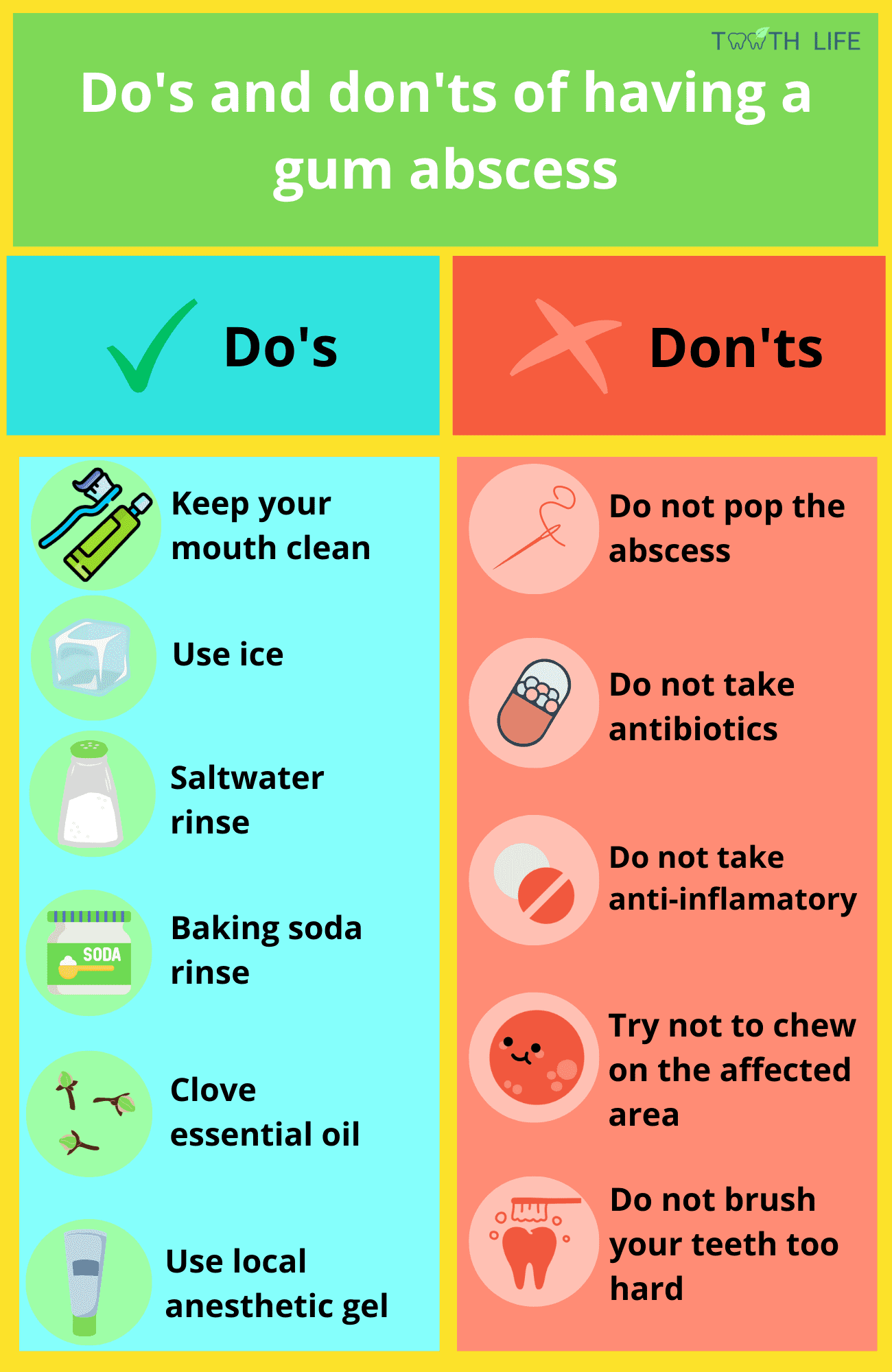
- Rinse with saltwater: Mix 1/2 teaspoon of salt in a cup of warm water. Swish gently for 1 minute, then spit. Repeat 3–4 times daily.
- Apply a cold compress: Place a cold pack on your cheek for 15 minutes to reduce swelling. Never put ice directly on your skin—wrap it in a cloth.
- Take pain relievers: Use acetaminophen or ibuprofen as directed for pain. Do not exceed the recommended dose.
- Keep your head elevated: Sleeping with your head raised can help minimize swelling and make it easier to breathe if swelling is severe.
- Avoid hot foods: Hot drinks and foods can increase pain. Stick to soft, cool foods if chewing is difficult.
These steps do not cure the infection but provide relief until you get dental care. Even if your pain lessens, the bacteria are still present. Some people are surprised that the swelling can return quickly if the infection is not treated at the source.
You might also find gentle brushing and flossing helps keep the area clean. Avoid using mouthwashes with alcohol, as these can irritate the gums further.
| Home Remedy | Effectiveness | How Often |
|---|---|---|
| Saltwater rinse | Moderate | 3–4 times/day |
| Cold compress | Good for swelling | Every few hours |
| Pain relievers | Temporary relief | As needed |
What Not To Do
Avoid these common mistakes:
- Do not use sharp objects (like needles) to poke the abscess.
- Do not squeeze or press the swollen area.
- Do not apply aspirin directly on the gums—it can cause burns.
- Do not ignore symptoms if you have fever, trouble swallowing, or breathing.
Even if you feel desperate for relief, trying to “pop” the abscess often brings more pain and risk. Home remedies found online, such as garlic or essential oils, might irritate the area and do not treat the real infection.
When To Seek Immediate Help
If you notice any of these signs, see a dentist or visit an emergency room right away:
- Difficulty breathing or swallowing
- High fever
- Severe swelling of face or neck
- Confusion or weakness
These symptoms mean the infection may have spread. Delaying care can be fatal. Infections that block your airway or affect your ability to swallow need emergency attention. Even if your symptoms improve, always follow up with a dentist.
Why Professional Treatment Is Essential
Dentists treat abscesses by:
- Draining the pus with sterile tools
- Prescribing antibiotics to kill bacteria
- Fixing the cause (like a damaged tooth)
- Follow-up care to ensure healing
Some cases require a root canal or tooth extraction. Professional treatment prevents complications and protects your health. If you have other health problems, such as diabetes or a weakened immune system, seeing a dentist quickly is even more important.
Example Of Dental Care
A patient with a large abscess received drainage, antibiotics, and a root canal. The pain improved within 24 hours, and swelling went down over three days. Without dental care, the infection could have spread to the jaw or bloodstream.
Dentists may also take an X-ray to check if the infection has reached the bone. If you follow their advice, healing is usually quick and complete. Skipping dental visits or stopping antibiotics early can cause the infection to return.
For more details on dental abscess management, visit Mayo Clinic.

Credit: en.wikipedia.org
Frequently Asked Questions
Can I Drain A Tooth Abscess With A Needle?
No. Using a needle is very risky. It can make the infection worse and cause serious injuries. Always see a dentist for safe drainage.
How Long Can I Wait Before Seeing A Dentist?
Do not wait more than 24–48 hours if you have severe pain, swelling, or fever. Early treatment prevents dangerous complications. Waiting longer can make the infection harder to treat.
Are Antibiotics Enough To Treat An Abscess?
Antibiotics can help, but they do not remove the pus. Dental drainage is usually needed. Only a dentist can decide the right treatment.
What Happens If A Tooth Abscess Bursts On Its Own?
If an abscess bursts, you may feel relief, but the infection is still there. Pus may leak, but bacteria remain. You still need dental care. Sometimes, the opening closes again, trapping bacteria inside.
How Can I Prevent Tooth Abscesses?
Brush twice daily, floss, and visit your dentist every six months. Avoid sugary foods and treat cavities quickly. Good oral hygiene lowers your risk. If you feel pain or see swelling, get checked early to avoid abscesses.
Final Thoughts
A tooth abscess is a serious condition that requires professional help. Draining it at home is unsafe and can lead to severe complications. Use simple home remedies for pain relief, but contact a dentist as soon as possible. Your health and safety should always come first.
Remember, fast action can save your tooth and prevent dangerous problems later.

Credit: www.pkdentistry.com