
Feeling a tight or aching lower back is common, especially after long hours at a desk, heavy lifting, or even just standing for too long. Many people search for quick ways to get relief. The good news: you can decompress your lower back at home using safe, simple methods. You don’t need expensive equipment or a gym membership. With the right approach, you can reduce pressure, ease pain, and help your spine feel better. Let’s explore practical ways to decompress your lower back, backed by science and expert advice.
What Does “decompress Lower Back” Mean?
When we say “decompress,” we’re talking about relieving pressure on the spine and the discs in your lower back. Everyday activities—like sitting, bending, or lifting—can compress (squeeze) these discs. Over time, too much pressure can cause pain, stiffness, or even nerve problems.
Decompression helps by creating space between the vertebrae (the bones in your spine). This reduces stress on nerves and can bring fast relief. Think of it as giving your spine a gentle stretch to reset and recover.
Why Decompress Your Lower Back?
Lower back pain is the leading cause of disability worldwide, affecting about 540 million people at any given time. Regular decompression can:
- Reduce pain and stiffness
- Improve mobility
- Promote better posture
- Lower the risk of chronic back issues
Not everyone needs medical decompression or surgery. Most people can benefit from simple, home-based techniques. However, if your pain is severe, lasts for weeks, or involves numbness/weakness, see a doctor.
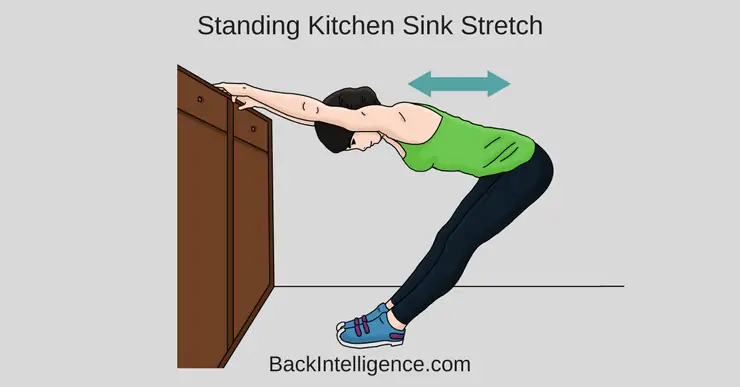
Credit: backintelligence.com
Safe Home Techniques For Lower Back Decompression
You don’t need advanced tools. Here’s how to get started:
1. Supported Child’s Pose
This gentle yoga stretch helps lengthen and relax your lower back.
- Kneel on a mat, big toes touching, knees apart.
- Sit back on your heels.
- Stretch your arms forward and rest your forehead on the floor.
- Hold for 30–60 seconds, breathing deeply.
Tip: Place a pillow under your chest for extra support if needed.
2. Lying Knee-to-chest Stretch
Simple but effective, this stretch eases tension in the spine.
- Lie on your back, knees bent.
- Pull one knee toward your chest, holding for 20 seconds.
- Switch legs, or hug both knees at once for a deeper stretch.
- Repeat 2–3 times.
3. Pelvic Tilts
Pelvic tilts strengthen your core and gently move your spine.
- Lie on your back, knees bent, feet flat.
- Tighten your stomach muscles and press your lower back into the floor.
- Hold for 5 seconds, then relax.
- Do 10–15 reps.
4. Hanging From A Bar
If you have a sturdy pull-up bar, hanging can use gravity to decompress your spine.
- Grip the bar, let your body relax, and hang for 10–20 seconds.
- Keep feet off the ground if possible.
- Start slowly—don’t force your grip.
Caution: Avoid this if you have shoulder issues.
5. Using An Exercise Ball
An exercise (or stability) ball can support gentle back extension.
- Lie back on the ball, feet flat, arms stretched overhead.
- Let your lower back arch over the ball.
- Hold for 15–30 seconds.
Tip: Choose a ball size where your feet are stable on the floor.
Comparison: Home Decompression Methods
To help you choose, here’s a quick look at key methods:
| Method | Equipment Needed | Difficulty | Best For |
|---|---|---|---|
| Child’s Pose | Mat/Pillow | Easy | Beginners |
| Knee-to-Chest | None | Easy | All levels |
| Pelvic Tilts | Mat | Easy | Core strengthening |
| Hanging | Pull-up bar | Medium | Active individuals |
| Exercise Ball | Stability ball | Easy | Gentle extension |
Common Mistakes To Avoid
Many people rush stretches or use poor form. Here’s what to watch for:
- Bouncing or forcing movements – Always move slowly to avoid injury.
- Holding your breath – Deep, steady breathing helps muscles relax.
- Ignoring pain – Stretching should not cause sharp pain. If it does, stop.
- Skipping warm-up – A few minutes of walking or gentle movement helps your muscles prepare.
How Often Should You Decompress?
Consistency is key. Most experts suggest doing these stretches once or twice daily. Even 5–10 minutes can make a difference. Over time, you’ll notice better flexibility and less pain.
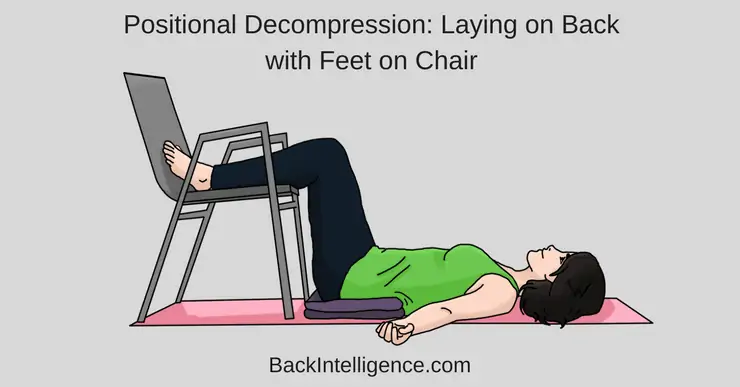
Credit: backintelligence.com
Data: Lower Back Pain And Decompression
Here’s a summary of research findings on back pain and home decompression benefits.
| Statistic | Details |
|---|---|
| Global Prevalence | ~540 million people affected |
| Leading Cause | Disability worldwide (WHO) |
| Home Decompression Success | Up to 65% report improvement |
| Key Risk Factor | Poor posture, weak core |
When To Seek Medical Help
Home decompression works for mild to moderate pain. However, see a doctor if you experience:
- Pain lasting more than 2 weeks
- Numbness or tingling in legs
- Weakness or loss of control in legs/bladder
- Fever or unexplained weight loss
These may be signs of a more serious condition, such as a herniated disc or nerve compression.

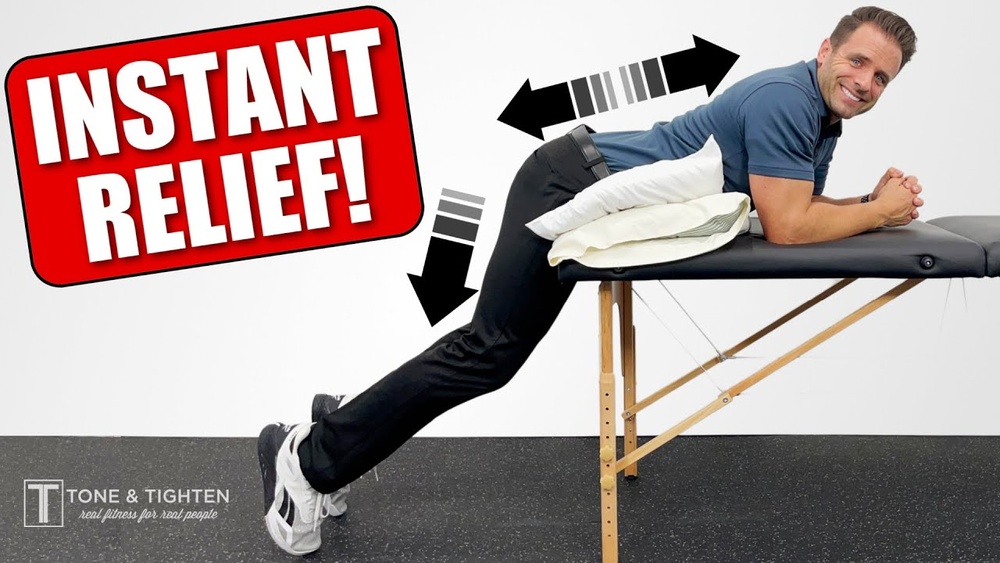
Credit: www.youtube.com
Extra Tips For Back Health
- Stay active—walking is gentle and effective.
- Focus on good posture at your desk or while standing.
- Sleep with a pillow under your knees (back sleepers) or between your knees (side sleepers).
- Use ice or heat for sore muscles, as needed.
A hidden insight: hydration supports healthy spinal discs. Discs need water to stay flexible and cushion your spine. Drink enough fluids each day for long-term back health.
Another tip: Many people forget to stretch the hip flexors. Tight hips can pull your lower back forward, causing more compression. Add a simple hip flexor stretch to your routine.
Frequently Asked Questions
What Is The Fastest Way To Decompress My Lower Back At Home?
The quickest method is hanging from a sturdy pull-up bar. Gravity helps create space in your spine. If you don’t have a bar, try the knee-to-chest stretch or child’s pose for instant relief.
Can I Use An Inversion Table At Home?
Yes, but inversion tables are not for everyone. They can help decompress the spine, but may not be safe for people with high blood pressure, glaucoma, or heart issues. Always check with your doctor first. For more details, see Mayo Clinic.
How Long Does It Take To Feel Better?
Most people notice some relief after their first session. For lasting results, do decompression exercises daily for at least 2–4 weeks.
Is It Safe To Decompress My Back Every Day?
For healthy adults, daily gentle decompression is safe and often recommended. Avoid over-stretching or using force. Listen to your body and stop if you feel pain.
What If Home Methods Don’t Work?
If you don’t see improvement after 2 weeks, or if your pain worsens, consult a healthcare provider. You may need further evaluation, imaging, or physical therapy.
Taking care of your lower back at home is possible with simple, regular decompression exercises. With patience and the right habits, you can relieve pain, improve movement, and protect your spine for years to come.
Related posts: