
Maui is a dream for anyone who loves snorkeling. The island sits in the heart of Hawaii, surrounded by warm, clear water and home to hundreds of colorful fish and coral reefs. Each bay and cove has its own unique beauty, making Maui a paradise for beginners and experts alike.
But with so many options, it can be hard to choose where to start. In this guide, you’ll discover the best places to snorkel in Maui, plus practical tips for a safe and unforgettable experience.
Why Snorkel In Maui?
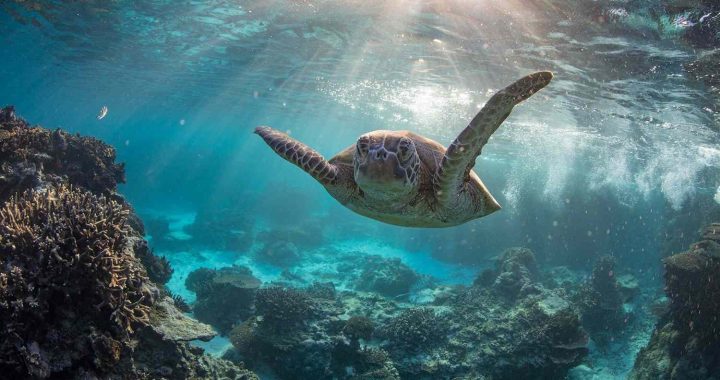
Maui’s waters are famous for their crystal-clear visibility, gentle currents, and a huge variety of marine life. You can spot green sea turtles, schools of tropical fish, and, if you’re lucky, even spinner dolphins. The reefs are alive with color, offering a view of underwater Hawaii that you can’t get from a boat or the shore. Unlike some places where snorkeling means swimming far out, Maui has many spots where you can walk right in from the beach.
Snorkeling is also family-friendly and doesn’t require expensive gear or training. Most beaches have local shops where you can rent equipment, and some even have lifeguards. Whether you want a quick dip or a full day exploring the ocean, Maui has something for every level.
Top 10 Snorkeling Spots In Maui
Maui’s coastline is full of amazing snorkeling locations. Here are the top 10, each offering something special.
1. Molokini Crater
Molokini is a crescent-shaped, partially submerged volcanic crater. It sits about 3 miles off the coast, so you’ll need to take a boat tour. The water here is extremely clear—visibility can reach up to 150 feet. You’ll see a wide range of marine life: parrotfish, moorish idols, and even moray eels. The protected location means calm waters, making it ideal for all skill levels.
Non-obvious tip: Try to book a morning tour. The wind picks up in the afternoon, which can make the water choppy and reduce visibility.
2. Honolua Bay
Located on the northwest shore, Honolua Bay is a marine life conservation district. The calm, sheltered waters are full of coral gardens and large schools of fish. The best snorkeling is on the right side of the bay, near the rocky cliffs. You might also see turtles resting on the reef.
Practical insight: The bay has no sandy beach entry—you’ll need to walk over rocks, so bring sturdy water shoes.
3. Kapalua Bay
Kapalua Bay is a perfect spot for families and beginners. It’s a small, crescent-shaped beach with gentle waves. The coral reefs are close to shore, so you don’t need to swim far. Here, you’ll find butterflyfish, surgeonfish, and sometimes octopus hiding in the rocks.
Insider tip: Arrive early in the morning. Kapalua is popular and parking is limited, especially during peak season.
4. Napili Bay
Napili Bay is famous for its soft sand and calm, clear water. It’s a good place to see green sea turtles up close. The reefs are healthy and full of color. Because the bay is protected, it rarely has strong currents.
Unique insight: The best snorkeling is on the right-hand side of the bay, near the rocky point.
5. Black Rock (ka’anapali Beach)
Black Rock, at the north end of Ka’anapali Beach, is a lava rock peninsula that attracts lots of fish and turtles. The drop-off here creates deep blue water and a variety of sea life. It’s easy to access from the beach, and the sand is perfect for relaxing after your swim.
Safety note: Be aware of stronger currents around the tip of Black Rock, especially on windy days.
6. Ahihi-kinau Natural Area Reserve
This protected reserve in South Maui is a snorkeler’s wonderland. The lava rock coastline creates small coves filled with coral and fish. You’ll find species here that you won’t see in other parts of Maui. The water is usually calm, but there are no sandy beaches—entry is from the rocks.
Beginner tip: Watch your step on the sharp lava rocks. Water shoes are recommended.
7. Ulua Beach
Ulua Beach is a favorite for both snorkeling and scuba diving. The best area is the rocky reef on the right side of the beach. Schools of tangs, triggerfish, and even small rays can be seen here. The beach is sandy and easy to access.
Crowd tip: Go early or late in the day to avoid the busiest times.
8. La Perouse Bay
For those seeking adventure, La Perouse Bay offers rugged, wild beauty. The area is less developed, with lava fields and clear blue water. You’ll see schools of goatfish and sometimes dolphins offshore. The currents can be strong, so it’s best for confident swimmers.
Pro insight: Check the weather and ocean conditions before you go, as the area can be rough.
9. Turtle Town (maluaka Beach)
Maluaka Beach is often called “Turtle Town” for a reason—you’ll almost always see green sea turtles here. The sand is soft, and entry is easy. The coral reef starts just offshore, with plenty of fish and turtles to watch.
Non-obvious tip: The south end of the beach tends to have more turtles and fewer people.
10. Coral Gardens
Coral Gardens is a lesser-known spot located along the Pali Highway. Many boat tours stop here, but you can also reach the area from Olowalu Beach. The coral is healthy and colorful, with many species of fish and sometimes manta rays.
Extra insight: If you’re snorkeling from shore, go when the ocean is calm. The area is not protected by lifeguards.
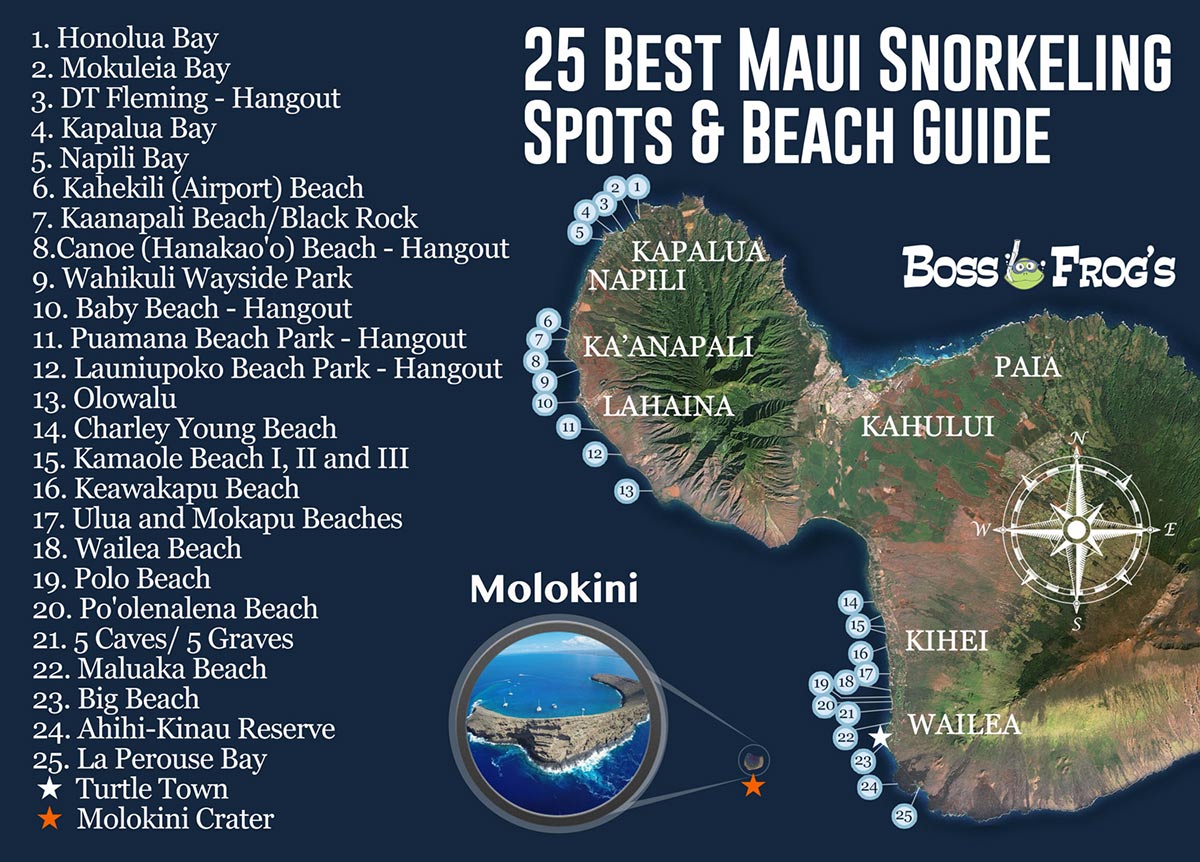
Credit: bossfrog.com
Comparing Maui’s Top Snorkeling Spots
Here’s a quick look at how Maui’s best snorkeling locations compare by accessibility, marine life, and safety.
| Spot | Best For | Access | Lifeguards |
|---|---|---|---|
| Molokini Crater | Visibility, variety | Boat only | No |
| Honolua Bay | Coral, fish | Rocky beach | No |
| Kapalua Bay | Families, easy entry | Sandy beach | Yes |
| Napili Bay | Turtles, calm water | Sandy beach | No |
| Black Rock | Deep water, turtles | Sandy beach | Yes |
| Ahihi-Kinau | Unique fish, clear water | Rocky entry | No |
| Ulua Beach | Beginner-friendly | Sandy beach | Yes |
| La Perouse Bay | Adventure, dolphins | Lava rocks | No |
| Maluaka Beach | Turtles | Sandy beach | No |
| Coral Gardens | Healthy coral | Boat/shoredive | No |
When Is The Best Time To Snorkel In Maui?
Weather and ocean conditions can make a big difference in your snorkeling experience. The best months are April to October, when the water is warmest and visibility is highest. Morning is usually the best time—winds pick up after noon, which can make the water rough and cloudy.
Winter can bring larger waves, especially to the north and west shores. If you plan to snorkel during these months, stick to the south-facing beaches, which are more protected.

Credit: www.auntiesnorkel.com
Essential Snorkeling Tips For Maui
Snorkeling in Maui is easy, but a few tips will help you get the most out of your trip.
- Use Reef-Safe Sunscreen: Chemicals in regular sunscreen can damage coral. Choose a mineral-based sunscreen labeled reef-safe.
- Check Ocean Conditions: Always look for posted signs and talk to lifeguards if available. Websites like Hawaii Beach Safety offer real-time updates.
- Bring Water Shoes: Many of Maui’s best spots have rocky entry points. Water shoes protect your feet from sharp rocks and sea urchins.
- Do Not Touch Marine Life: Hawaii’s reefs and animals are protected by law. Touching turtles, coral, or fish can harm them and is illegal.
- Stay Close to Shore: If you’re not a strong swimmer, stay in shallow water and never snorkel alone.
- Keep Your Distance From Boats: Some spots, like Molokini, have boat traffic. Be aware of your surroundings at all times.
What Marine Life Can You See?
Maui’s warm waters are home to a huge variety of sea creatures. Here are some you’re most likely to spot while snorkeling:
- Green Sea Turtles (Honu): Often seen near rocky areas and coral reefs.
- Parrotfish: Brightly colored, with a beak-like mouth.
- Humuhumunukunukuāpuaʻa: Hawaii’s state fish, known for its unique shape and pattern.
- Butterflyfish: Small, colorful fish that travel in pairs.
- Moorish Idols: Striped, with long dorsal fins.
- Eels: Usually hiding in holes in the coral.
- Spinner Dolphins: Sometimes seen from shore at La Perouse Bay or during boat trips.
Non-obvious insight: Many fish in Maui change color or markings as they grow. What looks like two different species may actually be the same fish at different ages.
Snorkeling Equipment: Rent Or Buy?
You can rent gear at almost every beach town in Maui. Rental shops offer masks, snorkels, fins, and sometimes flotation vests. Prices are usually $10–$20 per day for a full set. If you plan to snorkel several days, you may save money by renting for a week.
Some visitors prefer to bring their own mask and snorkel for comfort and hygiene. Fins, however, can be bulky for travel.
Here’s a quick comparison of renting versus buying:
| Option | Pros | Cons |
|---|---|---|
| Renting | Cheap, easy, no luggage | Fit may not be perfect |
| Buying | Personal fit, reusable | Upfront cost, travel hassle |
Tip: If you wear glasses, consider a prescription mask. Some shops offer these for rent, but not all.
What To Bring For A Maui Snorkel Trip
Packing the right items can make your day much easier. Here’s what you should bring:
- Reef-safe sunscreen
- Water shoes
- Towel and change of clothes
- Water bottle (hydration is important)
- Light snacks
- Hat and sunglasses for after snorkeling
- Waterproof phone case or dry bag for valuables
- Small first aid kit (for minor cuts or scrapes)
Beginner mistake: Many forget to bring a rash guard. Even in warm water, a rash guard protects you from sunburn and jellyfish stings.
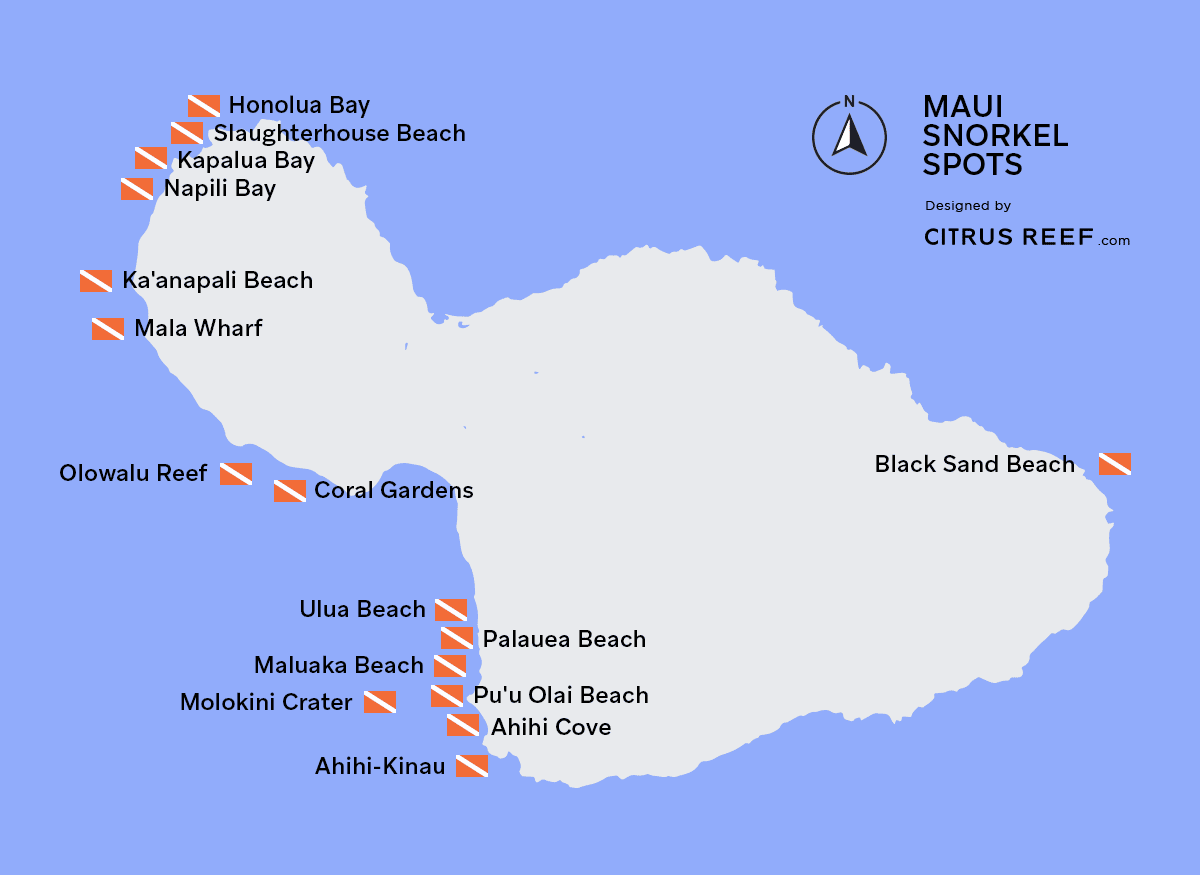
Credit: www.citrusreef.com
Safety And Conservation
Hawaii’s reefs are fragile and protected by state law. Always follow these rules:
- Never stand or walk on coral.
- Do not feed the fish—this disrupts the natural balance.
- Take your trash with you.
- Respect wildlife and keep a safe distance.
Local authorities sometimes close beaches for safety or conservation. Always check for signs or online updates before you go.
Frequently Asked Questions
How Do I Choose The Best Snorkeling Spot For My Skill Level?
If you’re a beginner, start with Kapalua Bay or Ulua Beach. These have gentle waves, sandy entry, and lifeguards. Advanced snorkelers might enjoy Molokini Crater or La Perouse Bay for more variety and deeper water.
Can I Snorkel In Maui Year-round?
Yes, but conditions change with the seasons. April to October is best for calm water. Winter months can bring bigger waves, especially to the north and west shores.
Is It Safe To Snorkel With Turtles?
Yes, but keep at least 10 feet away from all turtles. Touching or chasing them is illegal and stressful for the animals. Watch quietly and enjoy the experience.
Do I Need To Book A Tour For Snorkeling?
Not always. Many spots are accessible from the beach. However, Molokini Crater and Coral Gardens are best reached by boat. Tours offer equipment, guidance, and safety briefings.
What If I’m Not A Strong Swimmer?
Choose beaches with lifeguards and stay close to shore. Use a snorkel vest for extra buoyancy. Never snorkel alone, and avoid areas with strong currents or no lifeguards.
Maui’s underwater world is waiting for you. With a little planning, you’ll experience some of the best snorkeling on earth—colorful reefs, gentle turtles, and memories that last a lifetime.