
Every year, as summer fades and cooler days arrive, nature offers a brilliant show: trees turn gold, red, and orange, painting landscapes with color. This transformation, known as fall foliage, is one of the most beautiful sights in the United States. Travelers from around the world visit famous destinations to see this seasonal magic. But where are the best places to witness fall foliage?
Let’s explore top locations, discuss what makes them special, and share expert tips to make your autumn adventure unforgettable.
New England: The Classic Fall Foliage Destination
The New England region is often called the heart of fall foliage. States like Vermont, New Hampshire, and Maine are famous for their vibrant autumn colors.
- Vermont: Rolling hills and maple trees turn brilliant red and orange. Stowe and Woodstock are popular towns. Peak color: late September to mid-October.
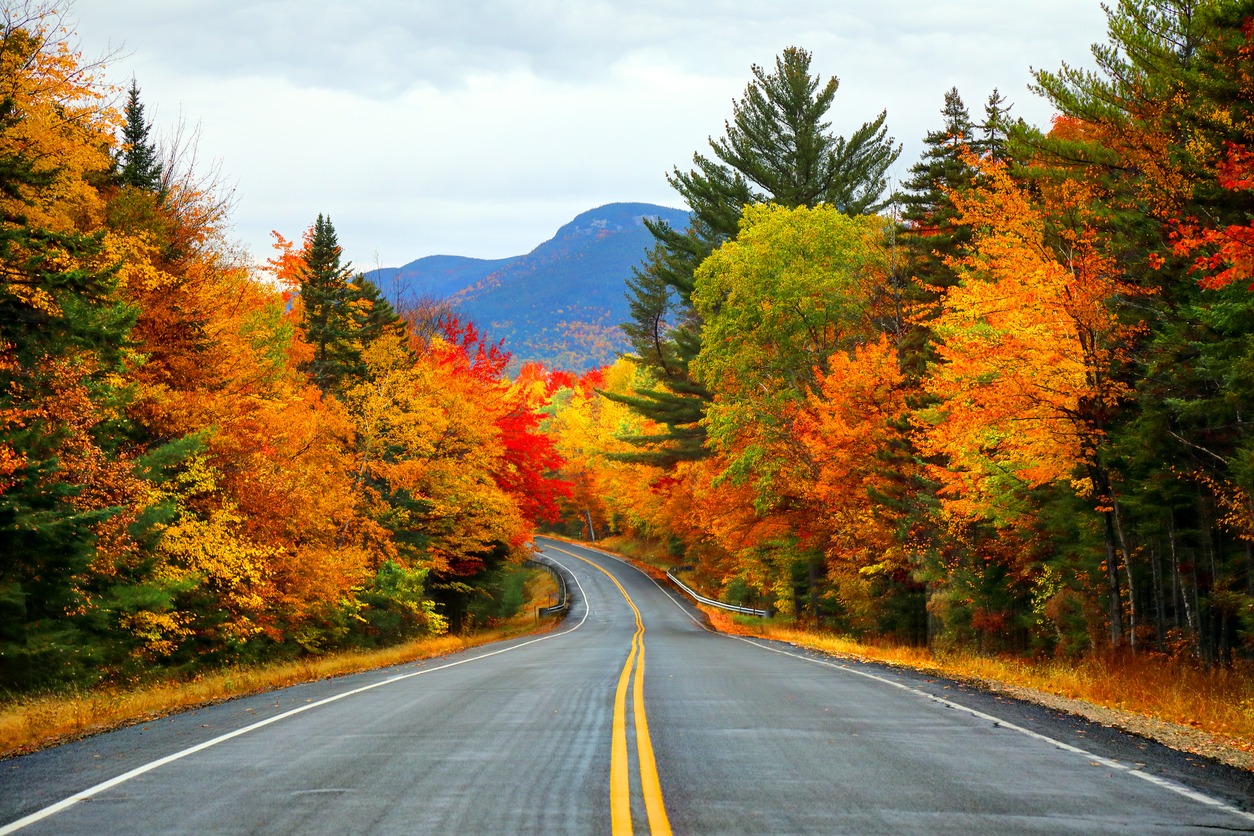
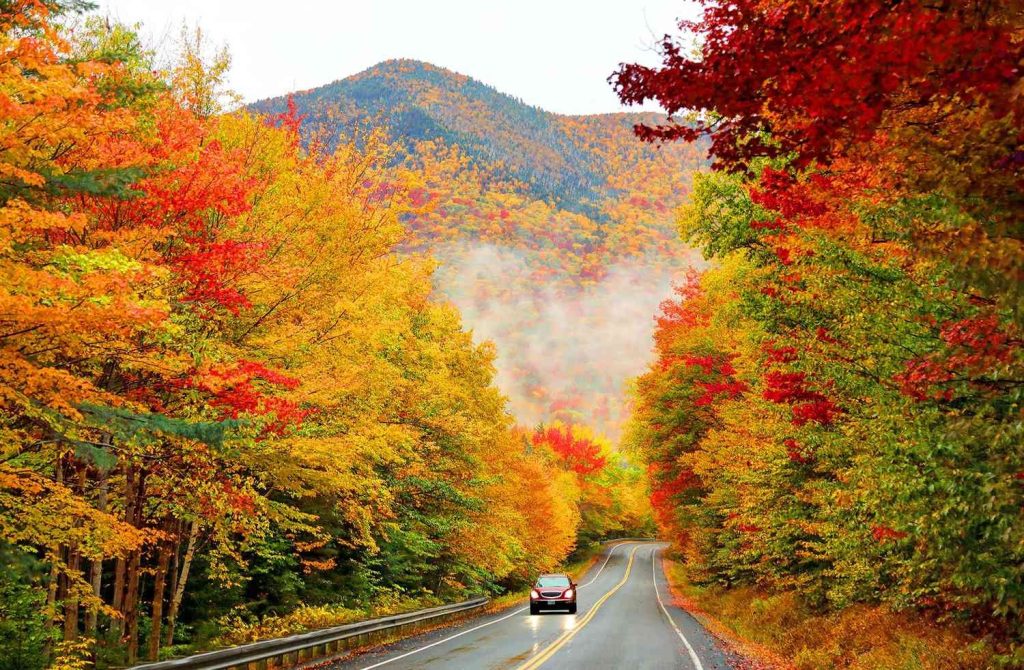
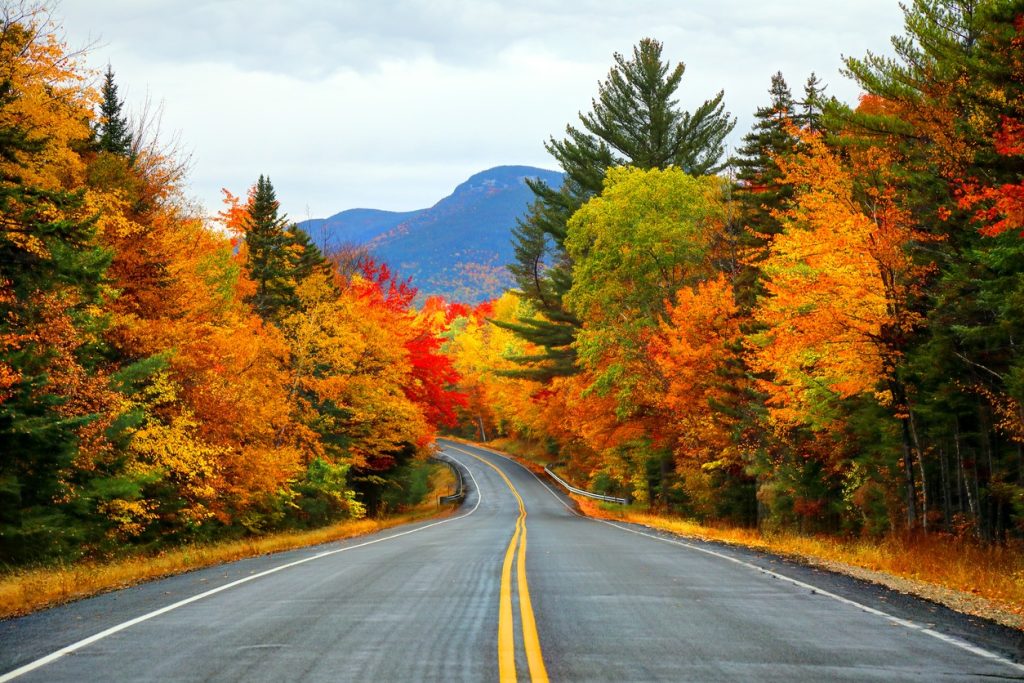
- New Hampshire: The White Mountains offer stunning views, especially along the Kancamagus Highway. Peak color: early to mid-October.
- Maine: Visit Acadia National Park for ocean views mixed with fiery forests. Peak color: early October.
| State | Peak Foliage | Best Spot |
| Vermont | Late Sep–Mid Oct | Stowe |
| New Hampshire | Early–Mid Oct | Kancamagus Hwy |
| Maine | Early Oct | Acadia NP |
Insider tip: Many travelers miss smaller back roads, which can offer quieter, equally stunning scenery. Also, weekdays tend to be less crowded than weekends.
The Great Smoky Mountains: Southern Splendor
The Great Smoky Mountains in Tennessee and North Carolina feature deep reds and golds across rolling hills and valleys.
- National Park statistics: Over 100 tree species change color, making the area rich in variety.
- Clingmans Dome and Cades Cove are top viewing spots.
- Peak color: Mid-October to early November.
| Location | Tree Species | Peak Color |
| Great Smoky Mountains NP | 100+ | Mid Oct–Early Nov |
| Clingmans Dome | Mixed forest | Late Oct |
| Cades Cove | Hardwoods | Late Oct |
Did you know? The Smokies’ long elevation range means you can see color changes for several weeks, starting at higher elevations and moving down.
Colorado: Mountain Majesty
While New England is famous, Colorado’s Rocky Mountains offer a unique fall experience.
- Aspen trees turn bright yellow, often contrasting with evergreens and blue skies.
- Maroon Bells near Aspen is one of the most photographed spots in North America.
- Peak color: Mid to late September.
Non-obvious insight: Aspen groves can cover entire hillsides, creating waves of yellow. Some areas, like Telluride, remain less crowded and equally beautiful.
The Pacific Northwest: Diverse Landscapes
The Pacific Northwest—especially Oregon and Washington—offers a mix of forest, river, and urban fall colors.
- Columbia River Gorge: Hiking trails show off maples and oaks.
- Seattle’s parks: Discovery Park and Washington Park Arboretum have stunning foliage.
- Peak color: Mid-October.
Practical tip: Rain is common, so bring waterproof gear. Cloudy days can actually enhance the colors for photography Best Places to See in New Mexico
Midwest Gems: Hidden Beauty
The Midwest may surprise you with its fall foliage. States like Michigan, Wisconsin, and Minnesota have vast forests and lakes.
- Michigan’s Upper Peninsula: Lake shores reflect golden birch and fiery maples.
- Wisconsin’s Door County: Known for cherry trees and vibrant color.
- Minnesota’s North Shore: Along Lake Superior, mix of colors and dramatic cliffs.
| State | Best Region | Unique Feature |
| Michigan | Upper Peninsula | Lake views |
| Wisconsin | Door County | Cherry orchards |
| Minnesota | North Shore | Lake Superior cliffs |
Expert advice: Local harvest festivals can add fun to your trip and are often missed by tourists. Check event calendars for timing.
Tips For Planning A Fall Foliage Trip
Seeing the best fall foliage requires some planning. Here are practical steps to make your journey smooth:
- Check online foliage trackers: Websites offer weekly updates on color status.
- Book early: Popular hotels and cabins fill up fast during peak weeks.
- Pack layers: Weather can change quickly, especially in mountains.
- Avoid weekends: Weekdays are quieter, and roads are less busy.
- Bring a camera: Early morning and late afternoon light makes colors pop.
Common mistake: Many travelers wait too long to book, missing the best window. Start researching dates and locations in late summer.
Frequently Asked Questions
When Is The Best Time To See Fall Foliage In The Us?
The peak time varies by region. New England is usually late September to mid-October. The Smoky Mountains peak from mid-October to early November. Use local foliage trackers for exact dates.
Which Trees Produce The Most Vibrant Colors?
Maple trees are famous for red and orange tones. Aspen turns bright yellow. Oak, birch, and dogwood also add variety. Each region has a mix of species, creating unique color palettes.
Are There Good Fall Foliage Spots Outside The Us?
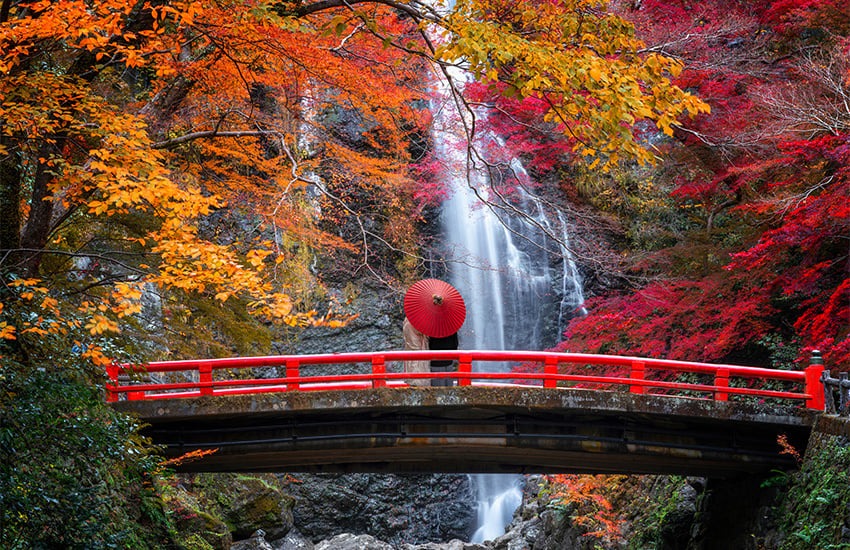
Yes! Japan is known for its autumn colors, especially in Kyoto. Canada—like Ontario and Quebec—also offers stunning displays. For more details, visit Wikipedia.
How Can I Predict The Peak Color?
Use official park websites and foliage trackers. They update weekly and offer maps. Weather, rainfall, and temperature affect timing, so check often as your trip approaches.
What Should I Bring For A Fall Foliage Trip?
Pack warm layers, waterproof jackets, comfortable shoes, and a camera. If you plan to hike, bring snacks and water. Early mornings can be chilly, but afternoons may warm up.
Fall foliage is a natural event worth experiencing. Whether you explore the rolling hills of Vermont, the rugged peaks of Colorado, or lakeside forests in Michigan, the colors of autumn will leave lasting memories. Plan ahead, choose your destination wisely, and enjoy the magic of this vibrant season.