
China is a country where ancient history meets modern wonders. From the vast deserts of the west to the vibrant cities of the east, it offers a travel experience unlike anywhere else. Whether you love natural beauty, ancient architecture, or lively food markets, China has something for everyone.
Planning your trip can be overwhelming because of the country’s size and diversity, but knowing the best places to visit can help you create an unforgettable journey.
Beijing: Where History Lives
Beijing is the capital of China and a city full of imperial landmarks. The famous Forbidden City sits at the heart of Beijing, once the home of emperors for nearly 500 years. Its huge courtyards and golden roofs are unforgettable. Just outside the city, you can walk along the Great Wall of China at spots like Mutianyu or Badaling—these sections are restored and easy for first-time visitors.
Beijing is also the place to try Peking duck, a dish that’s crispy on the outside and juicy inside. Don’t miss the Temple of Heaven, where locals practice tai chi in the morning. For a different view of the city, visit the 798 Art District, a modern area full of galleries and cafes.
Shanghai: Modern China’s Heartbeat
Shanghai is a city of contrasts. The skyline along the Bund shows off modern skyscrapers like the Shanghai Tower beside old colonial buildings. Walk along Nanjing Road for some of the best shopping in China.
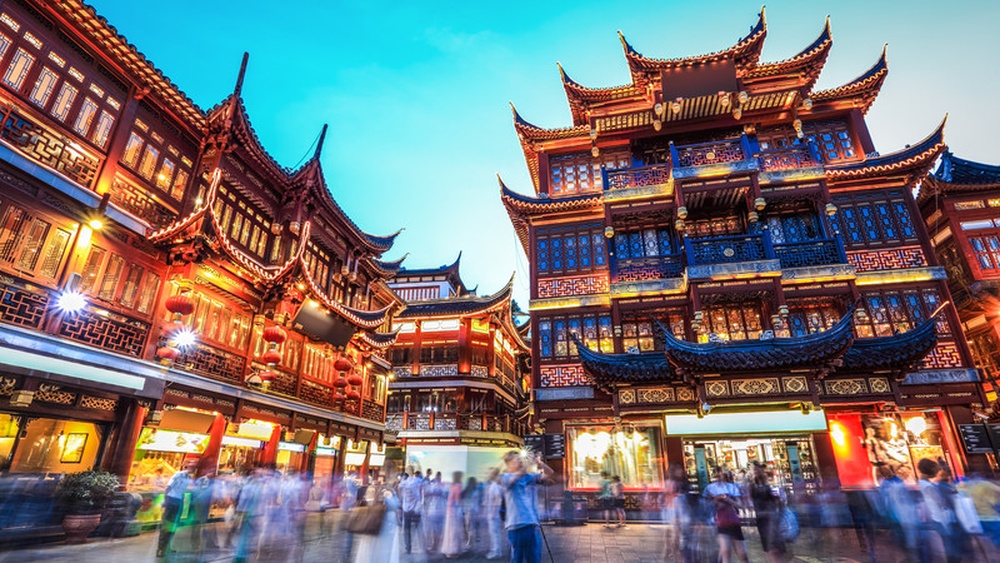
In the Old City, you’ll find the peaceful Yu Garden and nearby street food stalls selling soup dumplings. For nightlife, the French Concession area is full of bars, boutique shops, and tree-lined streets. If you like museums, the Shanghai Museum has ancient Chinese art and artifacts.
Quick Comparison: Beijing Vs. Shanghai
Here’s a simple look at how these two cities compare:
| Feature | Beijing | Shanghai |
|---|---|---|
| Main Attraction | Forbidden City, Great Wall | Bund, Shanghai Tower |
| Best Food | Peking duck | Soup dumplings |
| Style | Historic | Modern |
Xi’an: The Ancient Capital
Xi’an is famous for the Terracotta Army, thousands of life-sized soldiers buried with China’s first emperor. Seeing these statues in person is like stepping back in time. Xi’an was once the start of the Silk Road, so the city has a mix of cultures.
Inside the old city walls, you can bike along the top for a unique view. Try the local food in the Muslim Quarter, where you’ll find lamb skewers and hand-pulled noodles. Xi’an is smaller than Beijing and Shanghai but full of charm.
Guilin And Yangshuo: Dreamlike Landscapes
Guilin is famous for its karst mountains and the calm Li River. The scenery here is featured on the 20-yuan note. A river cruise from Guilin to Yangshuo is one of China’s best outdoor experiences. Along the way, you’ll see fishermen using trained cormorants and water buffalo grazing.
In Yangshuo, rent a bike or scooter to explore the countryside. The small villages and green fields are perfect for photos. At night, the Impression Liu Sanjie show takes place on the river, using the real mountains as a backdrop.
Credit: www.topchinatravel.com
Chengdu: Home Of The Giant Pandas
Chengdu is the capital of Sichuan Province and known for its relaxed pace. The biggest draw here is the Chengdu Research Base of Giant Panda Breeding. Arrive early to see the pandas when they’re most active.
Chengdu is also famous for its spicy food. Try hot pot or mapo tofu if you like bold flavors. The city’s teahouses are a great place to watch daily life and chat with locals. Nearby, the Leshan Giant Buddha—the world’s largest stone Buddha—can be reached by a short train ride.
Zhangjiajie: Avatar’s Floating Mountains
If you love nature, Zhangjiajie National Forest Park will amaze you. Its tall, thin sandstone pillars inspired the floating mountains in the movie Avatar. You can walk on glass bridges, ride cable cars, and take in some of China’s most unique scenery.
This area is less crowded than other famous spots. The Tianmen Mountain has a dramatic cliff-hanging walkway and a glass skywalk for thrill-seekers. For the best views, visit early morning or late afternoon.
Credit: museumofwander.com
Hangzhou: A Classic Chinese Scene
Hangzhou is often called “heaven on earth” by Chinese poets. The city’s West Lake is surrounded by gardens, pagodas, and tea fields. You can rent a boat or walk along the shore for peaceful views. The Longjing tea plantations in the hills are a good place to learn about China’s tea culture.
Hangzhou’s food is mild and sweet. Try Dongpo pork or West Lake fish in vinegar sauce for local flavors. The city is just one hour by train from Shanghai, making it an easy side trip.
Suzhou: Gardens And Ancient Canals
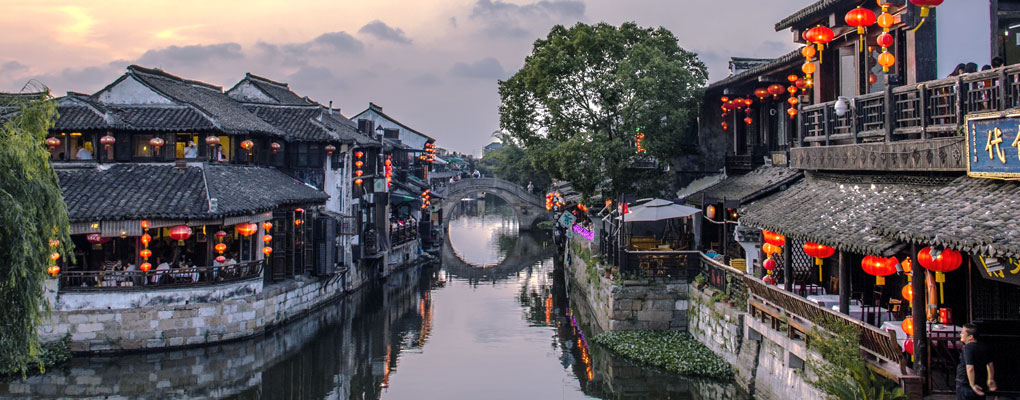
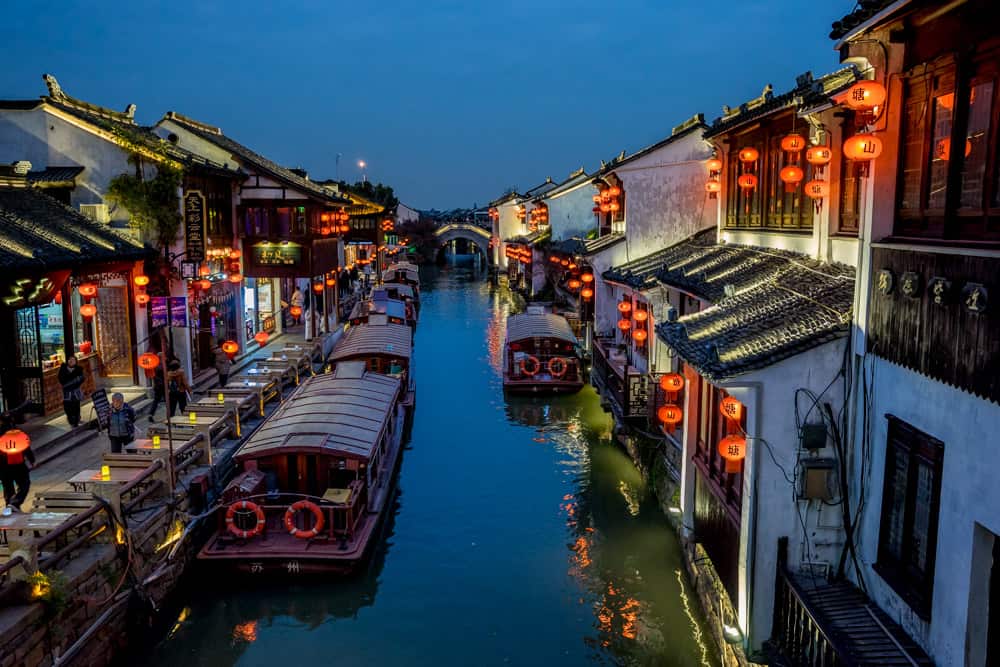
Suzhou is famous for its classical gardens, such as the Humble Administrator’s Garden and Lingering Garden. These gardens use rocks, water, and plants to create peaceful scenes. Suzhou is also known as the “Venice of the East” because of its old canals.
Take a boat ride through the Pingjiang Road area to see stone bridges and historic homes. Silk has been made here for over a thousand years, and you can visit the Suzhou Silk Museum to learn more.

Credit: www.youtube.com
The Yellow Mountains (huangshan): Sea Of Clouds
The Yellow Mountains are a top spot for hikers and photographers. The peaks rise above a sea of clouds, with twisted pine trees clinging to the cliffs. There are well-marked trails and cable cars for easy access.
At sunrise, the view from the top is magical. Some travelers stay overnight in mountain hotels to catch the early light. The nearby Hongcun and Xidi villages are UNESCO sites, showing traditional Anhui architecture.
Lhasa And Tibet: Roof Of The World
Lhasa is the heart of Tibetan culture. The Potala Palace, with its white walls and golden roofs, stands above the city. Inside, you’ll see sacred rooms used by the Dalai Lama. The Jokhang Temple is another important site, where pilgrims spin prayer wheels.
Traveling to Tibet requires a special permit, and the high altitude can be challenging. But the beauty of the land and the kindness of the people make it worth the effort. If you go, take time to adjust and drink lots of water.
Hong Kong: East Meets West
Hong Kong is a special city with both Chinese and British influences. Its skyline is one of the world’s most impressive, especially viewed from Victoria Peak. Take the Star Ferry for a cheap ride between Hong Kong Island and Kowloon.
The city is a food lover’s paradise, known for dim sum and bustling night markets. For nature, visit the beaches of Repulse Bay or hike the Dragon’s Back trail. Hong Kong is also a major shopping destination, from luxury malls to street markets.
Harbin: Ice And Snow Wonderland
In winter, Harbin becomes a frozen fairy tale. The Harbin International Ice and Snow Sculpture Festival is held every January and February. Artists create huge castles, animals, and slides from blocks of ice.
Harbin’s Russian history is seen in buildings like Saint Sophia Cathedral and in foods like sausage and borscht. Dress warmly, as temperatures often drop below -20°C (-4°F) during the festival.
Yunnan: A Land Of Diversity
Yunnan Province is home to 25 ethnic groups and some of China’s most beautiful scenery. In Lijiang, the old town’s cobbled streets and wooden houses are full of character. Dali offers views of Erhai Lake and the Cangshan Mountains.
Go south to Xishuangbanna for tropical forests and a taste of Southeast Asia. Yunnan’s mild climate, rice terraces, and mix of cultures make it a favorite for long-term travelers.
Sanya: China’s Tropical Paradise
Sanya is on Hainan Island and is known for its white sand beaches and warm weather year-round. It’s popular for swimming, snorkeling, and relaxing at seaside resorts.
Yalong Bay has some of China’s best hotels, while Tianya Haijiao (“Edge of the Sky, Rim of the Sea”) is a romantic spot at the island’s southern tip. Sanya is ideal for families or anyone needing a break from city life.
Quick Guide: When To Visit Top Destinations
Choosing the right season can make your trip much better. Here’s a simple guide to the best times for each place:
| Destination | Best Months | Why Visit |
|---|---|---|
| Beijing/Shanghai | April–June, Sept–Oct | Mild weather, fewer crowds |
| Guilin/Yangshuo | April–October | Lush green scenery |
| Harbin | Jan–Feb | Ice Festival |
| Tibet | May–September | Clear skies, less cold |
| Sanya | Nov–March | Sunny, warm beaches |
Insider Tips For Traveling In China
Traveling in China is easier if you prepare. Here are some tips most beginners miss:
- Apps are essential: Download WeChat for messaging and payments, and Baidu Maps for navigation. Google services often do not work in China.
- Cashless society: Many places prefer mobile payments over cash or cards. Ask your hotel for help setting up payments if needed.
- Language barrier: English is not widely spoken outside big cities. Have your destination written in Chinese, or use a translation app.
- Trains over planes: China’s high-speed trains are fast, comfortable, and often easier than flying. Book tickets in advance, especially during holidays.
- Respect local customs: In temples, dress modestly and avoid loud voices. In Tibet, never take photos of monks without permission.
Frequently Asked Questions
What Is The Best Time To Visit China?
The best time for most places is spring (April–June) or autumn (September–November). The weather is comfortable, and popular spots are less crowded. Some destinations, like Harbin or Sanya, are best in winter.
Do I Need A Visa To Travel To China?
Most travelers need a tourist visa before arriving in China. Some cities offer visa-free transit for short stays, but always check current rules before you go. The official Chinese embassy website is the best source for updates.
Is It Safe To Travel In China?
China is generally very safe for tourists. Violent crime is rare. Still, watch out for pickpockets in busy areas and be careful when crossing streets, as traffic can be hectic.
Can I Use Google And Facebook In China?
Google, Facebook, and many Western apps are blocked in China. Use local alternatives or install a VPN before arrival if you need these services. Remember, VPNs may not always work reliably.
What Is The Best Way To Get Around In China?
High-speed trains connect most major cities and are fast, clean, and affordable. In cities, use the subway or taxis. Apps like DiDi (similar to Uber) make getting around easier.
China’s incredible diversity means there’s always something new to discover, whether it’s a quiet water town, a busy urban center, or a wild mountain landscape. Each region brings its own story, flavors, and traditions. With a little planning and an open mind, you’ll find that traveling in China is both rewarding and unforgettable.
For more facts and cultural insights, check the Tourism in China page.