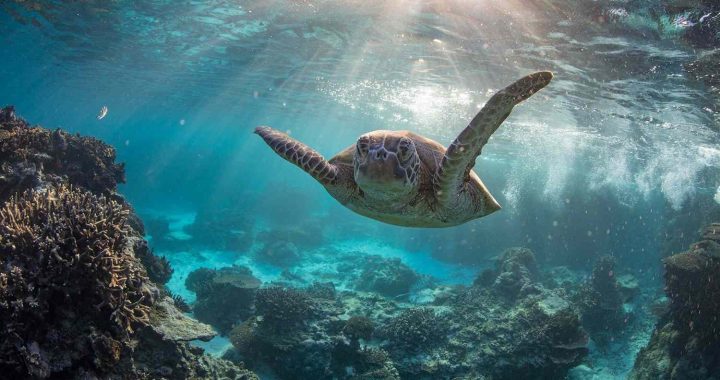

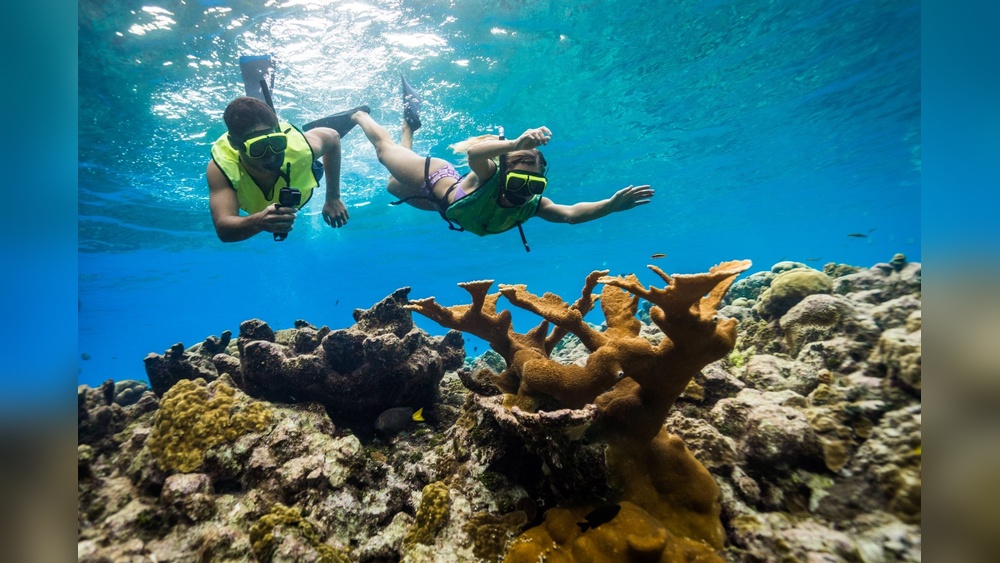
The Caribbean is famous for its turquoise water, white beaches, and vibrant marine life. Snorkeling in this region feels like swimming in an underwater paradise. Whether you are a beginner or have snorkeled before, the Caribbean offers some of the world’s best spots to see colorful fish, coral reefs, and even sea turtles.
This guide will help you discover the top places to snorkel, practical tips, and how to make the most of your underwater adventure.
Why The Caribbean Is A Snorkeler’s Dream
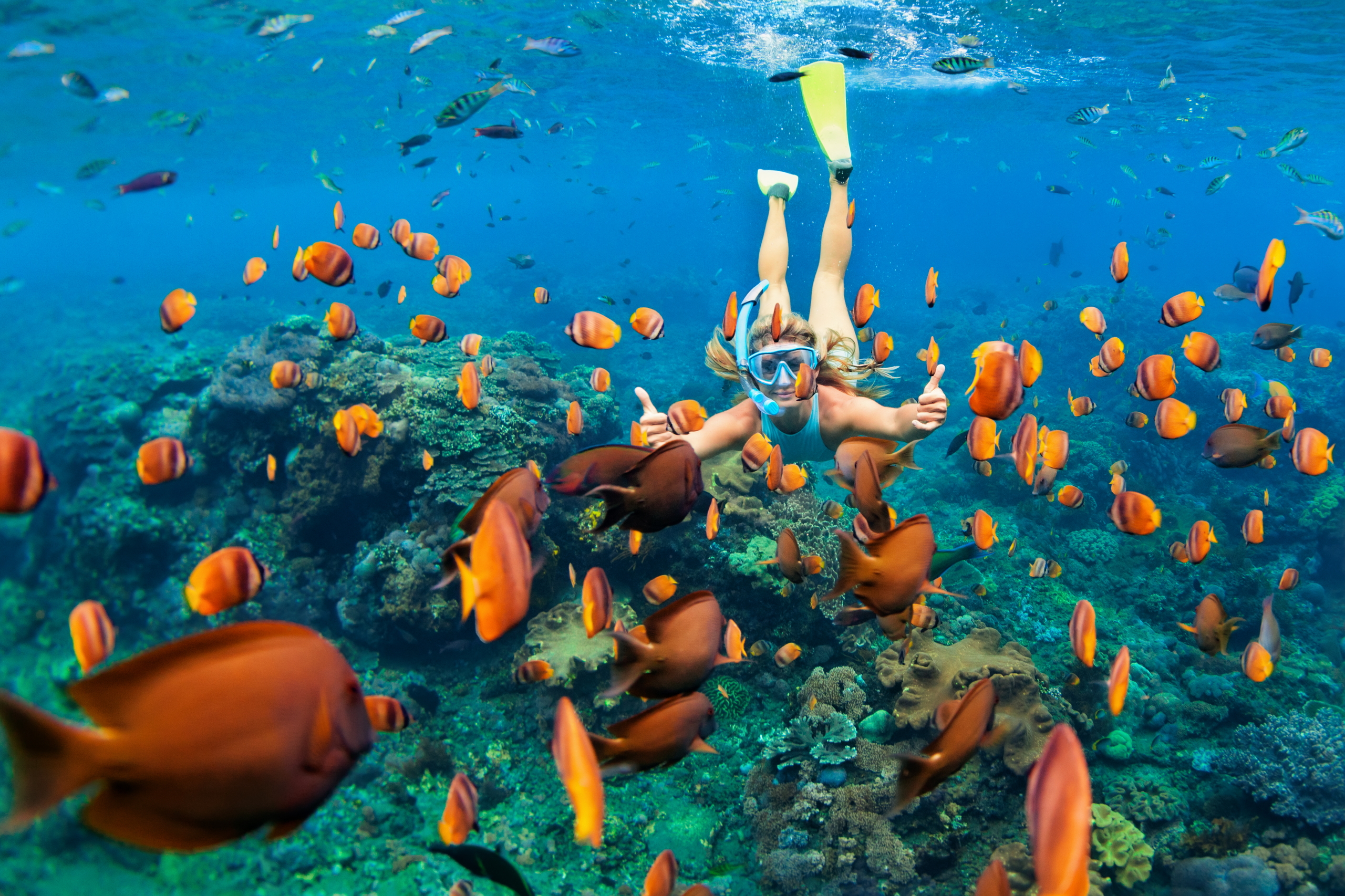
Warm water, clear visibility, and rich marine biodiversity make the Caribbean perfect for snorkeling. Most islands have protected reefs close to the shore, so you don’t need to be an expert swimmer. The region hosts over 500 fish species and 70 kinds of coral.
Some locations even have shipwrecks or unique underwater landscapes. You can visit year-round, but the best months are December to April for calm seas.
Top 10 Places To Snorkel In The Caribbean
Every island has its own charm, but these destinations are known for their outstanding snorkeling experiences. Let’s explore what makes each spot special.
1. Cayman Islands – Stingray City
Stingray City in the Grand Cayman is world-famous. Here, you can swim with dozens of gentle stingrays in shallow water, usually 3-5 feet deep. The rays are used to humans and glide right up to you. Besides rays, you’ll see vibrant fish and soft corals.
- Visibility: Up to 100 feet
- Best time: Morning, before crowds arrive
- Tip: Bring an underwater camera for close-up ray photos
2. Bonaire – Klein Bonaire
Bonaire is often called the “shore diving capital,” but its snorkeling is just as impressive. Klein Bonaire, a small island off the coast, offers easy access to pristine reefs. The water is calm, and you can spot parrotfish, sea turtles, and sometimes eagle rays.
- Marine Park: Protected since 1979
- Entry: Via water taxi from Bonaire
- Notable: Over 50 coral species
3. Bahamas – Exuma Cays Land And Sea Park
This protected park covers 176 square miles and is one of the most untouched spots in the Bahamas. The reefs are healthy, and you’ll see queen angelfish, lobster, and nurse sharks. The variety of locations means you can snorkel at beaches, caves, or even blue holes.
- No fishing: Ensures lots of marine life
- Tip: Try snorkeling at Warderick Wells Cay for clear, shallow water
4. St. Lucia – Anse Chastanet
The bay at Anse Chastanet is surrounded by volcanic cliffs and lush jungle. The reef starts just 10 feet from the shore, making it accessible for everyone. You’ll see trumpetfish, peacock flounder, and vibrant sponges.
- Depth: Ranges from 5 to 25 feet
- Unique: Black sand beach and dramatic scenery
- Best time: Early morning for fewer people
5. Aruba – Boca Catalina
Boca Catalina is a quiet bay with calm water and easy entry. It’s ideal for beginners and families. Schools of tropical fish gather near the rocks, and you may spot octopuses hiding in the sand. This spot is less crowded than other Aruba beaches.
- Visibility: Usually 70-80 feet
- Tip: Bring bread to attract fish (just a small amount)
- Nearby: Malmok Beach, also great for snorkeling
6. Turks And Caicos – Smith’s Reef
Smith’s Reef, near Grace Bay, is one of the best spots on Providenciales island. The reef is close to shore and has colorful coral gardens. You’ll find turtles, stingrays, and barracuda. There are several entry points, so you can explore different sections.
- Accessibility: Walk from the beach
- Best for: Intermediate snorkelers
- Bonus: Night snorkeling is possible here
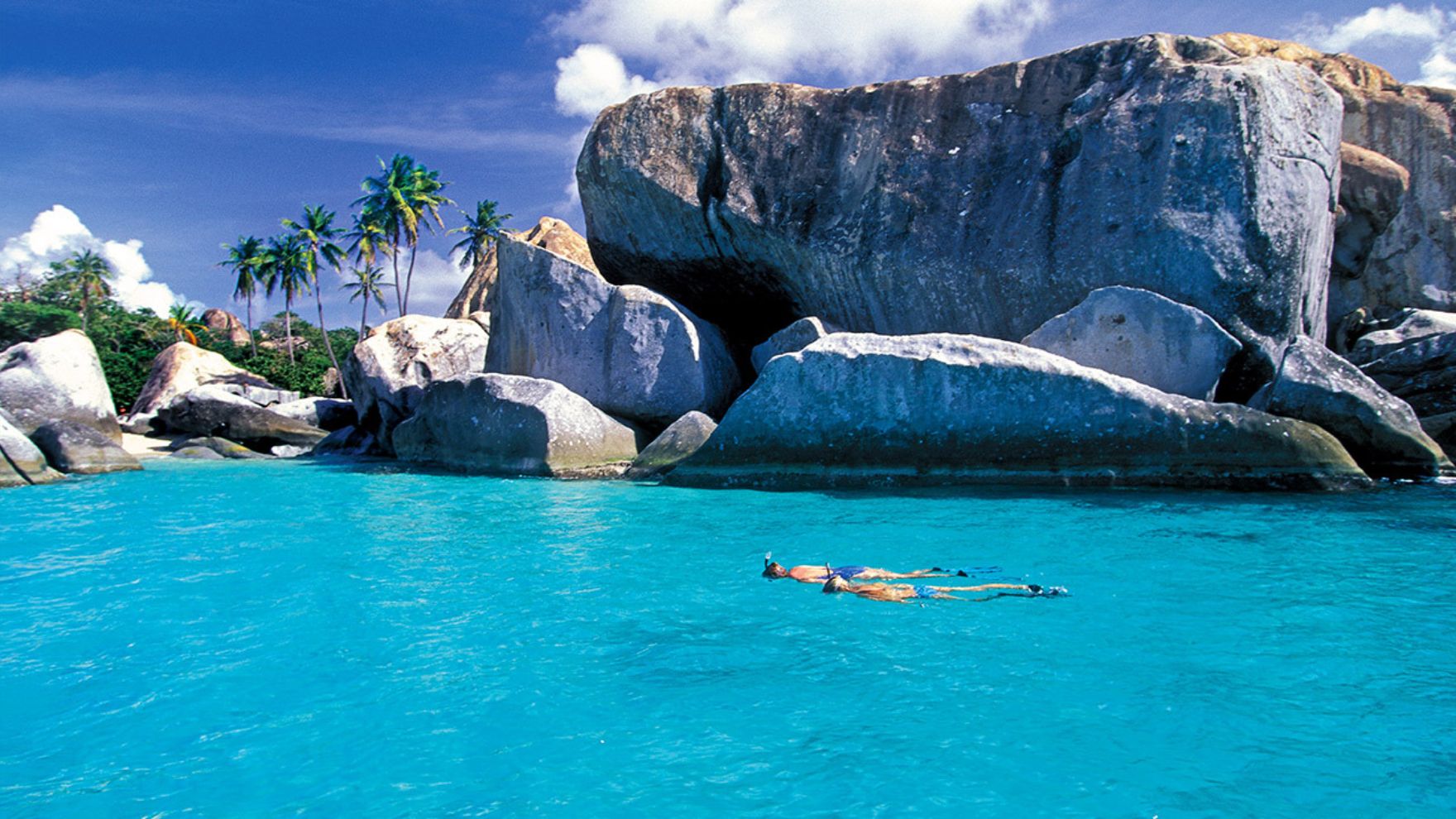
7. Us Virgin Islands – Trunk Bay
Trunk Bay, on St. John, is part of the Virgin Islands National Park. It features an underwater snorkeling trail with signs explaining the coral and fish. The water is crystal clear, and the bay is surrounded by forested hills.
- Length: 225 yards (snorkeling trail)
- Marine life: Sergeant majors, blue tangs, and more
- Facilities: Lifeguards, showers, and rentals
8. Jamaica – Montego Bay Marine Park
Montego Bay Marine Park protects reefs and mangroves along the coast. The water is warm, and reefs are home to snappers, wrasse, and sometimes dolphins. Doctor’s Cave Beach is a favorite spot, with entry just steps from the sand.
- Depth: Mostly shallow (5–15 feet)
- Unique: Underwater caves and sea grass beds
- Tip: Avoid weekends for fewer crowds
9. Puerto Rico – Vieques Island
Vieques, east of Puerto Rico, has some of the island’s most untouched reefs. Punta Arenas Beach offers calm water and lots of fish. You may see barracuda, starfish, and even manatees in some areas. The island’s bioluminescent bay is a bonus for night swimming.
- Best months: April to September
- Visibility: 60–90 feet
- Notable: Wild horses roam the beaches
10. Grenada – Flamingo Bay
Flamingo Bay is known for its soft coral gardens and vibrant fish. The reef starts close to shore and is protected from currents. You’ll see yellowtail snapper, sea fans, and sometimes hawksbill turtles. The bay is part of Grenada’s underwater park, which includes the famous underwater sculpture garden.
- Depth: 10–30 feet
- Tip: Combine with a visit to the sculpture garden
- Best for: All skill levels
Credit: www.carnival.com
Comparison Of Caribbean Snorkeling Spots
Here’s a quick look at important factors for each destination:
| Location | Marine Life | Accessibility | Best for |
|---|---|---|---|
| Cayman Islands | Stingrays, fish | Boat ride | All levels |
| Bonaire | Sea turtles, coral | Water taxi | Intermediate |
| Bahamas | Sharks, lobster | Multiple sites | Advanced |
| St. Lucia | Trumpetfish, sponges | Walk-in | Beginners |
| Aruba | Octopus, tropical fish | Walk-in | Families |
| Turks and Caicos | Turtles, barracuda | Walk-in | Intermediate |
| US Virgin Islands | Sergeant majors, tangs | Walk-in | All levels |
| Jamaica | Snappers, dolphins | Walk-in | All levels |
| Puerto Rico | Barracuda, manatees | Walk-in | Intermediate |
| Grenada | Turtles, sea fans | Boat ride | All levels |
How To Choose The Best Caribbean Snorkeling Spot
Picking the right location depends on several factors:
- Skill Level: Some spots are easy for beginners (Aruba, St. Lucia), while others are better for advanced snorkelers (Bahamas, Bonaire).
- Marine Life: Decide if you want to see rays, turtles, or coral gardens.
- Accessibility: Some places require a boat ride, others you can walk straight in.
- Crowds: Some beaches are very popular. If you prefer quiet, try lesser-known bays or visit early in the day.
Compare your needs with this summary:
| Preference | Recommended Location |
|---|---|
| Best for beginners | St. Lucia, Aruba |
| Richest marine life | Bahamas, Bonaire |
| Family-friendly | Aruba, US Virgin Islands |
| Unique experiences | Cayman Islands, Grenada |
| Quiet beaches | Turks and Caicos, Vieques (Puerto Rico) |
Credit: seadream.com
Practical Snorkeling Tips For The Caribbean
A great snorkeling experience depends not only on the location but also on preparation. Here are important tips:
- Check Weather: Strong winds or rain can reduce visibility.
- Use Reef-Safe Sunscreen: Protect your skin and the coral.
- Bring Proper Gear: Mask, snorkel, fins, and a rash guard. Renting is possible at most spots, but personal gear fits better.
- Respect Wildlife: Never touch coral or animals. Many creatures are fragile.
- Stay Aware: Watch for currents, especially near reef edges.
- Hydrate and Rest: Snorkeling can be tiring, so drink water and take breaks.
- Time Your Visit: Early morning gives the best light and fewer people.
Many beginners forget to test their mask before entering the water. A leaking mask can ruin the experience. Also, always check water depth—some Caribbean reefs drop off suddenly.
Common Mistakes To Avoid
Even experienced snorkelers make errors in the Caribbean:
- Ignoring Local Advice: Guides know the safest spots and where to see the best marine life.
- Swimming Too Far: Stay close to shore unless you’re confident and have a buddy.
- Overusing Sunscreen: Too much sunscreen can cloud your mask and harm coral.
- Touching Coral: Even gentle contact can damage reefs.
A non-obvious insight: Caribbean currents can change quickly. If you see sand moving underwater, it’s a sign the current is picking up. Move to shallower water if unsure.
Snorkeling Safety
Safety is important, especially for non-native English speakers who may not understand all local signs. Here’s what to remember:
- Buddy System: Always snorkel with someone.
- Stay Visible: Wear bright colors and stay inside marked areas.
- Know Your Limits: If you feel tired, return to shore.
- Watch for Boats: Some places have boat traffic close to snorkeling areas.
Most Caribbean islands have lifeguards at popular beaches, but not all. If snorkeling in remote areas, tell someone your plans.
Eco-friendly Snorkeling
Protecting the Caribbean’s reefs is important. Follow these tips:
- Don’t Feed Fish: It changes their natural behavior.
- Avoid Standing on Coral: Even soft touch damages reefs.
- Pick Up Trash: If you see litter, bring it back to shore.
- Choose Eco-Tours: Many operators focus on reef conservation.
For more about reef protection, check Wikipedia’s coral reef guide.
Credit: www.barcelo.com
Frequently Asked Questions
What Is The Best Time Of Year To Snorkel In The Caribbean?
The best time is December to April. Seas are calm, water is clear, and there are fewer storms. However, snorkeling is possible all year due to the warm climate.
Is Snorkeling Safe For Beginners In The Caribbean?
Yes. Many beaches have gentle waves and shallow reefs. Choose spots with lifeguards and easy access, like Aruba or St. Lucia. Always snorkel with a buddy and check local conditions.
Do I Need To Bring My Own Snorkeling Gear?
You can rent gear at most beaches and resorts, but having your own mask and snorkel ensures the best fit. Bring a rash guard for sun protection. Fins are useful but not always needed in shallow water.
Can I See Sea Turtles While Snorkeling?
Yes, sea turtles are common in Bonaire, Turks and Caicos, and Grenada. Early morning is the best time. Avoid chasing or touching them—they are protected animals.
Are There Eco-friendly Snorkeling Tours In The Caribbean?
Many islands offer eco-tours focused on reef conservation and education. Operators often use reef-safe boats and teach guests how to protect marine life. Ask about eco-certification when booking.
Snorkeling in the Caribbean brings you close to nature’s beauty, from shimmering fish to glowing coral. With the right spot, gear, and respect for the environment, you’ll create memories that last a lifetime. The region’s diversity means there’s a perfect place for every type of snorkeler—whether you seek adventure, relaxation, or family fun.
Dive in and discover your own underwater paradise.