
Norway feels like a living postcard. Its landscapes stretch from deep blue fjords to high snow-capped peaks, with vibrant cities and quiet fishing villages in between. Every season paints a new picture: summer’s midnight sun, autumn’s bright colors, winter’s northern lights, and spring’s waterfalls. Travelers come for adventure, peace, or to see something they cannot find anywhere else. But with so much to choose from, how do you find the best places in Norway? This guide highlights the most stunning destinations, from world-famous natural wonders to hidden gems, so you can make your own unforgettable journey through this remarkable country.
Oslo: The Vibrant Capital
Oslo is more than just Norway’s biggest city. It’s a place where urban life meets nature. You can walk along the waterfront, explore green parks, or dive into world-class museums.
- Vigeland Sculpture Park: Filled with over 200 sculptures, this park is both strange and beautiful. Each figure shows human emotions in a unique way.
- The Munch Museum: Home to Edvard Munch’s famous painting, “The Scream,” and many other works.
- Akershus Fortress: A medieval castle offering great views of the Oslofjord.
- Oslo Opera House: Its modern design invites you to walk on the roof and enjoy the city skyline.
A practical tip: Oslo’s public transport is excellent. One ticket covers buses, trams, and ferries, making it easy to reach all corners of the city.
Bergen: Gateway To The Fjords
Bergen, often called the “Gateway to the Fjords,” is famous for its colorful old houses and mountain backdrop. The city is a starting point for many fjord adventures.
- Bryggen Wharf: This UNESCO World Heritage site features wooden buildings from the Hanseatic era. Walk the narrow alleys to feel the city’s history.
- Fløibanen Funicular: In just a few minutes, this train takes you to the top of Mount Fløyen. The view over Bergen and the nearby islands is breathtaking.
- Fish Market: Try fresh seafood, like salmon or shrimp, or sample local delicacies such as “rakfisk” (fermented fish).
Bergen’s weather changes quickly—locals say you can experience all four seasons in one day. Bring a light rain jacket, even in summer.
Lofoten Islands: Arctic Beauty
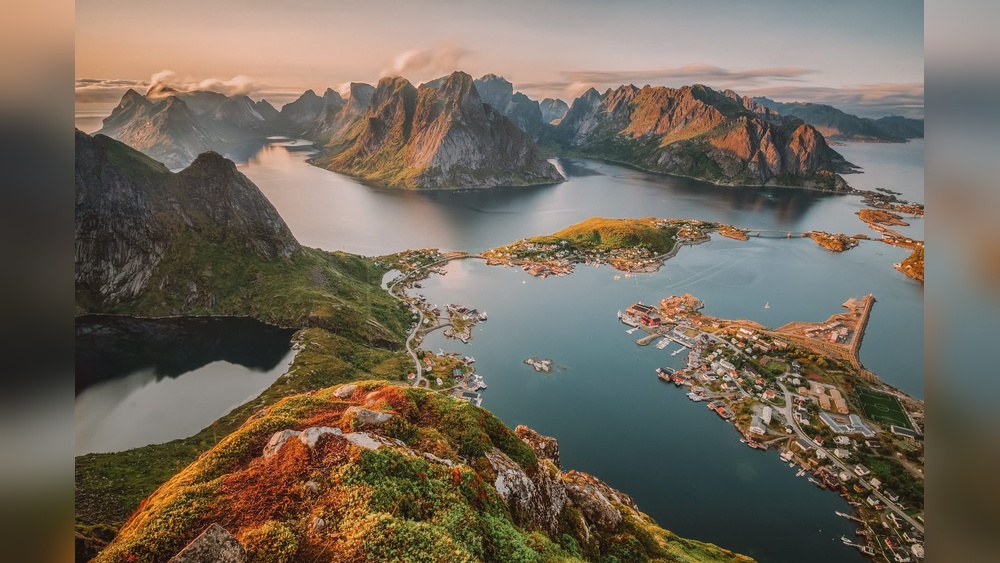
The Lofoten Islands are unlike anywhere else in Norway. With sharp mountains rising straight from the sea, white-sand beaches, and traditional fishing villages, the scenery is unforgettable.
- Reine: This tiny village is one of Norway’s most photographed spots, especially at sunrise or sunset.
- Hiking: Trails like Reinebringen offer panoramic views, but the climb is steep and can be slippery—good shoes are a must.
- Northern Lights: From September to April, the dark skies often light up with green auroras.
- Kayaking and Fishing: The islands are perfect for outdoor activities, whether you want to paddle between rocky islands or try catching cod.
Lofoten’s weather is milder than you might expect because of the Gulf Stream, but it’s still unpredictable. Always check the forecast before heading out.
Geirangerfjord: Norway’s Iconic Fjord
Geirangerfjord is often listed among the most beautiful fjords in the world. Steep cliffs, lush green hills, and powerful waterfalls make it a must-see.
Key highlights:
- Seven Sisters Waterfall: Seven streams drop side by side into the fjord, creating a magical scene.
- Fjord Cruises: Boats run from Geiranger village and give you the best views.
- Eagle Road (Ørnevegen): This winding road climbs above the fjord, offering one of the best viewpoints.
Unseen insight: Early morning cruises are less crowded and the light makes the fjord look even more dramatic.
Tromsø: Arctic Gateway And Northern Lights
Tromsø lies well above the Arctic Circle. In winter, it’s one of the world’s best places to see the northern lights. In summer, the sun never sets for weeks.
- Arctic Cathedral: This modern church is famous for its striking design and stained-glass windows.
- Fjellheisen Cable Car: Ride to the top of Mount Storsteinen for a sweeping view of Tromsø and the surrounding islands.
- Polaria: An arctic experience center with an aquarium and films about Svalbard and the polar region.
Tromsø is also a hub for whale watching, snowshoeing, and dog sledding in winter.
Stavanger And Preikestolen: The Pulpit Rock
Stavanger is a lively coastal city, but most people come here to hike to Preikestolen (Pulpit Rock).
- Preikestolen: A flat-topped cliff 604 meters above Lysefjord. The hike is about 8 kilometers round-trip and takes 4-5 hours. The view from the top is simply stunning.
- Stavanger Old Town (Gamle Stavanger): The best-preserved wooden house settlement in Northern Europe.
- Norwegian Petroleum Museum: Learn how oil shaped modern Norway, with fun exhibits for families.
Safety tip: The hike to Preikestolen has no railings. It’s best avoided in bad weather or when it’s icy.

Credit: handluggageonly.co.uk
Ålesund: Art Nouveau By The Sea
After a fire in 1904, Ålesund was rebuilt in the Art Nouveau style. Today, it’s one of Norway’s most beautiful small cities.
- Aksla Viewpoint: Climb 418 steps to see the city’s colorful buildings and islands.
- Jugendstil Center: Learn about the Art Nouveau movement.
- Nearby Islands: Take a boat to explore quiet fishing villages or hike on the island of Godøy.
Ålesund is also a gateway to the Sunnmøre Alps, which offer dramatic hiking and skiing.
Svalbard: The Edge Of The World
Halfway between Norway and the North Pole, Svalbard is a land of glaciers, polar bears, and midnight sun.
- Longyearbyen: The world’s northernmost town, with cozy cafes and museums.
- Wildlife Safaris: Join a guided tour to see polar bears, arctic foxes, and reindeer (never go alone—polar bears are dangerous).
- Glacier Hikes and Ice Caving: Explore the frozen landscape in summer or winter.
Svalbard has strict rules to protect its fragile nature. Always follow your guide’s advice.

Credit: www.motorhomenorway.com
Trondheim: Historic Heart Of Norway
Trondheim blends old and new. It was once the country’s capital and remains an important student city.
- Nidaros Cathedral: Scandinavia’s largest medieval building, and a site of pilgrimage.
- Bakklandet: A charming neighborhood with wooden houses and cafes along the river.
- Kristiansten Fortress: Offers sweeping city views.
Fun fact: Trondheim is where the world’s first bicycle lift, “Trampe,” helps cyclists up a steep hill.
Flam And The Flåm Railway
Flam is a tiny village at the end of Aurlandsfjord, but it’s world-famous thanks to the scenic Flåm Railway.
- Flåm Railway: One of the world’s steepest train lines, it climbs 866 meters in just 20 kilometers. The journey passes waterfalls, tunnels, and wild mountain scenery.
- Stegastein Viewpoint: A platform that juts out over the fjord with thrilling views.
- Fjord Cruises: Boat trips between Flåm and Gudvangen reveal narrow sections and dramatic cliffs.
The railway is popular in both summer and winter, but tickets often sell out early.
The Atlantic Road
Often called the world’s most beautiful drive, the Atlantic Road connects a series of islands with dramatic bridges.
- Length: About 8 kilometers, but packed with amazing views.
- Storseisundet Bridge: Its curved shape makes it look like a “road to nowhere.”
- Fishing and Wildlife: This area is great for sea fishing, bird watching, and spotting seals.
Tip: Stormy days are exciting here. Waves often crash over the road, making it a favorite for photographers.
Jotunheimen National Park
Home to Norway’s highest mountains, Jotunheimen is a paradise for hikers and climbers.
- Galdhøpiggen: At 2,469 meters, it’s Norway’s tallest peak. Guided glacier hikes are available.
- Besseggen Ridge: One of Norway’s most famous hikes, with views over blue and green lakes.
- Cabin-to-cabin hiking: Well-marked trails and cozy mountain lodges make multi-day trips easy.
Hidden insight: Even in summer, snow can cover some trails. Pack warm clothes and check conditions.
Røros: Timber Town In The Mountains
Røros is a UNESCO World Heritage site known for its wooden buildings and mining history.
- Old Town: Wander cobbled streets lined with colorful 17th-century houses.
- Røros Church: A landmark in the city skyline.
- Winter Festival: In February, the town comes alive with traditional music, food, and horse-drawn sleighs.
Røros is also famous for local cheese and cured meats. Try these in small shops around town.
Comparison: Major Norwegian Cities
Here’s a quick look at how Norway’s main cities compare in population, climate, and famous sights.
| City | Population | Average Winter Temp (°C) | Main Attraction |
|---|---|---|---|
| Oslo | 700,000 | -4 | Vigeland Park, Munch Museum |
| Bergen | 285,000 | 2 | Bryggen, Fløibanen |
| Trondheim | 210,000 | -2 | Nidaros Cathedral |
| Stavanger | 145,000 | 2 | Preikestolen |

Credit: globalgrasshopper.com
Norway’s Top Natural Experiences
Nature is the heart of Norway’s magic. Here’s how some of the most famous natural experiences compare.
| Experience | Best Location | Best Time | Special Tip |
|---|---|---|---|
| Northern Lights | Tromsø, Lofoten | Sep–Mar | Check aurora forecasts daily |
| Midnight Sun | Svalbard, Nordkapp | May–Jul | Sleep mask is useful! |
| Fjord Cruises | Geirangerfjord, Nærøyfjord | May–Sep | Early morning = fewer crowds |
Two Often-missed Destinations
Even travelers who know Norway’s highlights often miss these:
- Senja: Norway’s second-largest island. Its landscape is like Lofoten, but it’s quieter and less crowded. Steep mountains, hidden beaches, and charming villages like Hamn make Senja a hidden treasure.
- Rondane National Park: Norway’s oldest national park. It’s perfect for peaceful hikes among rounded peaks and quiet valleys. Moose and reindeer are often seen here.
Both offer a deeper sense of Norway’s wild beauty, away from the tourist crowds.
Key Travel Tips For Norway
- Weather: Norway’s weather can change quickly. Always bring layers and a rain jacket, even in summer.
- Transport: Trains, ferries, and buses are reliable and scenic. Booking ahead is smart, especially in high season.
- Money: Norway is cashless in many places. Credit and debit cards are accepted almost everywhere.
- Language: Most Norwegians speak good English, but learning a few basic Norwegian words is appreciated.
- Responsible Travel: Nature is precious here. Follow “allemannsretten”—the right to roam, but always take your trash and respect wildlife.
Frequently Asked Questions
What Is The Best Time To Visit Norway?
The best time depends on what you want to see. For northern lights, visit from September to March. For midnight sun and hiking, May to July is ideal. Fjord cruises are best from May to September.
Do I Need A Car To Explore Norway?
No, but having a car gives you more freedom, especially in remote areas. Public transport is excellent in cities and on main routes. Some places, like Lofoten or Senja, are easier by car.
Is Norway Very Expensive To Visit?
Yes, Norway is one of Europe’s pricier countries. Eating out, hotels, and activities can cost more than in other places. Save money by using public transport, buying food in supermarkets, and looking for free activities.
Can I See The Northern Lights In Oslo Or Bergen?
It’s rare. The northern lights are best seen above the Arctic Circle, in places like Tromsø or Lofoten. In Oslo or Bergen, chances are very low because of latitude and light pollution.
Where Can I Find More Travel Information About Norway?
The official Visit Norway website has up-to-date tips, maps, and inspiration for planning your trip.
Norway’s landscapes and cities offer something for every traveler. Whether you want to climb a mountain, cruise a deep fjord, or just enjoy a cup of coffee by a quiet harbor, you’ll find your perfect place in this remarkable country.