
The Caribbean is famous for its crystal-clear waters, vibrant coral reefs, and diverse marine life. For scuba divers, it’s a dream come true. The region offers hundreds of dive sites, each with its own unique charm. Whether you’re a beginner or an expert, there’s something magical waiting beneath the surface. This guide explores the best places for scuba diving in the Caribbean, highlighting what makes each location special, sharing practical tips, and offering insights many first-time visitors miss.
Why The Caribbean Is A Top Dive Destination
The Caribbean’s warm waters and excellent visibility make it ideal for scuba diving. Most sites offer water temperatures between 77°F and 84°F (25°C to 29°C) year-round. Visibility often exceeds 100 feet (30 meters), so divers can see vibrant marine life and colorful coral gardens clearly.
One non-obvious advantage is the region’s variety of underwater landscapes. You’ll find everything from shipwrecks to vertical walls, underwater caves, and gentle reefs. Many islands also have easy access to shallow spots, perfect for new divers.
Best Places For Scuba Diving In The Caribbean
1. Bonaire
Bonaire is known as the shore diving capital of the Caribbean. The island’s reef runs almost the entire west coast, and most sites are accessible right from the beach. Bonaire is part of the Dutch Caribbean, and it’s famous for strict conservation laws. This means the coral and fish populations are healthy and abundant.
- Notable sites: 1000 Steps, Salt Pier, Hilma Hooker (wreck)
- Marine life: Parrotfish, turtles, eagle rays, seahorses
- Visibility: Often 100+ feet
One tip: Rent a truck and drive to different shore sites. You don’t need a boat, which saves money and lets you dive at your own pace.
2. Cayman Islands
The Cayman Islands are divided into Grand Cayman, Cayman Brac, and Little Cayman. Each island offers unique experiences, but Bloody Bay Wall in Little Cayman is often named one of the best wall dives in the world.
- Notable sites: Bloody Bay Wall, USS Kittiwake (wreck), Devil’s Grotto
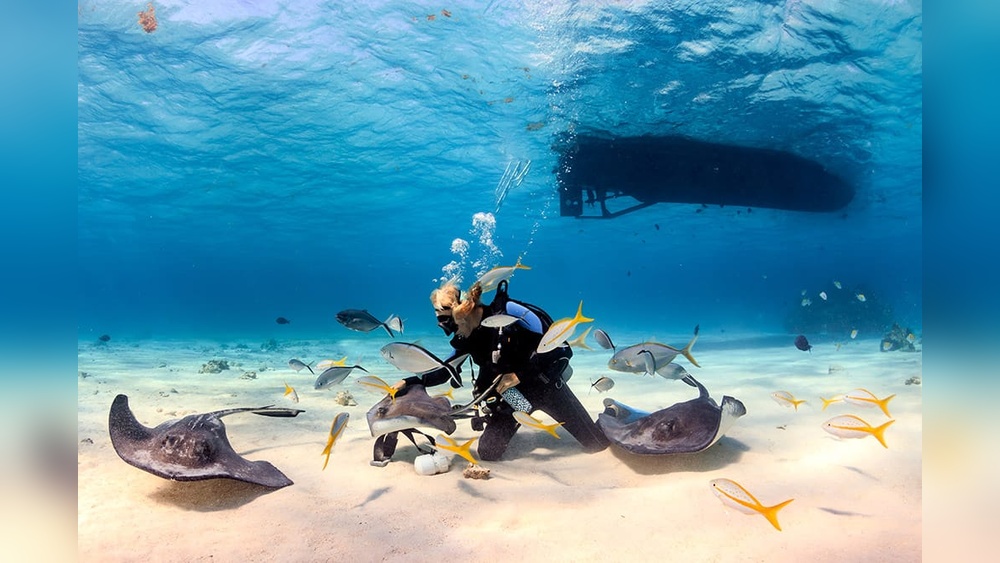
- Marine life: Reef sharks, stingrays, groupers, tarpon
- Visibility: 80–100 feet
Grand Cayman is perfect for beginners, while Little Cayman is more remote and suited for experienced divers. Cayman Brac has several shipwrecks. One non-obvious insight: Night dives here reveal bioluminescent creatures, which are rarely seen during the day.
3. Cozumel, Mexico
Cozumel is technically part of Mexico, but its location in the Caribbean Sea makes it a top pick. Cozumel’s reefs are part of the Mesoamerican Barrier Reef, the second-largest in the world.
- Notable sites: Palancar Reef, Santa Rosa Wall, Punta Sur
- Marine life: Nurse sharks, moray eels, turtles, massive sponges
- Visibility: 100+ feet
Drift diving is the main style here because of strong currents. This means you float effortlessly over the reef while fish and coral pass by. Cozumel’s reefs are also known for their huge barrel sponges and colorful coral formations.
4. Turks And Caicos
Turks and Caicos offer some of the Caribbean’s deepest wall dives. The islands are surrounded by marine parks, so the reefs are well protected.
- Notable sites: French Cay, The Wall, Grace Bay
- Marine life: Hammerhead sharks, dolphins, eagle rays
- Visibility: Up to 120 feet
Many sites are only accessible by boat, so plan for organized dives. Advanced divers love the deep walls, but there are shallow reefs for beginners too.
5. Bahamas
The Bahamas have more than 700 islands, offering endless possibilities. The country is famous for shark diving, especially with Caribbean reef sharks and hammerheads.
- Notable sites: Tiger Beach, Andros Barrier Reef, Blue Hole
- Marine life: Sharks (many species), turtles, grouper, tropical fish
- Visibility: 80–100 feet
Tiger Beach is world-famous for safe, close-up encounters with tiger sharks. Andros Island has the third-largest barrier reef on earth. For those looking for something different, the Bahamas also feature blue holes—vertical underwater caves.
6. Saint Lucia
Saint Lucia combines beautiful landscapes with healthy reefs. The island’s famous Pitons rise above the water and continue below, creating dramatic underwater walls.
- Notable sites: Anse Chastanet, Superman’s Flight, Coral Gardens
- Marine life: Lobster, frogfish, turtles, schooling fish
- Visibility: 60–80 feet
Superman’s Flight is named after a scene in the movie Superman II. It’s a drift dive along a steep wall, with strong currents. Don’t miss the shallow reefs near Anse Chastanet, which are excellent for photography.
7. Aruba
Aruba is known for its shipwrecks, especially the Antilla, one of the largest wrecks in the Caribbean. The island’s reefs are smaller but still full of life.
- Notable sites: Antilla (wreck), Pedernales (wreck), Arashi Reef
- Marine life: Octopus, barracuda, sea turtles
- Visibility: 60–90 feet
Aruba’s waters are generally calm, so it’s a good place for beginners. Wreck dives are popular, and many sites are close to shore.
8. Grenada
Grenada is called the “Wreck Diving Capital” of the Caribbean. It’s home to the Bianca C, a cruise ship wreck over 600 feet long.
- Notable sites: Bianca C, Molinere Underwater Sculpture Park, Flamingo Bay
- Marine life: Seahorses, batfish, barracuda, moray eels
- Visibility: 60–100 feet
The underwater sculpture park is a must-see. It’s a collection of human-shaped statues covered in coral and sponges, creating a unique habitat.
9. Roatán, Honduras
Roatán is part of the Bay Islands and sits on the Mesoamerican Reef. It’s known for affordable diving and friendly locals.
- Notable sites: Mary’s Place, Spooky Channel, West End Wall
- Marine life: Whale sharks, turtles, colorful reef fish
- Visibility: 80–120 feet
Roatán is one of the few places where you can see whale sharks almost year-round. The island also offers great deals for certification courses.
10. Saba
Saba is a small, volcanic island often overlooked by tourists. Its underwater landscape features dramatic pinnacles—towering rock formations rising from the deep.
- Notable sites: The Pinnacles, Tent Reef, Ladder Bay
- Marine life: Sharks, turtles, jacks, nudibranchs
- Visibility: 70–100 feet
Saba’s diving is best suited for intermediate to advanced divers. The island is committed to conservation, so reefs are pristine.

Credit: www.divelogs.com
Comparing Caribbean Dive Destinations
To help you choose, here’s a quick comparison of visibility, marine life, and accessibility among the top spots:
| Destination | Visibility | Marine Life | Shore Access |
|---|---|---|---|
| Bonaire | 100+ ft | Turtles, rays, seahorses | Easy |
| Cayman Islands | 80–100 ft | Sharks, rays, tarpon | Moderate |
| Cozumel | 100+ ft | Nurse sharks, sponges | Limited |
| Bahamas | 80–100 ft | Sharks, turtles | Moderate |
| Saint Lucia | 60–80 ft | Frogfish, lobster | Easy |
Unique Experiences You Shouldn’t Miss
Some Caribbean dive sites offer special experiences that you won’t find elsewhere.
- Wreck diving in Aruba and Grenada: Explore massive shipwrecks covered in coral.
- Shark encounters in Bahamas: Dive safely with tiger sharks at Tiger Beach.
- Underwater sculpture park in Grenada: See art and marine life combine.
- Whale sharks in Roatán: Swim alongside the largest fish in the sea.
- Pinnacle diving in Saba: Descend along volcanic rocks into the deep blue.
Many beginners miss the chance to try night diving. At night, the reefs come alive with different creatures and glowing coral. Always ask your local dive shop about night dives.
Best Time To Dive In The Caribbean
The Caribbean is a year-round destination, but the dry season (December to May) offers the calmest seas and best visibility. Hurricane season runs from June to November, so check weather forecasts before booking. Water temperatures stay warm all year, but some islands are quieter during the off-season, which means smaller crowds and lower prices.
| Month | Water Temp | Visibility | Crowds |
|---|---|---|---|
| January–March | 78–80°F | Excellent | High |
| April–June | 80–82°F | Good | Medium |
| July–November | 82–84°F | Variable | Low |
| December | 78–80°F | Excellent | Medium |
Tips For First-time Caribbean Divers
- Choose your destination based on skill level. Some sites are beginner-friendly, while others require experience.
- Book dives in advance during peak season. Popular islands fill up quickly.
- Bring your own mask and snorkel. Rental gear varies in quality.
- Check local conservation rules. Some islands, like Bonaire, require marine park permits.
- Take a refresher course if you haven’t dived recently. Caribbean currents and walls can be challenging.
- Watch for hidden costs. Some resorts charge extra for boat dives or equipment rental.
A common mistake is ignoring local advice about currents. Always listen to dive guides—they know the safest routes and best times to dive.
Credit: es.ncl.com
Safety And Conservation In Caribbean Diving
Conservation is a priority on many islands. Bonaire, Saba, and parts of the Cayman Islands are marine protected areas. Divers must follow rules to avoid damaging coral and disturbing wildlife.
Always practice responsible diving:
- Don’t touch coral or marine animals.
- Maintain buoyancy to avoid kicking reefs.
- Use reef-safe sunscreen.
- Take only pictures, leave only bubbles.
For reliable information about marine parks and conservation, visit the official website of the Bonaire National Marine Park.
What Makes Each Island Unique
No two Caribbean islands offer the same underwater experience. Bonaire is famous for shore diving, while the Bahamas stand out for shark encounters. Cozumel offers drift diving over huge reefs, and Grenada is unmatched for shipwrecks. Saba’s pinnacles are rare and dramatic, and Saint Lucia’s underwater walls follow the iconic Pitons.
Here’s a quick summary:
| Island | Unique Feature | Best For |
|---|---|---|
| Bonaire | Shore diving | Independent divers |
| Bahamas | Shark encounters | Adventure seekers |
| Cozumel | Drift diving | Experienced divers |
| Grenada | Wreck diving | Explorers |
| Saba | Pinnacle dives | Advanced divers |
:max_bytes(150000):strip_icc()/TAL-turtle-bonaire-SCUBABONAIRE0225-5d989b036dd44bd5960d3d302f0c553f.jpg "Best Places for Scuba Diving in the Caribbean: Top Spots Revealed 3")
Credit: www.travelandleisure.com
Frequently Asked Questions
What Is The Best Caribbean Island For Beginner Divers?
Bonaire is often considered the best for beginners because most sites are accessible from shore and currents are mild. Aruba and Grand Cayman also offer calm, shallow reefs suitable for new divers.
Do I Need A Certification To Dive In The Caribbean?
Yes, you need at least an Open Water Diver certification from PADI, SSI, or a similar agency. If you’re not certified, many islands offer quick “Discover Scuba” experiences with instructors.
Is Scuba Diving Safe In The Caribbean?
Scuba diving is generally safe as long as you follow local guidelines, use proper equipment, and dive within your limits. Always check weather conditions and listen to dive briefings.
When Is Hurricane Season In The Caribbean?
Hurricane season runs from June to November. While diving is possible during this time, it’s wise to monitor weather forecasts and consider travel insurance for cancellations.
What Marine Life Can I Expect To See?
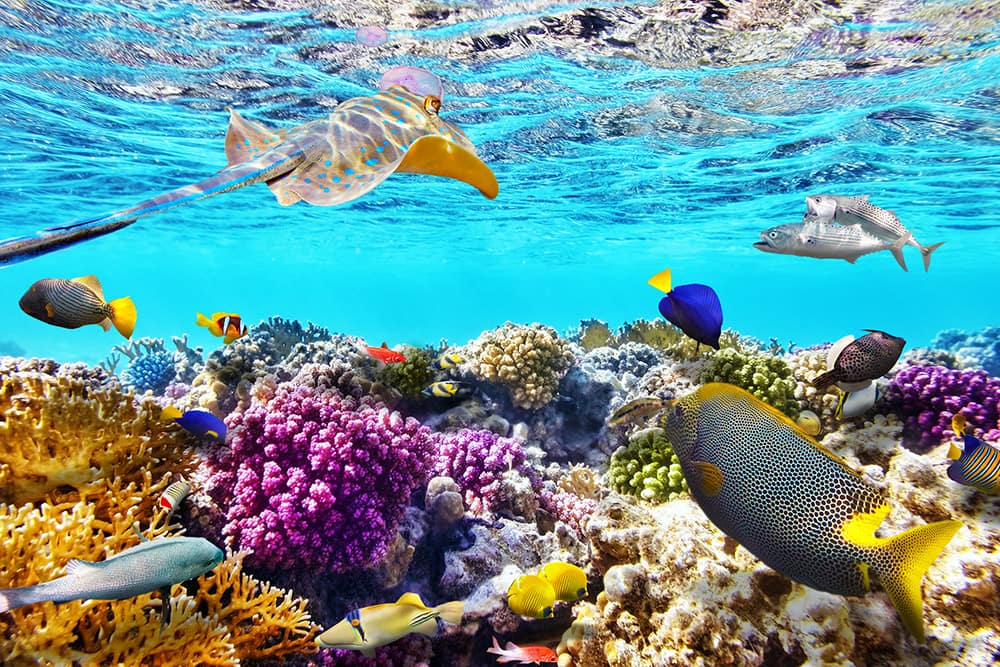
You can see turtles, sharks, rays, colorful reef fish, sponges, and coral. Some sites offer unique encounters, like whale sharks in Roatán or hammerheads in Turks and Caicos.
The Caribbean’s underwater world is full of surprises, beauty, and adventure. Whether you’re chasing shipwrecks, swimming with sharks, or exploring coral gardens, every island offers its own unique story. Plan carefully, dive responsibly, and you’ll discover why so many divers return year after year.