

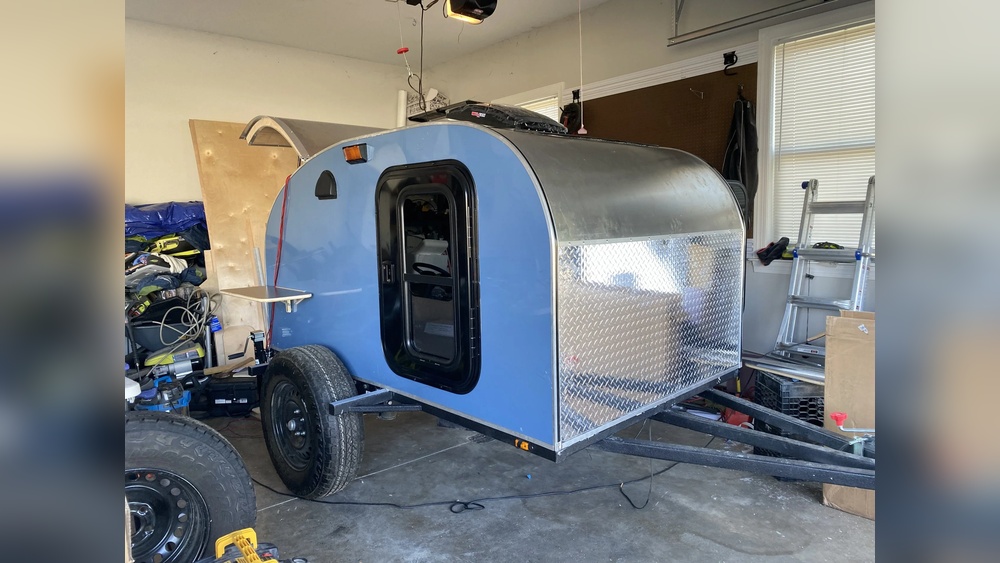
Building your own teardrop travel trailer is more than just a DIY project—it’s a way to create a custom mobile home for adventure. Teardrop trailers are small, lightweight, and easy to tow. They are perfect for solo travelers, couples, or families who want a simple, comfortable place to sleep. The process takes careful planning, some basic tools, and a clear step-by-step approach. Many people start with no trailer experience and end up with a unique camper that fits their needs exactly. In this guide, you’ll learn the essential steps, materials, and expert tips to build a teardrop trailer from scratch.
Planning Your Teardrop Trailer Build
The first step is understanding what you need from your trailer. Most teardrop trailers are about 4 feet wide, 8 feet long, and 4 feet tall. This size is big enough for sleeping two people comfortably, but small enough to tow with almost any car.
Think about these points:
- Budget: Typical costs range from $2,500 to $6,000 depending on materials and features.
- Weight: Finished trailers usually weigh between 800–1,200 pounds. Check your vehicle’s towing limit.
- Features: Decide if you want a galley kitchen, storage, electrical system, or insulation.
A good plan saves time and money. Draw your design on paper or use free software like SketchUp. Decide on door placement, windows, and storage. Research local laws for trailer registration and size limits.
Selecting Materials And Tools
Choosing the right materials affects the trailer’s durability and weight. Here’s what you’ll need:
Frame And Chassis
Most teardrop trailers use a steel frame for strength. You can buy a new utility trailer, use a used one, or weld your own.
| Frame Type | Pros | Cons |
|---|---|---|
| New Utility Trailer | Easy, reliable, no welding | Higher cost |
| Used Trailer | Cheaper, eco-friendly | May need repairs |
| Custom Welded Frame | Custom size, strong | Needs welding skills |
Body Materials
- Plywood (1/2″ or 3/4″) for walls and floor
- Aluminum sheet for roof or exterior
- Fiberglass for waterproofing (optional)
- Insulation foam for comfort
Tools Needed
- Circular saw
- Jigsaw
- Drill
- Clamps
- Screwdriver
- Measuring tape
Having quality tools makes the build smoother. Borrowing or renting can save money if you don’t own them.

Credit: www.amazon.com
Building The Trailer Base
Start with the trailer frame. If you buy a utility trailer, check for rust and repair any damage. For custom builds, weld the steel frame to size. Attach the axle, wheels, and hitch securely. The base must be level and strong.
Floor Construction
Lay down a sheet of plywood for the floor. Use pressure-treated wood for better durability. Seal the wood with waterproof paint or a rubberized coating to prevent rot. Bolt the floor to the frame every 12–16 inches for safety.
| Floor Material | Benefits | Common Pitfalls |
|---|---|---|
| Standard Plywood | Cheap, easy to work | Needs sealing |
| Pressure-Treated Plywood | Resists moisture | Heavier, costlier |
Creating The Teardrop Shape
The teardrop design is what makes these trailers attractive. Draw the side profile on plywood. Use a string and pencil to create smooth curves. Cut the shape with a jigsaw.
Assembly Tips
- Make two identical side walls
- Sand edges smooth
- Mark door and window openings before cutting
Attach the sides to the floor using wood glue and screws. Add a front bulkhead for strength. Beginners often skip reinforcing the corners—don’t make this mistake. Use metal brackets for extra support.
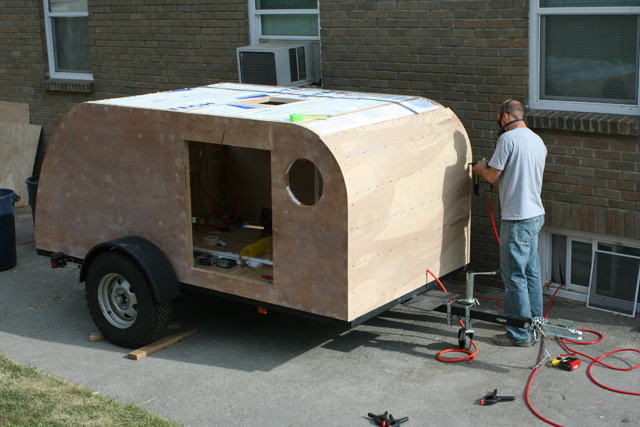
Framing The Roof And Adding Exterior Panels
The roof curves are tricky. Use thin plywood or flexible paneling for the roof frame. Bend the material slowly to avoid cracking.
Roof Assembly Steps
- Attach roof ribs every 12 inches along the trailer
- Secure ribs to the sides with screws
- Cover with thin plywood
- Seal joints with waterproof tape
For the exterior, aluminum sheet is popular because it is light and strong. Cut panels to size and secure with adhesive and screws. Seal all seams to keep water out.
Installing Doors, Windows, And Ventilation
Doors and windows are key for comfort and airflow. Buy RV doors or build your own from plywood. Use weather stripping to keep water and dust out.
Window Options
- Fixed windows: Easy, cheap, but no airflow
- Sliding windows: Allow ventilation, cost more
Don’t forget a roof vent. This prevents condensation and keeps the trailer fresh. Install an RV vent fan or a manual pop-up vent.

Credit: www.youtube.com
Building The Galley Kitchen
A teardrop trailer’s galley kitchen is usually at the rear. It’s a compact space for cooking and storage.
Galley Features
- Countertop for food prep
- Storage cabinets for utensils and food
- 12V fridge or cooler
- Sink (optional)
Measure the space carefully. Build the countertop from laminate or sealed wood. Use lightweight materials for shelves. Install latches to keep drawers closed while towing.
A common mistake is forgetting waterproofing. Always seal the galley area well, especially around the hatch.
Wiring And Electrical Setup
Many teardrop trailers have basic electrical systems. Decide if you want simple lights or more features like charging ports and fans.
Basic Electrical Needs
- 12V battery
- LED lights
- USB charging ports
- Fuse box
Plan wiring before building walls. Run cables through conduit to protect them. Use a marine-grade battery for longer life. Solar panels can be added for off-grid power.
| Electrical System | Features | Cost Estimate |
|---|---|---|
| Basic | Lights, USB ports | $150–$300 |
| Advanced | Fridge, fan, solar | $400–$800 |
Interior Finishing
Make the inside comfortable. Use foam mattress for sleeping. Cover walls with carpet, vinyl, or painted plywood. Add shelves and hooks for storage.
Comfort Tips
- Install LED lights for reading
- Use blackout curtains for privacy
- Add insulation to walls and roof for better temperature control
Beginners often forget about weight. Keep interiors light to avoid overloading the trailer.
Final Inspection And Testing
Before hitting the road, inspect everything:
- Check all bolts and screws
- Test lights and electrical
- Ensure doors and windows seal properly
- Inspect tires and hitch
Take your trailer for a short drive to check for rattles, leaks, or loose parts. Make adjustments as needed.
Credit: overlandtrailer.com
Registration And Safety
Register your trailer with your local DMV. You’ll need proof of build, weight, and safety features. Install safety chains, brake lights, and reflectors.
Safety Checklist
- Proper tire pressure
- Working lights
- Secure hitch and chains
- Emergency kit on board
Practical Advice For First-time Builders
Building a teardrop trailer is rewarding but can be challenging. Here are two insights that beginners often miss:
- Plan for storage: It’s easy to overlook small items like bedding, cooking tools, and clothes. Make sure you build enough storage.
- Weight balance: If your trailer is too heavy in the back, it will sway when towing. Place heavy items near the axle.
Take your time, and don’t rush. Ask for help on forums or watch video tutorials. Many builders find answers in the community or from sites like Teardrop Trailer Forums.
Frequently Asked Questions
How Long Does It Take To Build A Teardrop Trailer?
Most builds take 4 to 8 weeks if you work weekends and evenings. The timeline depends on your skills, tools, and design complexity.
What Is The Average Cost Of Building A Teardrop Trailer?
Expect to spend $2,500–$6,000. Costs vary based on materials, whether you buy or build the frame, and the features you include.
Can I Tow A Teardrop Trailer With A Small Car?
Yes. Most teardrop trailers weigh between 800–1,200 pounds. Check your car’s towing capacity, and ensure proper hitch installation.
Is Insulation Necessary In A Teardrop Trailer?
Insulation is not required, but it makes the trailer more comfortable in hot or cold weather. Many builders use foam board or spray foam for walls and roof.
Where Can I Find Teardrop Trailer Plans?
You can buy plans online or find free ones on forums and sites like Tiny House Talk. Make sure the plans match your skill level and local regulations.
Building your own teardrop travel trailer gives you freedom and control over your camping experience. With careful planning, the right materials, and patience, you’ll end up with a cozy, portable home perfect for adventure. The process teaches valuable skills and brings a sense of achievement.
Whether you use your trailer for weekend getaways or cross-country trips, you’ll enjoy the results of your hard work for years to come.