

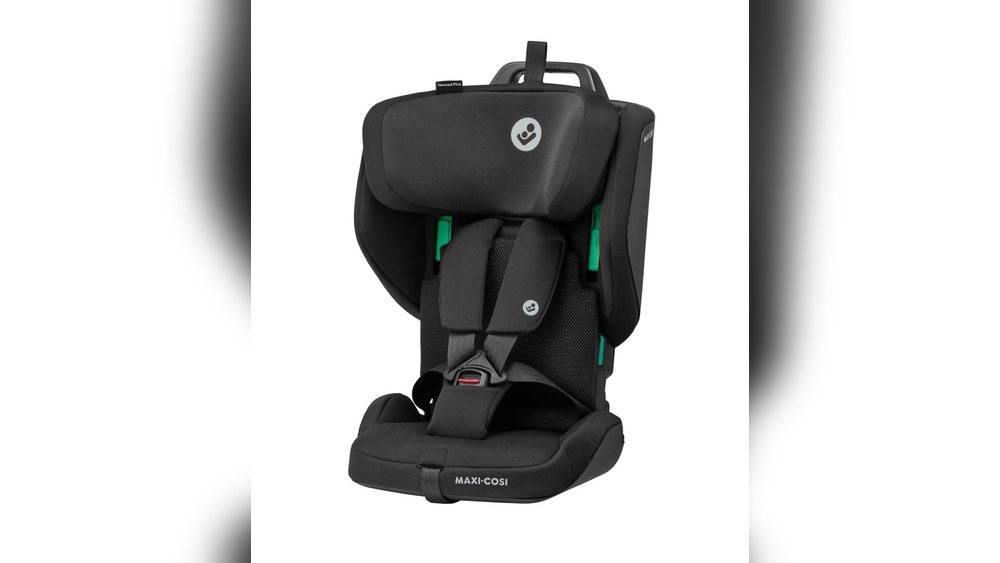
Traveling with young children requires extra planning, and nothing is more important than their safety. If you’re planning a trip and need to bring a car seat, you might feel overwhelmed by the details. From choosing the right seat to navigating airports, each step matters. With the right approach, you can travel confidently and keep your child safe and comfortable. This guide covers everything you need to know about how to travel with a car seat, offering expert tips and real-world advice for families on the go.
Why Bring A Car Seat When Traveling?
Many parents wonder if it’s worth the hassle to bring a car seat. The answer is almost always yes. Using your own seat means your child is protected the same way they are at home. Rental car seats can be worn out, dirty, or even the wrong size.
Airlines and taxis rarely provide seats, or if they do, you have no control over their condition.
The Centers for Disease Control and Prevention (CDC) states that proper car seat use reduces the risk of injury in a crash by 71–82% for children compared to seat belts alone. It’s clear: your child’s car seat is essential for both car and plane travel.
Choosing The Right Car Seat For Travel
Not all car seats are created equal, especially when it comes to traveling. Here are some things to consider:
Weight And Size
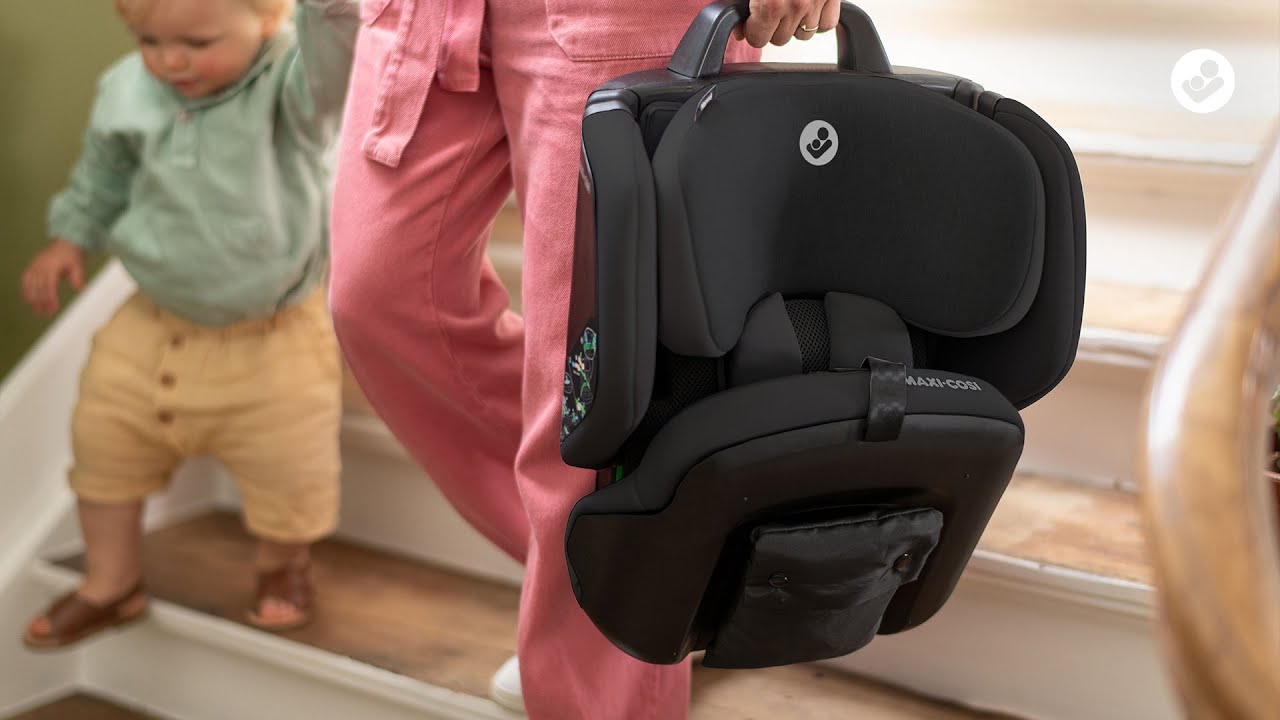
A bulky seat can be difficult to carry through airports or fit in small rental cars. Many families prefer travel-friendly car seats that are lightweight (under 15 lbs) and compact.
Installation Versatility
Look for seats that install easily with both LATCH and seat belt systems. Some car seats offer quick-release latches or color-coded guides that help you install them correctly in unfamiliar vehicles.
Faa Approval
If you plan to use the car seat on an airplane, check for the FAA-approved sticker. Only seats labeled “This restraint is certified for use in motor vehicles and aircraft” can be used on most US airlines.
Convertible Vs. Infant Seats
Infant seats are easy to carry but might be outgrown quickly. Convertible seats can be used longer but are usually heavier. Some travel-specific models fold or include wheels for easier transport.
Here’s a quick comparison of popular travel car seat types:
| Type | Typical Weight | Best For | Pros | Cons |
|---|---|---|---|---|
| Infant Seat | 7–12 lbs | Babies up to 1 year | Lightweight, easy carry handle | Outgrown quickly |
| Convertible Seat | 12–25 lbs | Infant to toddler | Longer use, rear/forward facing | Heavier, bulkier |
| Travel Booster | 5–7 lbs | Children over 4 years | Very portable, easy to pack | Not for young babies |
Credit: www.maxi-cosi.com
Preparing Your Car Seat For Travel
Clean And Inspect
Before your trip, check that the car seat is clean and in good condition. Look for cracks or missing parts. Clean all covers and straps to avoid issues with airport security or customs.
Practice Installation
If you’ll be using the seat in a different car or on an airplane, practice installing it ahead of time. Watch manufacturer videos or read the manual—some seats have tricks that save time.
Gather Accessories
Consider these helpful add-ons:
- Car seat travel bag: Protects from damage and dirt
- Luggage tag: Clearly label with your contact info
- Car seat cart or strap: Makes rolling or attaching to your suitcase easier
- Padding or blanket: For extra comfort and protection
Document Proof
Take a photo of the FAA approval label and keep the manual handy (digital or paper). Some airline staff may ask for proof before letting you use the seat onboard.
Getting Through The Airport With A Car Seat
Airports can be stressful, especially with kids and extra gear. Here’s how to move smoothly:
Checking Vs. Carrying On
You have two options: gate check your car seat or bring it onboard. Gate checking means giving the seat to staff at the boarding gate—they’ll return it when you land. Carrying it on keeps it with you at all times.
Carry-on is safer because it prevents loss or damage. However, this means you need a paid seat for your child. If you’re traveling with a lap infant, you can usually gate check the seat for free.
Security Screening
Car seats must go through the X-ray machine at TSA checkpoints. If the seat doesn’t fit, staff will hand-inspect it. Remove all loose items and fold down handles for faster screening.
Moving Through The Terminal
- Car seat travel carts let you roll the seat like a stroller
- Some parents strap the seat to rolling luggage
- Baby carriers or lightweight strollers help free your hands
Don’t be afraid to ask for help—airport staff are used to families traveling with car seats.
Using A Car Seat On The Plane
Many parents are unsure if they can use a car seat on the plane. Here’s what you need to know:
Airline Policies
Most US airlines allow FAA-approved car seats in paid passenger seats. Your child must have their own ticket (not fly as a lap infant). International airlines have different rules, so check before booking.
Installing The Seat
Install the car seat in the window seat so it doesn’t block other passengers. Rear-facing is allowed for infants, but space can be tight. Flight attendants may ask to see the FAA approval label.
Common Problems
- Narrow seats: Some car seats are too wide for airplane seats (usually over 17 inches)
- Reclining restrictions: Car seats can’t recline on the plane, so your child must sit upright
- Armrest issues: Armrests may not lift, making installation trickier
Here’s a comparison of typical airline seat widths vs. car seat widths:
| Airline | Economy Seat Width | Common Car Seat Width | Fits Easily? |
|---|---|---|---|
| Delta | 17.2–18.5 in | 16–17 in | Yes |
| United | 16.1–17.3 in | 16–18 in | Check before booking |
| American | 16.5–18 in | 16–17 in | Usually |
In-flight Comfort
Bring familiar toys, snacks, and a blanket. The car seat feels like home, which can help your child relax and sleep on long flights.
Using A Car Seat In Rental Cars And Taxis
Arriving at your destination, you may need to install the car seat in a rental car or taxi.
Installing In Rental Cars
Rental car companies sometimes offer car seats, but the quality and cleanliness can be questionable. Bringing your own means you know how it works and that it’s safe.
- Practice installation in different types of cars before your trip.
- Many rental cars use the LATCH system—check the back seat for anchor points.
- If you need help, rental staff may assist, but the final responsibility is yours.
Using A Car Seat In Taxis Or Ride Shares
Taxis and ride share drivers (like Uber or Lyft) are not required to provide car seats in most locations. You must bring your own or request a vehicle that offers one, which can be rare. Some cities allow children to ride without a car seat in taxis, but this is not recommended for safety.
Pro tip: Some travel car seats can be installed without a base, using only the seat belt. This flexibility is helpful in taxis.
Tips For International Travel With A Car Seat
Traveling abroad adds new challenges. Here’s what to consider:
- Check local laws: Some countries require car seats, others don’t
- Research car sizes: Cars in Europe and Asia are often smaller, so wide seats may not fit
- Bring a universal adapter: In some places, seat belts work differently
- Language barriers: Print or download installation instructions in the local language
Car seats from the US are not always legal abroad, but most countries allow you to use your seat as a visiting tourist. If you’re unsure, check with the embassy or a trusted travel site like NHTSA.
Mistakes To Avoid When Traveling With A Car Seat
Even experienced parents make mistakes when traveling. Here are some you can avoid:
- Not checking dimensions: Some car seats won’t fit in airplane seats or compact rental cars.
- Forgetting proof of FAA approval: Airlines may refuse the seat without this.
- Assuming car seats are available: Taxis and rental companies may run out or provide outdated seats.
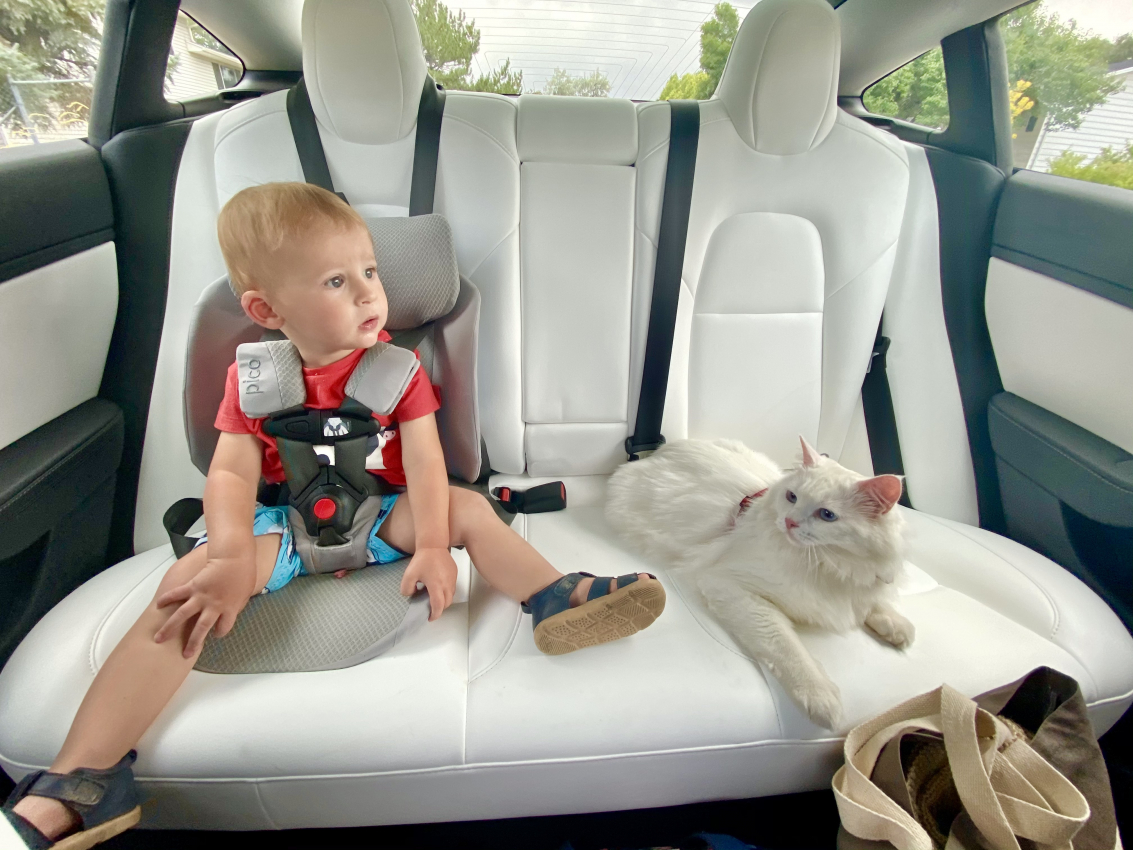
- Ignoring installation practice: A rushed or incorrect install can put your child at risk.
- Not labeling your seat: Lost seats are hard to recover without a clear name tag.
- Overpacking accessories: Bring only what you need to keep things light and manageable.
Credit: annaeverywhere.com
Cost Comparison: Bringing Vs. Renting A Car Seat
Some families debate whether to travel with their own seat or rent one. Here’s a quick cost breakdown:
| Option | Average Cost (per week) | Pros | Cons |
|---|---|---|---|
| Bring Your Own | $0 (after purchase) | Guaranteed fit, familiar to child | Bulky to carry, risk of damage |
| Rent from Car Company | $50–$100 | No carrying needed | Unknown condition, not always available |
| Buy on Arrival | $60–$200 | Brand new seat | Wasteful, not practical for short trips |
Most families find that bringing their own seat is the safest and most cost-effective choice, especially for longer trips.
Non-obvious Insights For Smooth Car Seat Travel
- Car seat gate check bags can double as extra packing space—some parents use the space for diapers or coats, but don’t overdo it or you may have trouble at check-in.
- Some folding car seats can fit in overhead bins on planes, saving you time at baggage claim.
- Practice “one-handed” installation before you go, as you may be holding a baby or managing luggage.

Credit: www.amazon.com
Frequently Asked Questions
Can I Use My Car Seat On Any Airline?
Most US airlines allow FAA-approved car seats, but international airlines have different rules. Always check with your airline before traveling, and bring proof of approval.
What If My Car Seat Is Damaged During Travel?
Report any damage to the airline or baggage handler immediately. Many airlines will cover repairs or replacement if you report the issue before leaving the airport.
Do I Need To Buy My Child A Plane Ticket To Use A Car Seat?
Yes, your child needs their own paid seat to use a car seat on the plane. Lap infants cannot use car seats during the flight.
Is It Safer To Check Or Carry On My Car Seat?
Carrying on is safer, as checked seats can be lost or damaged. If you must check it, use a padded bag and remove all loose parts.
Are Car Seat Laws The Same In Every Country?
No, car seat laws vary. Some countries require seats by law; others do not. Always check the regulations for your destination before you travel.
Traveling with a car seat requires extra effort, but it is well worth it for your child’s safety and your peace of mind. With careful planning and the right information, you can make your journey smoother and safer for the whole family.