
Many women experience vaginal discomfort at some point in life, and a yeast infection is a common reason. The itching, burning, and unusual discharge can be upsetting. But how do you know if it’s really a yeast infection, and can you test for it at home? Knowing how to check for a yeast infection in the comfort of your house saves time, reduces stress, and helps you decide if you need to see a doctor. This guide explains practical ways to test for a yeast infection at home, when to trust your results, and what steps to take next.
What Is A Yeast Infection?
A yeast infection occurs when there is too much of the fungus Candida albicans in the vagina. Normally, small amounts of Candida live in the vagina without causing harm. But certain factors—like antibiotics, pregnancy, or a weak immune system—can let yeast grow out of control.
Common symptoms include:
- Itching and irritation in the vaginal area
- Thick, white discharge that looks like cottage cheese
- Redness and swelling of the vulva
- Burning when urinating or during sex
Not every vaginal symptom is due to a yeast infection. Conditions like bacterial vaginosis or sexually transmitted infections (STIs) can feel similar. That’s why testing is important.
Home Testing Options
1. Over-the-counter Test Kits
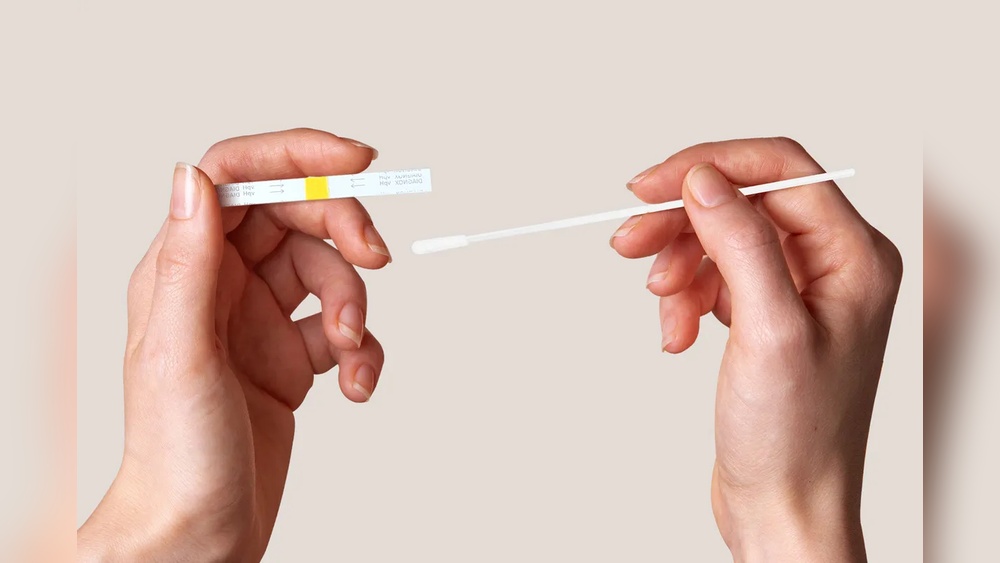
Pharmacies sell vaginal pH test kits and yeast infection screening kits. These kits are easy to use and give fast results.
| Test Type | What It Checks | How to Use | Result Time |
|---|---|---|---|
| Vaginal pH Test | pH level of vaginal fluid | Swab inside vagina, compare color to chart | 1-2 minutes |
| Yeast Infection Kit | Markers of yeast or bacteria | Collect sample, follow package directions | 5-10 minutes |
- Vaginal pH tests: Yeast infections usually do not raise vaginal pH (it remains around 4.0 to 4.5). A higher pH may suggest something else, like bacterial vaginosis.
- Screening kits: Some test for yeast or bacteria directly using a chemical reaction or color change.
Pro tip: These kits are helpful, but not perfect. False results can happen if you test during your period, after sex, or if you use vaginal products.
2. Symptom Checker
If you can’t access a kit, pay attention to your symptoms. This isn’t as accurate as a test, but some signs strongly suggest a yeast infection:
- Thick, white, odorless discharge
- Intense itching or burning
- No strong “fishy” smell (which is more common in bacterial vaginosis)
If your symptoms match those above and you have had a yeast infection before, you may be able to treat yourself at home. But if you have new or unusual symptoms, testing is safer.
3. Visual Inspection
A careful look at your vaginal area can offer clues:
- Redness and swelling are common in yeast infections.
- White patches or clumps may be visible on the vulva or inside the vagina.
However, not all yeast infections look the same. Sometimes, the skin may crack or peel. Visual checks can’t replace a real test, but they add information.

Credit: www.amazon.com
When To Trust Home Results
Home testing is helpful, but not always 100% reliable. Here’s a quick comparison of what home tests can and cannot do:
| Test Method | Can Confirm Yeast? | Can Rule Out Other Causes? |
|---|---|---|
| pH Test | No, but can suggest yeast if pH is normal | No, can miss mixed infections |
| Symptom Checker | Possible, if classic symptoms | No, symptoms can overlap |
| Screening Kit | Yes, if positive result | No, may miss other infections |
Important insight: Even if your home test is positive, you should see a doctor if:
- It’s your first yeast infection
- You’re pregnant
- Symptoms are severe or keep coming back
- You have a weakened immune system (like from HIV or cancer)
Home kits are most useful for women who’ve had yeast infections before and know their symptoms well.
Common Mistakes In Home Testing
Beginners often make errors that lead to wrong results. Watch out for these:
- Testing too soon after sex: Semen can change your vaginal pH and confuse results.
- Using a test during your period: Blood affects pH and test accuracy.
- Not following instructions: Always read the package carefully. A small mistake (like using a dirty swab) can give the wrong answer.
- Ignoring other symptoms: Pain, fever, or a foul smell are warning signs of a bigger problem.
Another tip: Don’t self-treat with antifungal creams unless you’re sure it’s a yeast infection. Using the wrong medicine can make things worse.
,aspect=ignore "How to Test for Yeast Infection at Home: Simple Steps & Tips 2")
Credit: www.cvs.com
What To Do After Testing
If your home test points to a yeast infection and you’ve had one before, you can try over-the-counter antifungal treatments. These include creams, suppositories, or oral pills. Most work in 1 to 7 days.
But if you have doubts, symptoms do not improve, or you have repeated infections, contact your healthcare provider. Sometimes, a lab test or prescription medicine is needed.
Here’s a summary of next steps:
| If You Find | What To Do |
|---|---|
| Classic yeast symptoms, positive home test | Try OTC antifungal, monitor symptoms |
| Unusual symptoms, negative test | See a doctor, rule out other causes |
| Recurring infections | Consult a doctor for full evaluation |
Extra Tips For Accurate Home Testing
- Wash your hands before and after testing.
- Avoid douching or using vaginal sprays before testing.
- Test in the morning for the most accurate sample.
- Store test kits at room temperature, away from moisture.
Hidden insight: Many women don’t realize that diabetes and birth control pills can increase yeast infections. If you have repeated infections, check for these risk factors.
Frequently Asked Questions
What Is The Most Accurate Way To Test For A Yeast Infection At Home?
The most accurate home method is a screening kit that checks for yeast markers. While pH tests and symptoms help, only lab tests at a doctor’s office are 100% certain.
Can Men Use Home Yeast Infection Tests?
No, most home tests are designed for vaginal use. Men with symptoms (like redness or itching on the penis) should see a doctor for testing.
How Soon After Starting Treatment Should Symptoms Improve?
Most women feel better within 1-3 days of starting treatment. If symptoms don’t improve after a week, you should see a healthcare provider.
Are There Any Natural Ways To Test For Yeast Infections At Home?
No reliable natural or DIY test exists. Online tricks like the “spit test” are not supported by science and should not be trusted.
Where Can I Learn More About Vaginal Health?
For more detailed, trusted information, visit the Centers for Disease Control and Prevention.
Taking charge of your health starts with understanding your body. Home testing for yeast infections gives you information and control, but don’t hesitate to get professional help if you’re unsure. Early action prevents bigger problems and helps you feel better fast.