
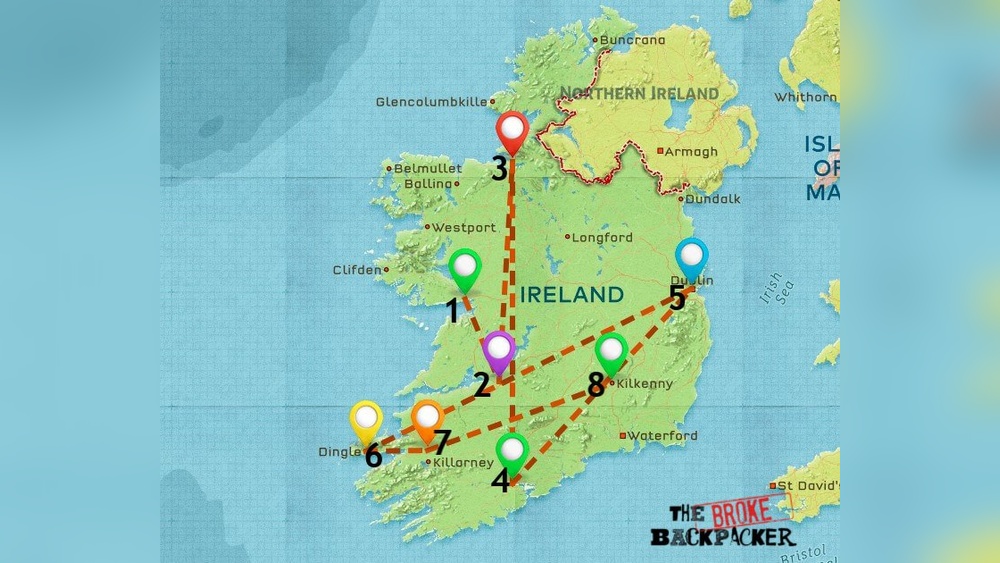
Ireland is a country that feels both ancient and alive. Rolling green hills, dramatic coastlines, lively cities, and quaint villages make it a favorite for travelers from all over the world. But planning where to stay in Ireland can be overwhelming, with so many regions and types of accommodation to choose from.
Whether you want a castle hotel, a cozy B&B, or a modern city apartment, Ireland has something unique for everyone. In this guide, you’ll discover the best places to stay across the country, with practical tips and real examples to help you pick the right spot for your adventure.
Dublin: Urban Energy And History
Ireland’s capital, Dublin, is often the first stop for visitors. The city offers a mix of history, culture, nightlife, and convenience. If you want to be close to attractions like Trinity College, the Guinness Storehouse, and the lively Temple Bar district, choose accommodation in the city center.
Dublin is ideal if you love museums, pubs, and shopping. It’s also a transport hub, making it easy to explore other parts of the country.
Where To Stay In Dublin
- Luxury: The Shelbourne Dublin, Autograph Collection—historic, five-star, located on St. Stephen’s Green.
- Mid-range: The Morgan Hotel—modern, comfortable, steps from Temple Bar.
- Budget: Generator Dublin—fun hostel near Smithfield Square.
Insider tip: Book well in advance for summer or around St. Patrick’s Day, as prices rise quickly.
Galway: Vibrant Culture On The West Coast
Galway is famous for its artistic spirit and live music. Colorful streets, friendly locals, and easy access to the Cliffs of Moher or Aran Islands make it a must-see. The city is compact, so you can walk almost everywhere.
Where To Stay In Galway
- Luxury: The g Hotel & Spa—designer style, top service, and excellent spa.
- Mid-range: Park House Hotel—classic comfort in the heart of town.
- Budget: Kinlay Eyre Square Hostel—great for solo travelers or groups.
Galway’s Latin Quarter is best for nightlife and food lovers. For quieter stays, consider Salthill, just 10 minutes from the center, with views of Galway Bay.
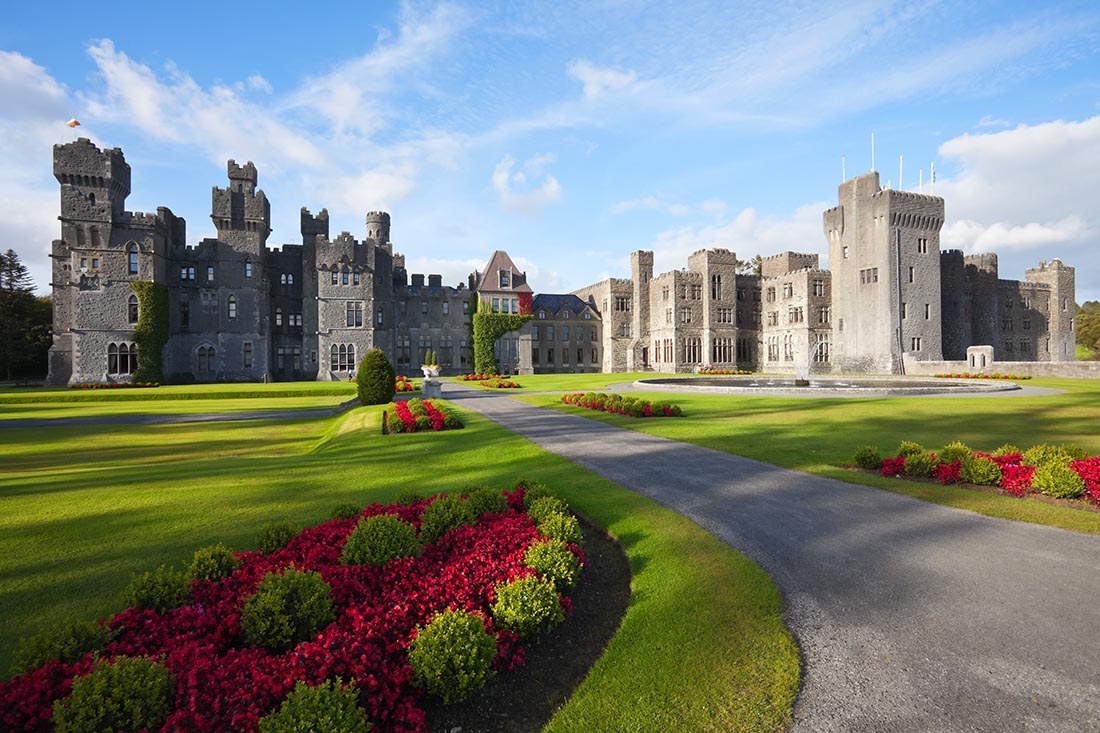
Credit: wanderlustcrew.com
Killarney: Gateway To Nature
If you dream of green mountains and scenic drives, Killarney is your base. This town sits beside Killarney National Park, with beautiful lakes and easy access to the famous Ring of Kerry route. It’s a favorite for hikers, cyclists, and families.
Where To Stay In Killarney
- Luxury: Muckross Park Hotel & Spa—next to the national park.
- Mid-range: The Brehon—modern, comfortable, with great views.
- Budget: Neptune’s Hostel—affordable and central.
Practical tip: Many tours of the Ring of Kerry start and end in Killarney, so you can explore without a car.
Cork: Food, Festivals, And Local Flavor
Cork is Ireland’s second-largest city but feels relaxed and friendly. It’s a top pick for food lovers, thanks to the English Market and many artisan cafes. Cork is a good base for visiting Blarney Castle or exploring the southern coast.
Where To Stay In Cork
- Luxury: Hayfield Manor—classic elegance with a spa and gardens.
- Mid-range: The River Lee Hotel—modern with river views, close to city center.
- Budget: Bru Bar & Hostel—fun, with live music downstairs.
Not-so-obvious insight: Cork’s Victorian Quarter is a hidden gem with cool shops and independent hotels.
Belfast: A City Reborn
Belfast, the capital of Northern Ireland, has transformed in recent decades. Today, it’s full of museums, street art, and the famous Titanic Belfast experience. The city center is lively, while the Cathedral Quarter has the best nightlife.
Where To Stay In Belfast
- Luxury: The Merchant Hotel—opulent, with rooftop hot tub.
- Mid-range: Bullitt Hotel—trendy rooms and a lively bar.
- Budget: Vagabonds Hostel—friendly, social, and close to attractions.
Belfast is perfect for history buffs and those interested in the story of the Troubles.
Dingle: Small Town, Big Scenery
The Dingle Peninsula offers rugged beauty and a welcoming small-town feel. Dingle town is famous for live music, fresh seafood, and its harbor. It’s the best place for those who want both culture and spectacular nature.
Where To Stay In Dingle
- Luxury: Dingle Skellig Hotel—lovely views and great facilities.
- Mid-range: Dingle Bay Hotel—close to everything, with friendly service.
- Budget: Rainbow Hostel—simple and social.
Experience-based tip: Many B&Bs here offer homemade Irish breakfasts with local ingredients.
Kilkenny: Medieval Charm
Kilkenny is a compact city known for its medieval castle and vibrant arts scene. Cobbled streets, craft shops, and lively pubs make it a romantic and historic place to stay.
Where To Stay In Kilkenny
- Luxury: Lyrath Estate—set on 170 acres, with a spa and fine dining.
- Mid-range: Pembroke Kilkenny—modern comfort near the castle.
- Budget: MacGabhainns Backpacker Hostel—great for meeting other travelers.
Non-obvious insight: Kilkenny’s annual arts festival draws performers from across Europe—book early if visiting in August.
Westport: Adventure And Relaxation
On the west coast, Westport offers a blend of outdoor adventure and small-town charm. It’s famous for Croagh Patrick, a mountain pilgrimage site, and for cycling the Great Western Greenway.
Where To Stay In Westport
- Luxury: Westport Plaza Hotel & Spa—modern, with a great spa.
- Mid-range: Clew Bay Hotel—family-run, central, with top reviews.
- Budget: The Old Mill Hostel—rustic and welcoming.
Practical tip: Many hotels rent bikes and offer guided tours to nearby islands.

Credit: www.kimkim.com
Sligo: Wild Atlantic Beauty
Sligo is less crowded than other destinations but full of natural wonders. Expect dramatic mountains, surf beaches, and links to poet W.B. Yeats. It’s a great choice for those who want Irish beauty without crowds.
Where To Stay In Sligo
- Luxury: The Glasshouse—modern architecture and river views.
- Mid-range: Sligo Park Hotel & Leisure Club—family-friendly with a pool.
- Budget: Harbour House Hostel—close to the center and the sea.
Insider fact: Sligo is a surfing hotspot, especially around Strandhill Beach.
Unique Accommodation: Castles, Cottages, And More
Beyond cities and towns, Ireland offers some truly unique places to stay. Sleep in a real castle, rent a traditional thatched cottage, or try a countryside manor.
Here’s a quick comparison of special accommodation types:
| Type | What to Expect | Best For |
|---|---|---|
| Castle Hotel | Historic, luxury, often with large grounds | Romantic getaways, special occasions |
| Cottage Rental | Self-catering, cozy, often rural | Families, groups, long stays |
| Boutique B&B | Personal touch, homemade breakfast | Local experience, solo travelers |
| Country Manor | Elegant, scenic, often includes activities | Relaxation, nature lovers |
Booking tip: Castle hotels and unique B&Bs often fill up months in advance, especially in summer.
Comparing Top Destinations By Type
To help you decide, here’s a quick reference comparing popular Irish destinations by travel style:
| Destination | Best For | Vibe |
|---|---|---|
| Dublin | First-timers, nightlife, history | Busy, cosmopolitan |
| Galway | Music, arts, easy day trips | Lively, bohemian |
| Killarney | Nature, families, scenic drives | Relaxed, outdoorsy |
| Cork | Foodies, festivals, local culture | Friendly, creative |
| Dingle | Small-town charm, coastal views | Welcoming, picturesque |
Not-so-obvious insight: Smaller towns like Dingle and Westport offer better value and often include free parking.
How To Choose The Right Place
Picking the best place to stay in Ireland depends on your budget, interests, and travel style. Here’s what really matters:
- Location: City centers are walkable, but countryside stays offer peace and scenery.
- Transport: Public transport is good in cities, limited in rural areas. Renting a car gives more freedom.
- Season: Summer is busiest and most expensive. Spring and fall are less crowded and often cheaper.
- Type of trip: Solo travelers often prefer hostels or B&Bs, while families may choose hotels with pools or kitchenettes.
Common mistakes: Booking a countryside hotel without checking for nearby restaurants or public transport. Always check reviews and maps before booking.
Practical Tips For Booking
- Book early for summer, festivals, and weekends.
- Read reviews on sites like TripAdvisor and Booking.com.
- Check cancellation policies. Irish weather changes fast, so flexibility helps.
- Ask about breakfast. Many B&Bs and hotels include a full Irish breakfast, which can save money and time.
If you want to dig deeper into Ireland’s regions and accommodation types, visit the official tourism site: Ireland.com.
Frequently Asked Questions
What Is The Best Month To Visit Ireland?
The best months are May to September. Days are longer, and the weather is warmer. July and August are busiest, so May or September offer fewer crowds and lower prices.
Is It Better To Stay In Hotels, B&bs, Or Hostels In Ireland?
It depends on your travel style. Hotels offer comfort and amenities. B&Bs provide a personal touch and homemade food. Hostels are social and budget-friendly. Mixing different types can give you a full experience.
Do I Need To Rent A Car To Explore Ireland?
A car is very useful for rural areas, the west coast, and the Wild Atlantic Way. Cities like Dublin, Cork, and Galway are walkable, and trains or buses connect most major towns.
Are Castle Hotels Worth The Price?
Staying in a castle hotel is a unique, luxury experience. They are more expensive but ideal for special occasions. If budget is tight, consider visiting castles during the day and staying elsewhere.
How Far In Advance Should I Book Accommodation In Ireland?
For summer, festivals, or unique stays like castles and B&Bs, book at least 3–6 months ahead. For off-season trips, 1–2 months is usually enough.
Staying in Ireland is about more than just a bed for the night. Where you choose shapes your memories, from city adventures to countryside escapes. With so many options, you can find the perfect base for your Irish journey—whether it’s in a lively city, a peaceful village, or a storybook castle.
Plan ahead, explore widely, and enjoy the warmth of Irish hospitality wherever you stay.
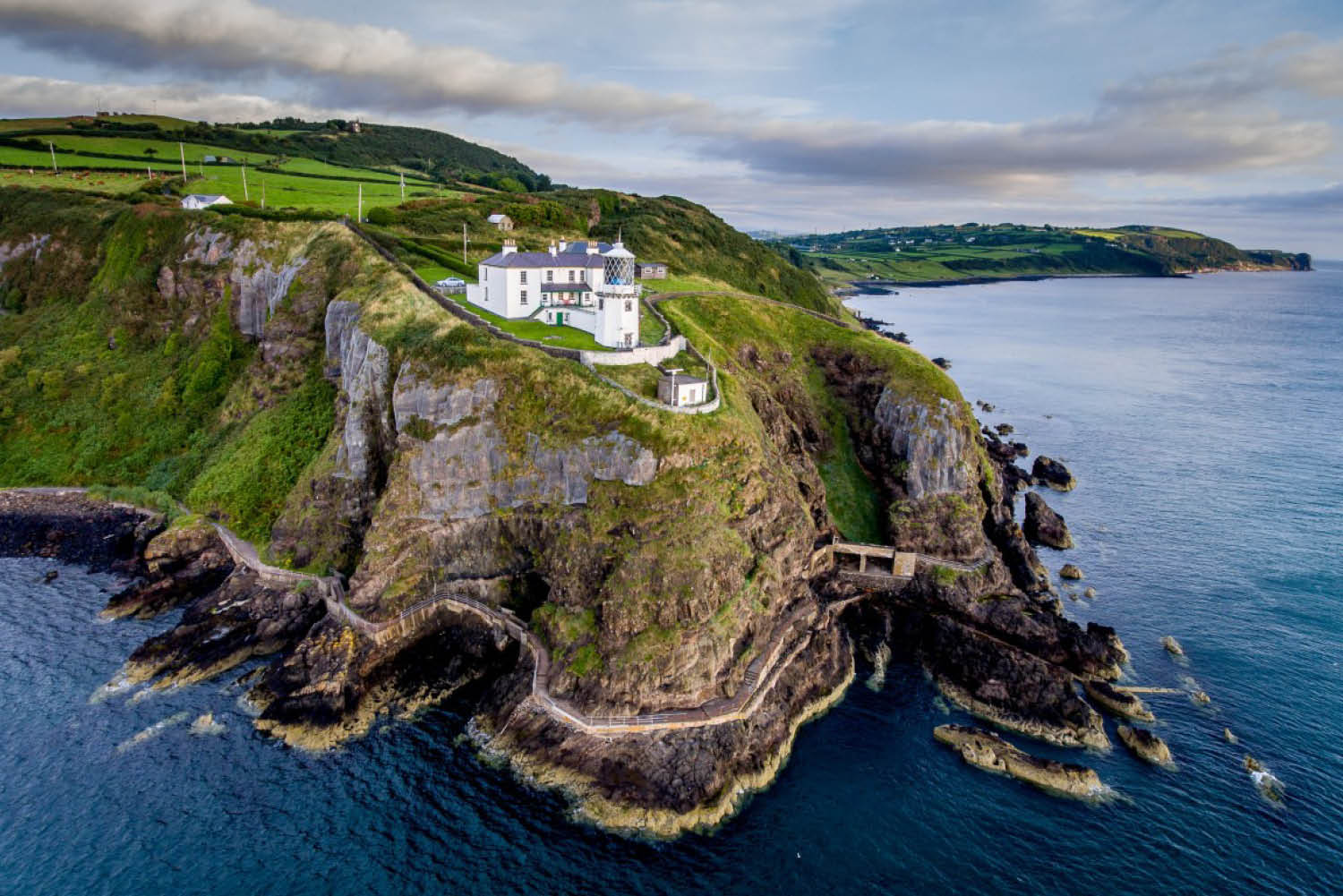
Credit: www.internationaltraveller.com