

Visiting Auschwitz from Krakow is one of the most meaningful journeys you can make in Poland. The Auschwitz-Birkenau Memorial and Museum stands as a powerful reminder of history, drawing travelers from all over the world. If you’re planning this trip, you might be wondering how to get there, which option is best, and what to expect along the way. This guide covers every practical detail, from transportation choices to tips for a smooth visit. Whether you’re traveling solo or with a group, you’ll find clear advice and helpful comparisons to make your journey as easy as possible.
Why Travel From Krakow To Auschwitz?
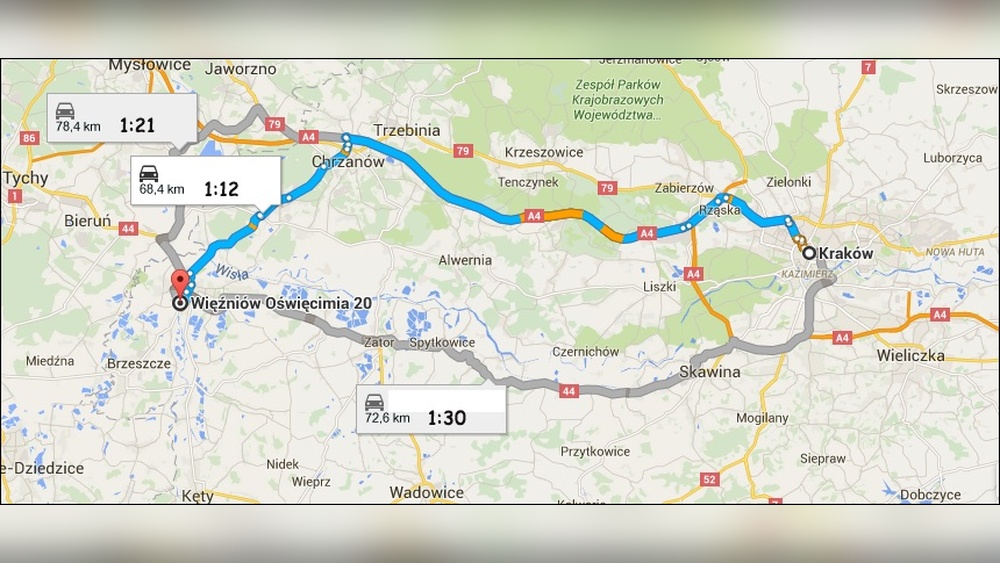
Krakow is the most popular starting point for visiting Auschwitz. The city is rich in history, vibrant culture, and offers strong connections to the rest of Poland. Most visitors choose Krakow because it’s close—about 70 kilometers (43 miles) from Auschwitz—and has frequent transport options. Many tours and buses depart from Krakow daily, making it ideal for planning a day trip.
Auschwitz itself is located in the town of Oświęcim, and the site is divided into two main parts: Auschwitz I and Auschwitz II (Birkenau). The memorial attracts over two million visitors annually, and the journey is often emotional and educational.
Main Ways To Travel From Krakow To Auschwitz
There are several ways to reach Auschwitz from Krakow. Each method suits different preferences and budgets. Here’s a breakdown of the main options:
1. Organized Tours
Many travelers opt for organized tours. These tours usually include transport, entry tickets, and a guide. The biggest advantage is convenience—everything is arranged for you.
- Departure: Tours often leave from central Krakow hotels or meeting points.
- Duration: Usually 6–8 hours for a round-trip tour, including time at Auschwitz.
- Price: Around $40–$70 per person, depending on inclusions.
- Languages: Tours are available in English and other languages.
2. Public Bus
Public buses are a budget-friendly option. They run regularly from Krakow to Oświęcim.
- Bus companies: Mainly Lajkonik and PKS.
- Frequency: Buses leave every 30–60 minutes from Krakow’s main bus station.
- Duration: About 1.5–2 hours each way.
- Cost: $5–$8 one way.
3. Train
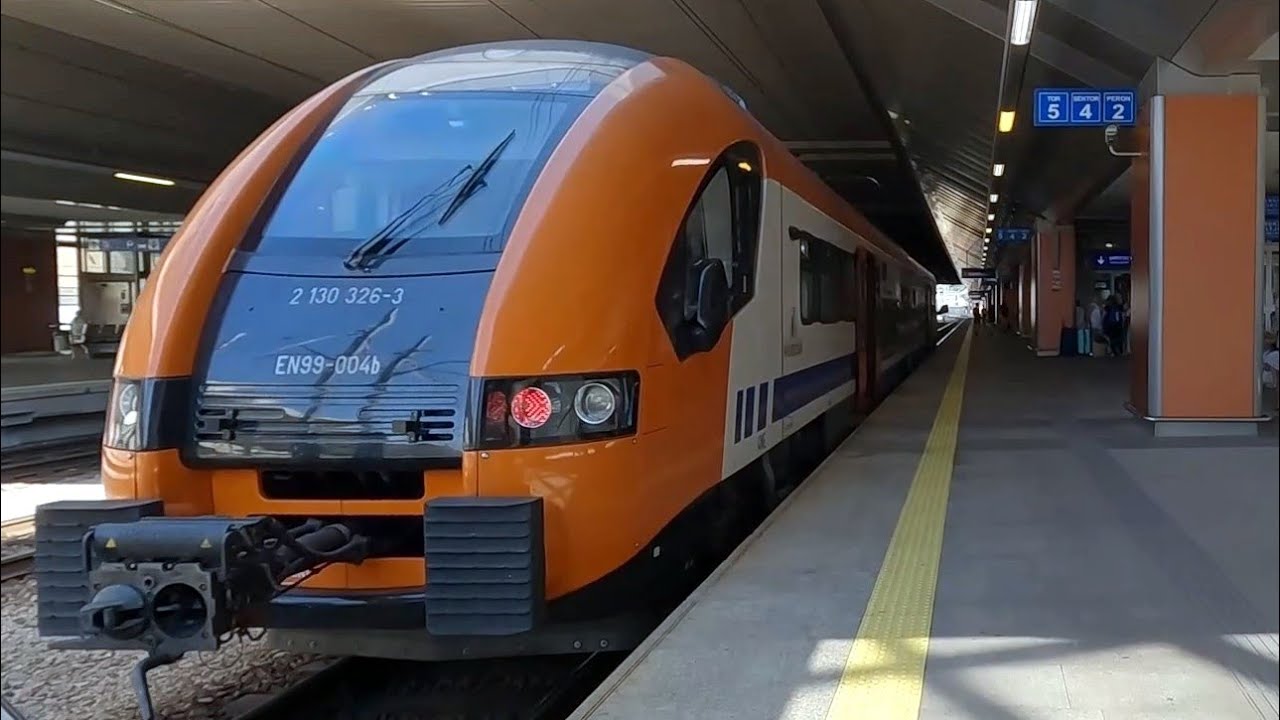
The train is another public transport option. It’s comfortable but slightly slower than buses.
- Departure: Krakow Main Train Station (Kraków Główny).
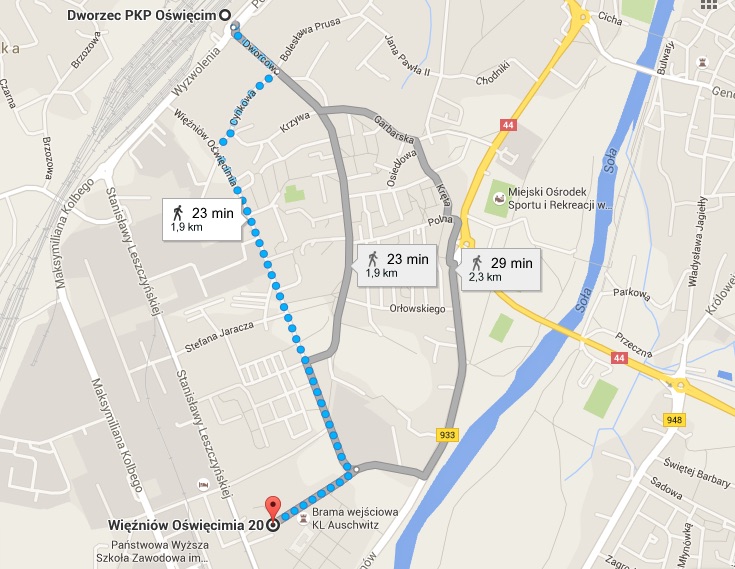
- Arrival: Oświęcim Train Station (about 2 km from Auschwitz).
- Duration: 1.5–2 hours.
- Cost: $5–$10 one way.
4. Private Taxi Or Transfer
If you prefer flexibility and comfort, a private taxi or transfer is best.
- Price: $80–$120 for a round trip (up to 4 passengers).
- Duration: About 1–1.5 hours.
- Booking: Book in advance or ask your hotel.
5. Rental Car
Renting a car gives you the most freedom to plan your day.
- Cost: $25–$40 per day, plus fuel.
- Parking: Free parking is available at Auschwitz.
- Driving time: Around 1 hour.
Credit: discovercracow.com
Comparing Travel Options
To help you choose, here’s a comparison table of the main travel options:
| Option | Cost (Round Trip) | Duration | Flexibility | Comfort |
|---|---|---|---|---|
| Organized Tour | $40–$70 | 6–8 hours | Low | High |
| Public Bus | $10–$16 | 3–4 hours | Medium | Medium |
| Train | $10–$20 | 3–4 hours | Medium | High |
| Private Taxi | $80–$120 | 2–3 hours | High | High |
| Rental Car | $25–$40 + fuel | 2–3 hours | High | High |
Step-by-step Guide: Traveling By Public Transport
If you prefer to travel independently, public bus and train are both solid options. Here’s a step-by-step guide for each:
Traveling By Bus
- Go to Krakow Bus Station: The main station is located near Kraków Główny (Central Railway Station).
- Buy Ticket: Purchase at the station or online. Look for buses labeled Krakow–Oświęcim.
- Board the Bus: Most buses are modern and comfortable. The journey takes about 1.5–2 hours.
- Arrive in Oświęcim: The bus stops near the Auschwitz Museum entrance.
- Return: Buses run back to Krakow until evening. Check the schedule in advance.
Traveling By Train
- Go to Krakow Main Station: Located in the city center.
- Buy Ticket: Purchase at the station or online. Trains to Oświęcim run every 1–2 hours.
- Board Train: The ride takes about 1.5–2 hours.
- Arrive at Oświęcim: The station is about 2 km from Auschwitz. You can walk (25 minutes) or take a taxi.
- Return: Trains run back to Krakow until late afternoon.
Here’s a quick comparison of bus and train schedules:
| Transport | First Departure | Last Departure | Frequency |
|---|---|---|---|
| Bus | 6:00 AM | 7:00 PM | Every 30–60 min |
| Train | 5:30 AM | 6:30 PM | Every 1–2 hours |
Visiting Auschwitz: What To Expect
Once you arrive, the experience at Auschwitz-Birkenau is unique and moving. Here’s what to know:
- Entry: Entry is free, but guided tours cost about $15–$20. Booking in advance is strongly recommended.
- Opening hours: Vary by season (typically 7:30 AM to 7:00 PM in summer, closing earlier in winter).
- Duration: Most visitors spend 3–4 hours at the site, including both Auschwitz I and Birkenau.
- Guided tours: Available in English and other languages. Tours cover history, buildings, and personal stories.
- Facilities: There’s a visitor center with restrooms and a café.
Practical Tips For Your Visit
- Bring your passport or ID, as it’s needed for entry.
- Wear comfortable shoes—there’s a lot of walking.
- Photography is allowed, but some areas are restricted.
- Bags larger than 30x20x10 cm must be stored in lockers.
- The memorial is not suitable for young children due to the nature of the site.
- Consider booking your Auschwitz entry time before booking your transport—popular times fill quickly.
Common Mistakes And How To Avoid Them
Most visitors make a few simple mistakes that can affect their trip:
- Not booking tickets early: Entry slots can sell out, especially in summer.
- Arriving late: Auschwitz is strict about entry times; late arrivals may not be allowed in.
- Assuming transport is always available: Buses and trains can fill up, especially on weekends and holidays.
- Underestimating walking distances: Birkenau is about 3 km from Auschwitz I—shuttle buses run between sites, but walking is also possible.
- Forgetting about lunch: There are few food options near Auschwitz; bring snacks or plan to eat before/after your visit.
An extra tip: If you want to visit both Auschwitz I and Birkenau, allow enough time—many tours rush visitors, but independent travelers can take their time.
Best Time To Visit
The site is open all year, but your experience depends on the season.
- Spring and Fall: Mild weather, fewer crowds. This is the best time for most visitors.
- Summer: Very busy—book tickets and transport early. Temperatures can reach 86°F (30°C).
- Winter: Quiet but cold. Temperatures often drop below freezing, so dress warmly. Some areas may be closed.
Annual visitor numbers peak in July and August, so consider avoiding these months if you prefer a quieter visit.
Booking Tickets And Tours
You can book entry tickets and guided tours through the official Auschwitz website or with reputable tour companies. Popular times (morning and early afternoon) fill up quickly, especially in summer.
Booking tips:
- Book at least 2–3 weeks in advance if visiting in July or August.
- Check if your tour includes transport and entry—some only provide one or the other.
- Independent visitors can book free entry slots, but must arrive at the exact time.
For more details, visit the official Auschwitz Memorial page: Auschwitz-Birkenau Memorial and Museum.
Credit: www.youtube.com
Accessibility And Special Considerations
The site is mostly accessible, but some areas have uneven ground. Wheelchairs are available free of charge at the visitor center. If you have special needs, contact the museum in advance for assistance.
Day Trip Vs. Overnight Stay
Most visitors do a day trip from Krakow, but staying overnight in Oświęcim can make the experience less rushed.
Pros Of Day Trip
- Easier logistics
- No need to pack or change hotels
- Plenty of return transport options
Pros Of Overnight Stay
- More time to explore both camps
- Opportunity to visit Oświęcim’s town and Jewish Museum
- Less stress if entry times are late in the day
Accommodation in Oświęcim is affordable, with hotels and guesthouses starting at $30–$50 per night.
Planning Your Journey: Example Itinerary
Here’s a sample itinerary for a day trip:
- 7: 30 AM: Depart Krakow by bus or train.
- 9: 00 AM: Arrive in Oświęcim.
- 9: 30 AM: Enter Auschwitz I (guided tour).
- 12: 00 PM: Shuttle or walk to Birkenau.
- 1: 30 PM: Explore Birkenau.
- 3: 00 PM: Return to Oświęcim station.
- 3: 30 PM: Depart for Krakow.
- 5: 00 PM: Arrive back in Krakow.
Key Insights Beginners Often Miss
- There’s a free shuttle between Auschwitz I and Birkenau, but it can be crowded. Plan your timing carefully.
- Entry time slots are strict; you must arrive on time or risk losing your booking.
- The main bus and train stations in Krakow are close together, making transfers easy if you change your mind.

Credit: www.visitauschwitz.info
Frequently Asked Questions
How Far Is Auschwitz From Krakow?
Auschwitz is about 70 kilometers (43 miles) from Krakow. By bus, train, or car, the trip takes 1.5–2 hours each way.
Can I Visit Auschwitz Without A Guided Tour?
Yes, you can visit independently. Entry is free, but guided tours offer much more context and are highly recommended.
Is It Possible To Travel To Auschwitz From Krakow And Return The Same Day?
Absolutely. Most visitors do a day trip, leaving in the morning and returning by late afternoon or evening.
Are There Food Options At Auschwitz?
There’s a small café near the visitor center, but choices are limited. It’s wise to bring snacks or eat before your visit.
Do I Need To Book Entry Tickets In Advance?
Yes, especially in summer. Entry slots can sell out weeks in advance, so book online before your trip.
Traveling from Krakow to Auschwitz is straightforward if you plan ahead. Whether you choose a guided tour, public transport, or your own car, the journey is manageable and rewarding. By following these tips and insights, you’ll make the most of your visit, avoid common mistakes, and gain a deeper understanding of one of history’s most important sites.