
Hawaii is more than just a travel destination—it’s a dream come true for nature lovers, adventure seekers, and anyone who wants a break from everyday life. With its lush rainforests, volcanic landscapes, and tropical beaches, Hawaii offers countless places to explore. But when you ask, “What is the best place in Hawaii to travel?” the answer depends on what you want: relaxation, adventure, history, or a little of everything. This guide will help you discover Hawaii’s top spots, compare the islands, and offer practical tips so you can make the best choice for your trip.
Comparing Hawaii’s Main Islands
Before choosing where to go, it helps to understand what makes each island special. Here’s an easy comparison of the four main islands travelers consider:
| Island | Best For | Top Attractions | Vibe |
|---|---|---|---|
| Oahu | First-time visitors, families | Waikiki Beach, Pearl Harbor, North Shore | Urban, lively |
| Maui | Couples, adventure seekers | Road to Hana, Haleakalā, Lahaina | Relaxed, upscale |
| Kauai | Nature lovers | Waimea Canyon, Napali Coast | Quiet, wild |
| Big Island (Hawaii) | Explorers, volcano fans | Volcanoes National Park, Kona Coffee | Diverse, rugged |
Each island offers a different experience, so your “best place” depends on your interests. Now, let’s look at the highlights of each.
Oahu: The Heart Of Hawaii
Oahu is the most visited Hawaiian island, and for good reason. Honolulu, the state capital, sits on Oahu and mixes city excitement with natural beauty. Waikiki Beach is world-famous for surfing and swimming, while the nearby Diamond Head crater offers a moderately challenging hike with breathtaking views.
History lovers can visit Pearl Harbor, where the USS Arizona Memorial reminds visitors of a turning point in US history. Just a short drive north, the North Shore is legendary among surfers for its big winter waves. But even if you don’t surf, you can relax at quieter beaches like Lanikai or try shrimp from a local food truck.
Oahu is ideal for those who want a mix of urban life, culture, and easy access to stunning nature. You’ll find everything from luxury shopping to traditional Hawaiian music shows.
Not-so-obvious Insight
Traffic in Honolulu can be heavy, especially during rush hour. If you plan to drive around the island, start early in the morning to avoid delays and make the most of your day.

Credit: www.youtube.com
Maui: The Valley Isle
Maui is often called the most romantic island in Hawaii. It’s famous for its luxurious resorts, beautiful beaches, and the incredible Road to Hana—a winding, scenic drive with waterfalls, rainforests, and ocean views. Along the way, you’ll find hidden gems like Wai’anapanapa Black Sand Beach and Twin Falls.
One of Maui’s most unique experiences is watching the sunrise from Haleakalā National Park. The summit is over 10,000 feet high, so bring warm clothes. Seeing the sun rise above the clouds is a memory you’ll never forget.
Maui’s western side, with towns like Lahaina and Kaanapali, is perfect for families and couples. Lahaina has a lively art scene and historic sites, while Kaanapali’s resorts cater to those who love comfort. Snorkeling at Molokini Crater is another must-do, with clear waters and colorful fish.
Data Snapshot: Maui Visitor Preferences
| Activity | % of Visitors (2023) |
|---|---|
| Beach Relaxation | 82% |
| Scenic Drives (Road to Hana) | 67% |
| Snorkeling/Diving | 58% |
| Hiking | 41% |
Practical Tip
The Road to Hana is beautiful but slow. Allow a full day, bring snacks and water, and consider staying overnight in Hana to explore at a relaxed pace.
Kauai: The Garden Island
Kauai is the oldest and greenest of Hawaii’s main islands. It’s known for its rainforests, mountains, and waterfalls. If you love outdoor adventures and fewer crowds, Kauai could be your best choice.
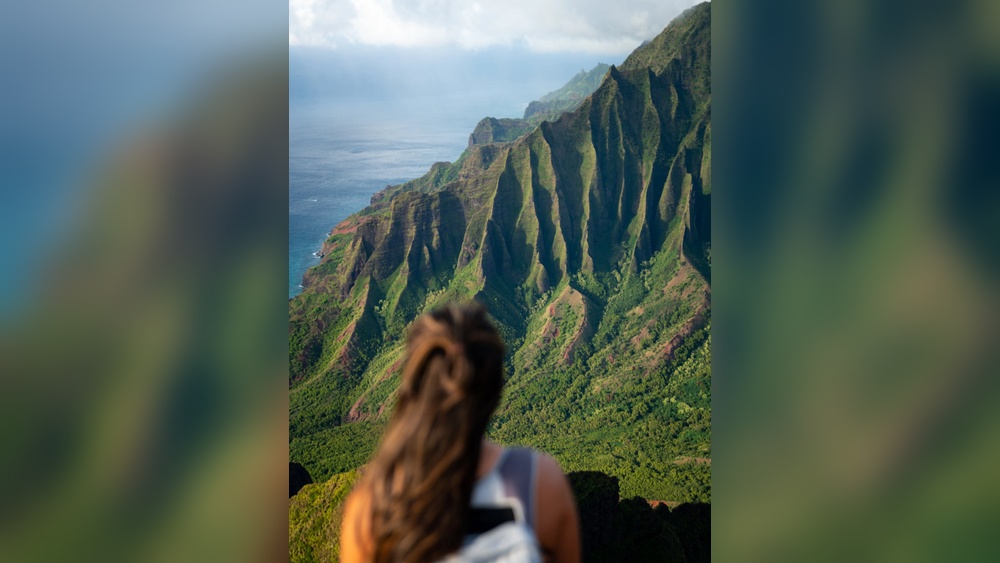
The Napali Coast is one of the most photographed places in Hawaii. You can see it by boat, helicopter, or by hiking the challenging Kalalau Trail. The Waimea Canyon, called the “Grand Canyon of the Pacific,” is another natural wonder, with dramatic red cliffs and scenic lookouts.
Kauai’s beaches are less crowded, and towns like Hanalei offer a laid-back vibe. This island is perfect for travelers who want to disconnect and enjoy pure nature.
Non-obvious Insight
Kauai gets more rain than the other islands, especially on the north shore. Plan for flexible activities and pack a light rain jacket so you can enjoy your trip, rain or shine.

Credit: www.youtube.com
The Big Island: Hawaii Island
The Big Island is the largest in Hawaii, and it feels like several islands in one. It’s the only island where you can see active volcanoes, walk on black sand beaches, and even find snow on top of Mauna Kea in winter.
Hawaii Volcanoes National Park is the top attraction, with steam vents, lava tubes, and—if you’re lucky—glowing lava flows. The island is also famous for its coffee farms in Kona, and you can tour plantations to taste the unique flavors.
The Big Island’s climate zones range from tropical to arid, so pack for different weather. The east side (Hilo) is lush and wet, while the west side (Kona) is sunny and dry.
Quick Comparison: Hilo Vs. Kona
| Feature | Kona (West) | Hilo (East) |
|---|---|---|
| Weather | Sunny, dry | Rainy, lush |
| Main Attractions | Beaches, coffee farms | Waterfalls, volcano park |
| Best For | Swimming, snorkeling | Nature, hiking |
Practical Tip
Renting a car is almost a must on the Big Island. Distances are long, and public transportation is limited.
Lesser-known Gems In Hawaii
Most travelers stick to the four main islands, but Hawaii has smaller islands and hidden spots worth exploring.
- Lanai: Small, quiet, and luxurious. Great for off-road adventures and peaceful beaches.
- Molokai: Known for its strong Hawaiian culture and untouched landscapes. Visit the Kalaupapa National Historical Park for history and stunning views.
- Haleiwa (Oahu): A small town on the North Shore with local art galleries, food trucks, and a relaxed vibe.
These spots are perfect if you want to escape crowds and see a different side of Hawaii.
Choosing The Best Place For Your Hawaii Trip
The “best” place depends on your goals. Here’s a quick guide:
- Choose Oahu if you want a mix of city, history, and easy sightseeing.
- Pick Maui for romance, luxury, and famous scenic drives.
- Go to Kauai for hiking, wild nature, and quiet beaches.
- Try the Big Island if you want volcanoes, diverse climates, and coffee culture.
If you have time, it’s possible to visit two islands in one trip. Inter-island flights are short and frequent, but don’t try to see everything at once—Hawaii is best enjoyed at a slower pace.
Hawaii Travel Planning Tips
- Book Early: Hawaii is popular year-round. Hotels and rental cars can sell out, especially in high season (December–April, June–August).
- Understand the Weather: Hawaii’s weather is warm year-round, but each island has dry and rainy sides. Research the climate for your destination.
- Respect Local Culture: Hawaiians have a strong sense of place and tradition. Learn a few words like “Aloha” (hello/goodbye) and “Mahalo” (thank you). Follow signs and respect sacred sites.
- Don’t Overpack: You’ll need light clothes, swimwear, good walking shoes, and a rain jacket. Sunscreen is essential, but only reef-safe types are allowed at many beaches.
- Plan for Fees: Some parks and beaches require entry or parking fees. Bring a credit card or small bills.
Common Mistakes To Avoid
- Trying to visit too many islands in one week. Travel time and jet lag can make you tired and stressed.
- Underestimating distances, especially on the Big Island.
- Ignoring local advice about swimming safety. Some beaches have strong currents—always check warning signs.
Sustainable And Responsible Travel In Hawaii
Hawaii’s natural beauty is fragile. Here are two important insights most travelers miss:
- Stay on marked trails to protect plants and avoid erosion.
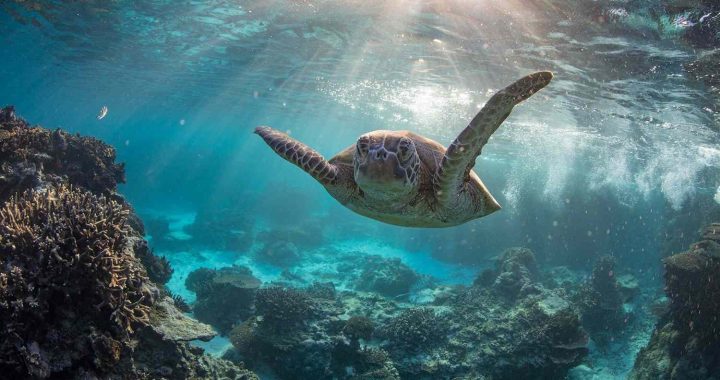
- Don’t touch coral or wildlife. It’s tempting to pick up shells or get close to sea turtles, but this can harm the ecosystem and is often illegal.
Support local businesses—buy coffee, crafts, and food from Hawaiian-owned shops to help the community thrive.
How To Get The Most Out Of Your Hawaii Trip
- Try local foods like poke (marinated raw fish), shave ice, and malasadas (Portuguese donuts).
- Go beyond the resorts—explore small towns, farmers’ markets, and cultural events.
- If you’re interested in Hawaiian history, visit the Bishop Museum in Honolulu or the Pu’uhonua o Honaunau National Historical Park on the Big Island.
Traveling in Hawaii isn’t just about the beach. The best memories often come from meeting local people, trying new activities, and respecting the islands’ traditions.

Credit: www.indianeagle.com
Frequently Asked Questions
What Is The Best Time To Visit Hawaii?
The best time depends on your priorities. Hawaii is warm all year, but April, May, September, and October offer good weather and fewer crowds. Winter (December to March) is busier and more expensive, but it’s also surf season.
How Many Days Do You Need In Hawaii?
For a single island, 5 to 7 days allows you to see the highlights and relax. If you want to visit two islands, plan for at least 10 days.
Is Island Hopping Easy In Hawaii?
Yes, but it takes time. Inter-island flights are short (30–50 minutes), but you’ll need to allow time for airport travel and check-in. Ferries run between Maui and Lanai, but not between all islands.
Can You Visit An Active Volcano?
On the Big Island, you can visit Hawaii Volcanoes National Park to see craters, lava tubes, and sometimes active lava flows. Always check safety updates before you go.
Where Can I Learn More About Hawaii’s Culture?
The Bishop Museum in Honolulu is a great place to start. You can also join local tours, attend a luau, or visit cultural sites. For more information, see the Hawaii Tourism Authority.
Hawaii is a world of adventure, beauty, and culture—no matter which island you choose, you’ll find something unforgettable. Take your time, respect the land, and let the Aloha Spirit guide your journey.